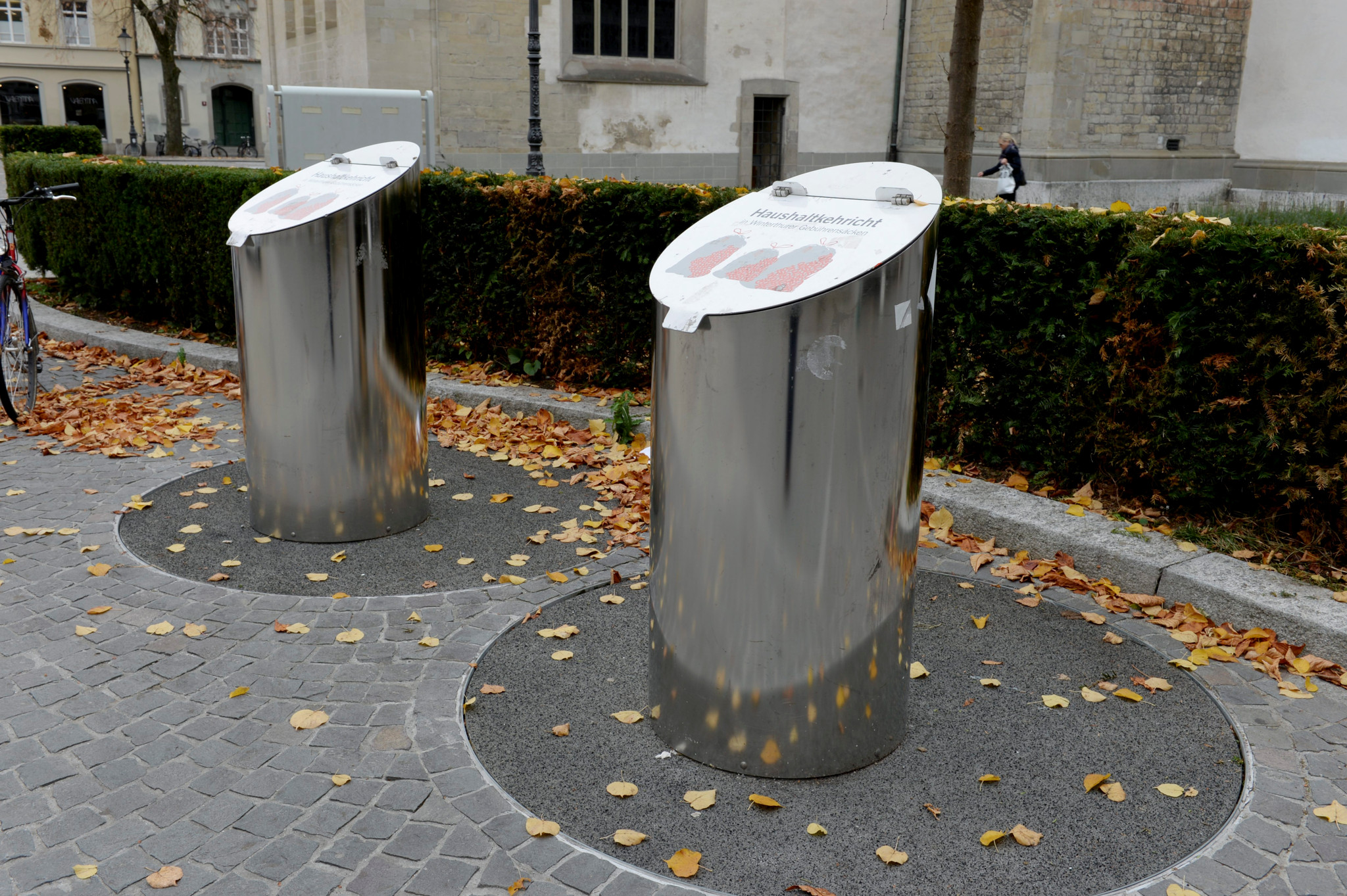
Residents of the Bachletten district in Basel are reporting overflowing underground waste containers, leading to trash accumulation on public sidewalks. Hansjörg Pfeiffer, a local resident, reported that the containers were full to capacity as of last Sunday, creating an unsanitary environment for those living in the neighborhood.
The situation in Bachletten centers on the “Unterflurcontainer” system, where waste bins are buried beneath the street level to save space and reduce odors. However, when these units reach capacity, waste is often left on the pavement, attracting pests and obstructing pedestrian paths. This issue reflects a broader challenge in urban waste management within Basel’s densely populated quarters.
According to the City of Basel official portal, the municipality manages waste collection through a combination of centralized containers and scheduled pickups. Residents in areas like Bachletten rely heavily on these underground systems to maintain cleanliness in narrow residential streets.
Why are the Bachletten waste containers overflowing?
The overflow is primarily attributed to a mismatch between the volume of waste generated by the community and the frequency of emptying cycles. Residents, including Pfeiffer, have noted that the containers cannot keep pace with the amount of refuse being deposited, particularly during weekends when household waste disposal peaks.
Underground containers are designed to maximize space, but they are susceptible to “blockage” if oversized items are forced into the opening, which can prevent the remaining space from being utilized efficiently. In Basel, the waste management services specify that only approved household waste should be placed in these units to avoid such malfunctions.
Who is affected by the waste accumulation?
The primary stakeholders affected are the residents of the Bachletten-Quartier, who face aesthetic degradation and potential health risks from decomposing waste. Pedestrians and those with mobility aids are also impacted as trash bags frequently spill over onto the sidewalks, narrowing the available walking space.

The accumulation of waste on the street often leads to “secondary dumping,” where other residents, seeing a pile of trash, feel emboldened to leave their own bags beside the full container. This creates a compounding effect that requires more intensive cleanup efforts from city sanitation crews than a standard scheduled emptying.
How does Basel manage underground waste systems?
Basel utilizes a strategic network of underground containers to minimize the visual impact of trash collection. These systems are monitored and emptied by specialized vehicles that lift the internal bin from the ground. The efficiency of this system depends on accurate capacity forecasting and timely reporting of full containers by the public.
The city encourages residents to report full or damaged containers through official municipal channels. According to Basel’s urban maintenance guidelines, the goal is to maintain a high standard of hygiene and “Stadtbild” (city image) by ensuring that waste is contained and removed before it reaches the surface.
What happens next for the Bachletten neighborhood?
The immediate requirement is for the municipal sanitation department to perform an extraordinary emptying of the affected containers in the Bachletten area. Long-term solutions may include increasing the frequency of pickups or installing additional containers to meet the actual demand of the neighborhood’s population.

Local residents are expected to continue monitoring the sites and reporting overflows to ensure the city responds to the capacity issues. The city of Basel typically addresses these reports based on the severity of the overflow and the potential for public health hazards.
For residents seeking to report waste issues or check the schedule for bulky waste collection, the official Basel city website provides the necessary forms and contact details for the sanitation department.
Updates on the cleanup of the Bachletten district will depend on the next scheduled maintenance cycle and the response of the municipal cleaning services. Please share your experiences with local waste management in the comments below.