Beyond Bricks and Mortar: How japan is Redefining Geopolitical Influence Through Cultural Heritage
For decades, geopolitical competition has been largely understood through the lens of military strength, economic dominance, and control of vital resources. But a quiet revolution is underway. Japan is demonstrating a novel approach to influence, one that extends beyond conventional power dynamics and delves into the realm of cultural heritage. This strategy isn’t about building roads or offering loans; it’s about shaping narratives and securing a unique form of leverage.
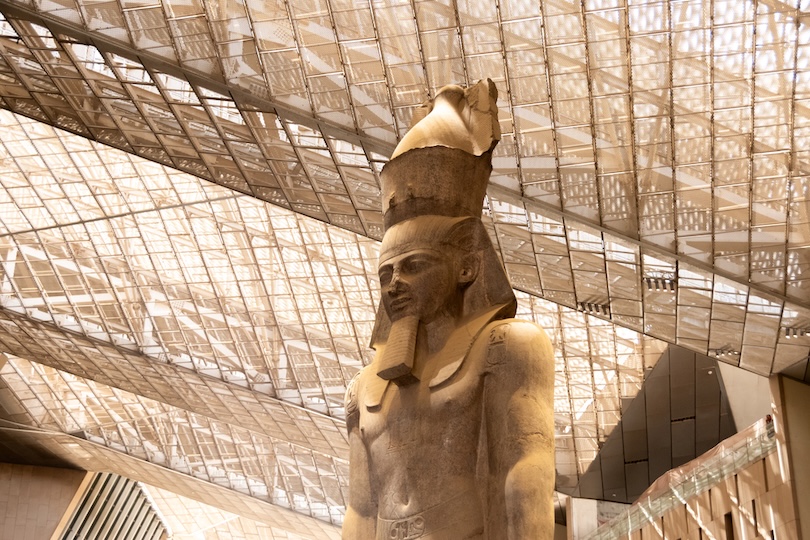
This shift is powerfully illustrated by Japan’s significant role in the Grand Egyptian Museum (GEM).The project isn’t simply about preserving ancient artifacts. It’s a strategic move with far-reaching implications for both Egypt and Japan, built on a foundation of trust, institutional alignment, and narrative credibility.
A Lifeline for Egypt, A Lesson for the Indo-Pacific
Egypt, once a dominant force in the Middle East, has faced significant challenges in recent years. Years of political instability and a dramatic decline in tourism have taken a heavy toll on the nation’s economy.
The GEM’s opening offers a dual benefit: economic revitalization and a restoration of national pride. It addresses an immediate crisis, promising to reignite a tourism sector crippled by uncertainty. But the strategic implications extend far beyond Egypt’s borders.
For policymakers across the Indo-Pacific – and indeed,the world – the GEM serves as a crucial lesson. Competition for influence is no longer limited to maritime routes, supply chains, or financial aid. It’s increasingly contested through the stewardship of collective memory.
Think about it: how a nation understands its past profoundly shapes its vision for the future. Countries that actively participate in curating that understanding gain influence that transcends traditional diplomacy. This influence is resilient, persisting through political changes and proving difficult to challenge because it’s perceived as cultural, not political.
A New Definition of Infrastructure
Japan’s involvement in both Egypt and Nepal highlights a fundamental shift in what “infrastructure” truly means in the 21st century.We’re moving beyond physical structures to encompass the institutions that preserve identity and heritage.
By investing in these institutions, Japan is building influence that endures far longer than any loan agreement or infrastructure project. The GEM isn’t just a milestone for Egypt’s cultural sector; it’s a powerful statement of Japan’s expanding reach - extending into museums, heritage sites, and the symbolic spaces where national identity is constantly being redefined.
This isn’t a reactive strategy driven by external pressures, as some analysts once suggested. Instead, it’s a intentional strategic choice rooted in a long-term vision. As scholar Kent Calder noted, Japan’s foreign policy isn’t dictated by external forces. It’s a proactive approach, carefully considered and strategically implemented.
Key Takeaways: The New Geography of Power
Here’s what you need to understand about this evolving landscape:
* Cultural Heritage as Leverage: Investing in the preservation and presentation of cultural heritage is emerging as a potent tool for geopolitical influence.
* Beyond Traditional Diplomacy: This approach creates a form of influence that operates below the threshold of traditional diplomatic maneuvering.
* Long-Term Impact: Influence built on shared cultural understanding is more resilient to political shifts and regime changes.
* A New Definition of Infrastructure: “Infrastructure” now encompasses the institutions that safeguard identity and heritage, not just physical structures.
Japan’s strategy represents a new geography of geo-economic power. It’s a subtle yet profound shift, demonstrating that influence in the 21st century isn’t just about what you build, but about the stories you help tell.
Further Reading:
* Political Instability in Egypt – CFR
* [The Lonely Pyramids of Giza: Egyptian Tourism’s decline – Al Jazeera](https://www