
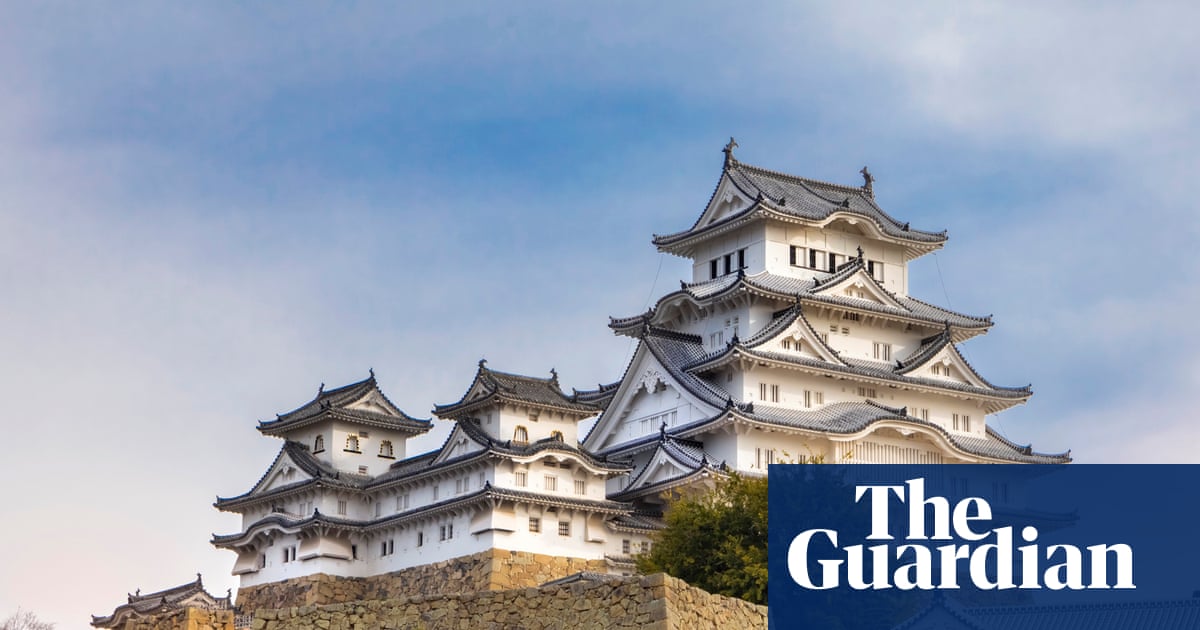
Japan is increasingly turning to dual-pricing models at popular tourist destinations to manage the logistical challenges of overtourism while balancing local revenue needs. By charging international visitors higher entry fees than local residents, municipalities aim to preserve infrastructure and cultural sites. Himeji Castle, a World Heritage site, recently implemented this strategy.
As of 1 March, Himeji Castle increased its admission fee for non-residents to 2,500 yen ($15.50), while maintaining the ticket price for those who live in Himeji city at 1,000, yen ($6.20). The move follows a period of pressure on the 17th-century fortress, which attracts more than one and a half million visitors a year. This adjustment reflects a broader trend in Japan, where officials are exploring ways to mitigate the impact of tourism.
The Rationale Behind Tiered Pricing
The primary driver for these price adjustments is the financial burden of site maintenance and crowd control. Many Japanese heritage sites operate on thin margins, and the influx of international travelers necessitates increased staffing, enhanced security, and more frequent restoration efforts to protect wooden structures from structural degradation. Local governments argue that tiered pricing ensures that the costs of managing high-traffic sites are not borne entirely by local taxpayers, who may not utilize the facilities as frequently as international tourists.

In addition to Himeji, other regions are adopting similar measures to address congestion. These policies are designed to serve as both a revenue stream and a deterrent to excessive foot traffic, effectively regulating the flow of visitors at sensitive ecological and historical locations.
Economic Impact and Visitor Sentiment
The implementation of two-tier pricing has triggered a national conversation regarding the balance between hospitality and sustainability. Proponents, including local business owners and municipal planners, suggest that international tourists are generally willing to pay a premium for access to world-class historical sites. They argue that the revenue generated can be reinvested into better visitor experiences, such as improved signage, multilingual digital guides, and the preservation of the surrounding environments.
However, the strategy is not without its critics. Some travel industry analysts point out that discriminatory pricing—or “tourist taxes”—could potentially influence the destination choices of budget-conscious travelers. Concerns have been raised by hospitality associations that such measures might create a perception of Japan becoming less accessible, though there is currently no verified data suggesting that minor fee increases at individual landmarks have significantly dampened overall national tourism demand.
What Happens Next for Japan’s Tourism Infrastructure
The success of the Himeji Castle model will likely influence how other municipalities manage their own landmark sites. As the Japanese government works toward its goal of increasing overseas visitor numbers, the pressure on urban infrastructure and rural transport links is expected to mount. Future policy discussions are anticipated to center on whether a standardized national framework for tourist fees is necessary, or if individual municipalities should retain the autonomy to set prices based on their specific capacity constraints and maintenance requirements.
Official updates regarding future fee structures at major heritage sites are typically published via the websites of local municipal governments. Travelers are encouraged to check official visitor portals before planning their itineraries to ensure they are aware of current admission requirements and any potential reservation systems that may be in effect to limit daily visitor numbers.
The debate over how to manage the nation’s popularity while ensuring the preservation of its cultural identity remains a central focus of Japan’s economic policy. We welcome your thoughts on whether tiered pricing is an effective way to balance tourism growth with local sustainability. Please share your perspectives in the comments section below.