
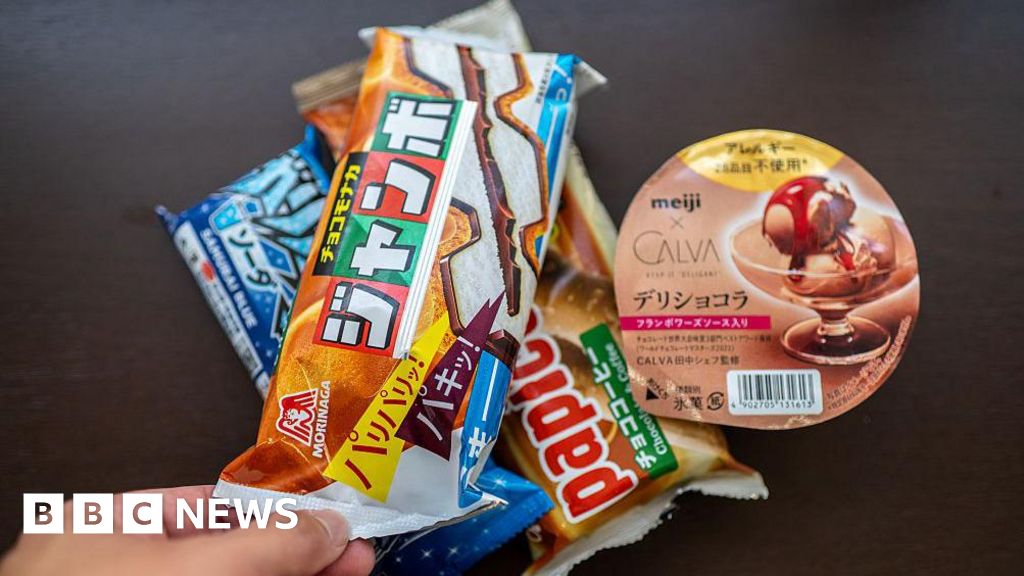
Japanese antitrust regulators have launched an investigation into major ice cream manufacturers over allegations of illegal price-fixing, a move that comes as the country experiences record-breaking summer temperatures and rising consumer costs. The Japan Fair Trade Commission (JFTC) conducted on-site inspections at several industry-leading firms, suspecting that these companies coordinated price increases to maintain profit margins amid fluctuating raw material costs, according to reporting by Nikkei Asia.
This investigation into alleged cartel pricing of ice cream follows a period of heightened scrutiny by the JFTC regarding consumer goods. As the Japanese government monitors persistent inflationary pressures, antitrust officials are increasingly focused on sectors where retail prices have risen sharply. The inspections center on whether manufacturers engaged in prohibited information exchanges to artificially inflate the wholesale prices of frozen confections, a practice that would violate the Antimonopoly Act of Japan.
Regulatory Scrutiny and Market Impact
The JFTC is currently analyzing internal documents and communication logs seized during the surprise raids. While the commission has not publicly disclosed the names of all targeted companies, the probe marks a significant escalation in regulatory oversight within the food and beverage industry. According to the Japan Fair Trade Commission, suspected cartel activity is a violation of the law intended to protect fair competition and prevent the exploitation of consumers. If the commission finds evidence of a formal price-fixing agreement, the involved firms could face substantial administrative surcharges and potential criminal referrals.
The timing of the investigation is particularly notable given the extreme heatwaves affecting the Japanese archipelago. With record-high temperatures driving a surge in demand for cold refreshments, the retail price of ice cream has become a sensitive issue for households already grappling with the rising cost of living. Data from the Statistics Bureau of Japan indicates that food inflation remains a primary driver of the nation’s overall consumer price index, prompting the government to take a more aggressive stance against potential corporate misconduct.
Understanding the Legal Framework
Under Japanese law, companies are strictly prohibited from forming cartels that limit competition. This includes agreements to fix prices, restrict production, or allocate market share. The JFTC operates under the Anti-Monopoly Act, which empowers it to conduct unannounced inspections and impose penalties on entities found to be in breach. In recent years, the commission has shifted toward a more proactive enforcement strategy, targeting supply chains that are deemed essential to the domestic economy.
When authorities suspect a cartel, the legal process typically begins with evidence gathering through raids, followed by a formal hearing process. Companies are given the opportunity to present their case, but the burden of proof rests on the regulators to demonstrate that a collusive agreement existed. Historical precedents suggest that if a violation is confirmed, companies may seek leniency by self-reporting their involvement in the cartel before the JFTC completes its investigation, a mechanism codified in the commission’s leniency program guidelines.
What Happens Next for Consumers and Industry
For the average consumer, the immediate impact of the investigation remains limited. While the JFTC probe may lead to future price stability, the current retail landscape continues to be shaped by global commodity prices, including the costs of dairy, sugar, and logistics. Market analysts suggest that the investigation serves as a warning to other consumer goods sectors that the government is monitoring price adjustments closely during periods of economic volatility.

The next phase of the investigation will involve an extensive review of the evidence collected by JFTC investigators. There is no set timeline for the conclusion of this process, as complex antitrust cases often span several months or even years. The commission is expected to provide updates on its findings through official press releases as the investigation progresses. Consumers and stakeholders can monitor the JFTC official website for future announcements regarding the outcome of these proceedings.
As the situation develops, industry experts will be watching to see how these major ice cream manufacturers respond to the allegations. The outcome of this probe will likely set a tone for future antitrust enforcement in Japan, reinforcing the government’s commitment to curbing anti-competitive behavior in the food sector. We encourage our readers to follow this story for further developments as the investigation continues.