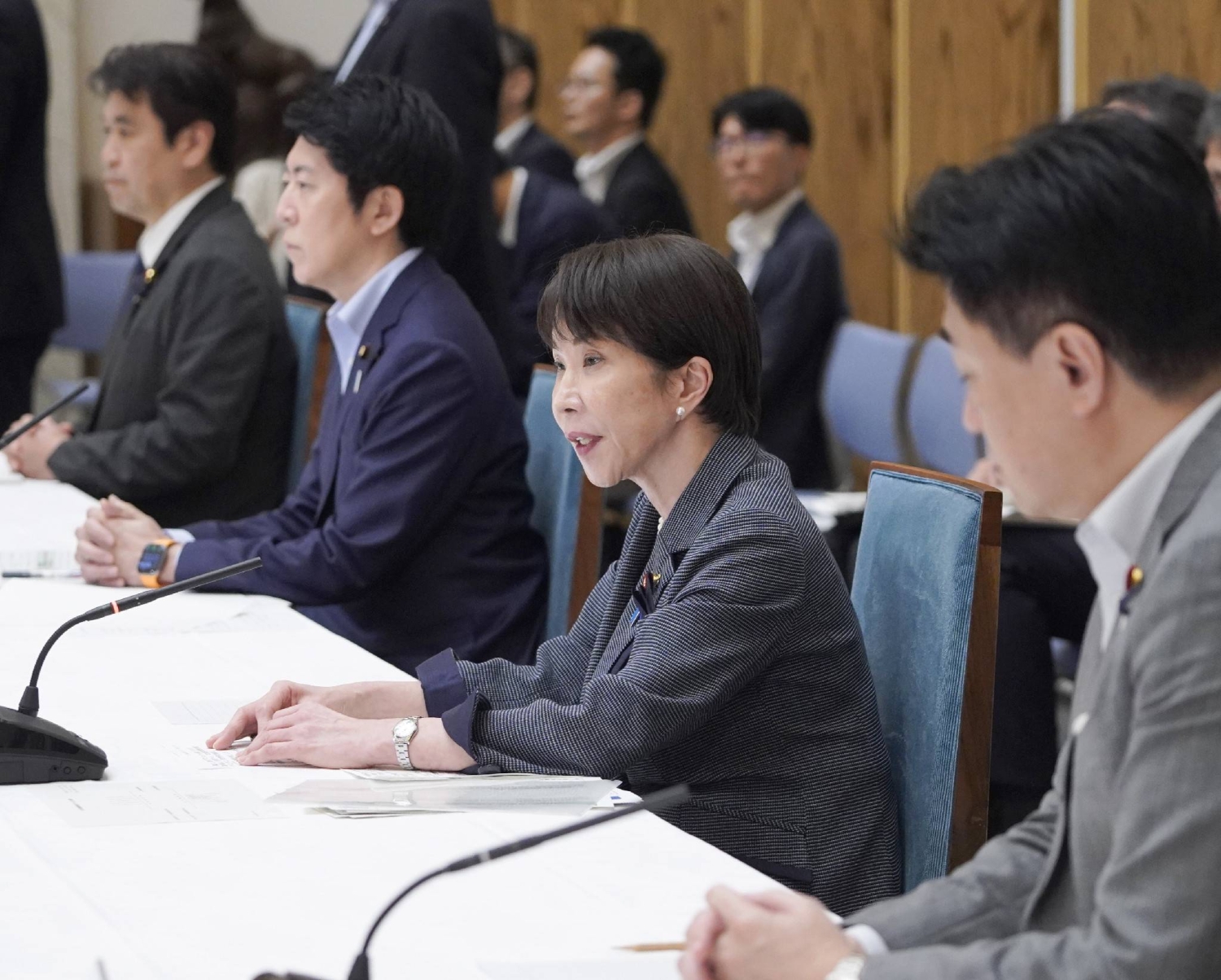
Japan has set its first official numerical target to rebuild two to five aging nuclear reactors by the 2040s and up to 14 by the 2050s. Prime Minister Sanae Takaichi’s administration aims to secure stable electricity supplies and cut fossil fuel imports amid rising demand from artificial intelligence data centers.
Japan is formally shifting its energy policy back toward atomic power, adopting a concrete reconstruction roadmap at a Cabinet meeting at the prime minister’s office. The plan directly addresses a projected power supply crunch driven by the mandatory decommissioning of older nuclear infrastructure that has reached its 60-year operational limit.
Numerical Targets for Reactor Replacements Through the 2050s
The Ministry of Economy, Trade and Industry laid out the replacement schedule during a nuclear policy subcommittee meeting presented in June. Under the blueprint, authorities will target two to five reactor reconstructions during the 2040s. That initial push will scale up significantly in the following decade, with plans to rebuild an additional nine units to reach a total of 11 to 14 replacement reactors by the 2050s.
The target of 14 reactors matches the scale of the country’s 2010 Third Strategic Energy Plan. That earlier framework was shelved following the March 2011 triple meltdown at Tokyo Electric Power Company’s Fukushima Daiichi nuclear plant. The new policy marks the first time Tokyo has established official numerical reconstruction targets since that disaster reshaped public safety standards.
Surging Power Demand and the Push for Energy Independence
Officials point to sweeping environmental and economic changes that necessitate a heavier reliance on nuclear generation. Subcommittee materials highlighted an expected increase in electricity demand alongside the growing importance of energy security. New industrial facilities, semiconductor plants, and power-hungry artificial intelligence data centers are accelerating consumption across the island nation.
Prime Minister Takaichi has positioned reactor revivals as essential for curbing costly imports of coal, gas, and oil. Those fossil fuels currently account for 60% to 70% of Japan’s power generation. Under the basic energy plan adopted in February 2025, the government aims to lift nuclear power’s share in the national electricity mix from less than 10% to approximately 20% by fiscal 2040.
Workforce Shortages, Surging Costs, and Regulatory Shifts
Reviving the nuclear sector comes with steep financial and operational hurdles. Building a single modern reactor can cost more than 1 trillion yen ($6 billion), creating severe financial risks for utility operators. To ease these burdens, the subcommittee proposals emphasize the need to improve the business environment through government financial support, fiscal loans, and cost-recovery rate structures.

At the same time, industry growth collides with a tight labor market. In response, Takaichi’s administration intends to promote dedicated human resource training programs alongside the physical rebuilds.
Regulatory frameworks are evolving in parallel with construction goals. A rule change that took effect in June 2025 allows existing commercial reactors to operate beyond 60 years by excluding mandatory inspection shutdown periods from the calculation. Out of a total potential fleet of 33 operable units, Japan currently has 15 reactors actively running, providing a combined capacity of 14.6 GW as the country works to bridge the gap between aging infrastructure and future replacements.
Related reading