As the geopolitical landscape of the Indo-Pacific undergoes a profound transformation, all eyes are turning toward Tokyo. The upcoming release of Japan’s annual Defense White Paper is expected to serve as more than just a routine administrative update; it is poised to be a stark declaration of Japan’s evolving security doctrine in the face of a rapidly modernizing China.
Recent discourse surrounding the document suggests a sharpening of rhetoric regarding Beijing’s “comprehensive national power”—a strategic concept that integrates military, economic and technological capabilities to project influence. While Tokyo views this holistic approach as a fundamental challenge to regional stability, critics and Beijing-aligned commentators have begun to characterize Japan’s assessment as a “fabrication” of threats designed to justify unprecedented increases in defense spending.
For the international community, the contents of this white paper will provide a critical roadmap for Japan’s long-term security posture. It will signal how Tokyo intends to navigate the increasingly volatile waters of the East China Sea, the Taiwan Strait, and the broader competition for hegemony in the Indo-Pacific. As we await the official publication, the tension between Japan’s perceived necessity for defense and China’s accusations of “militarism” has reached a fever pitch.
Decoding the Strategy: Japan’s Assessment of “Comprehensive National Power”
At the heart of the growing friction is the concept of “comprehensive national power” (CNP). In the context of Chinese strategic thought, CNP is not merely about the size of an army; it is the synergistic application of military might, economic leverage, technological innovation, and diplomatic influence to achieve national objectives. For Japanese analysts, In other words that a threat to Japan’s sovereignty might not arrive in the form of a naval blockade alone, but through economic coercion, cyber warfare, or the dominance of critical supply chains.
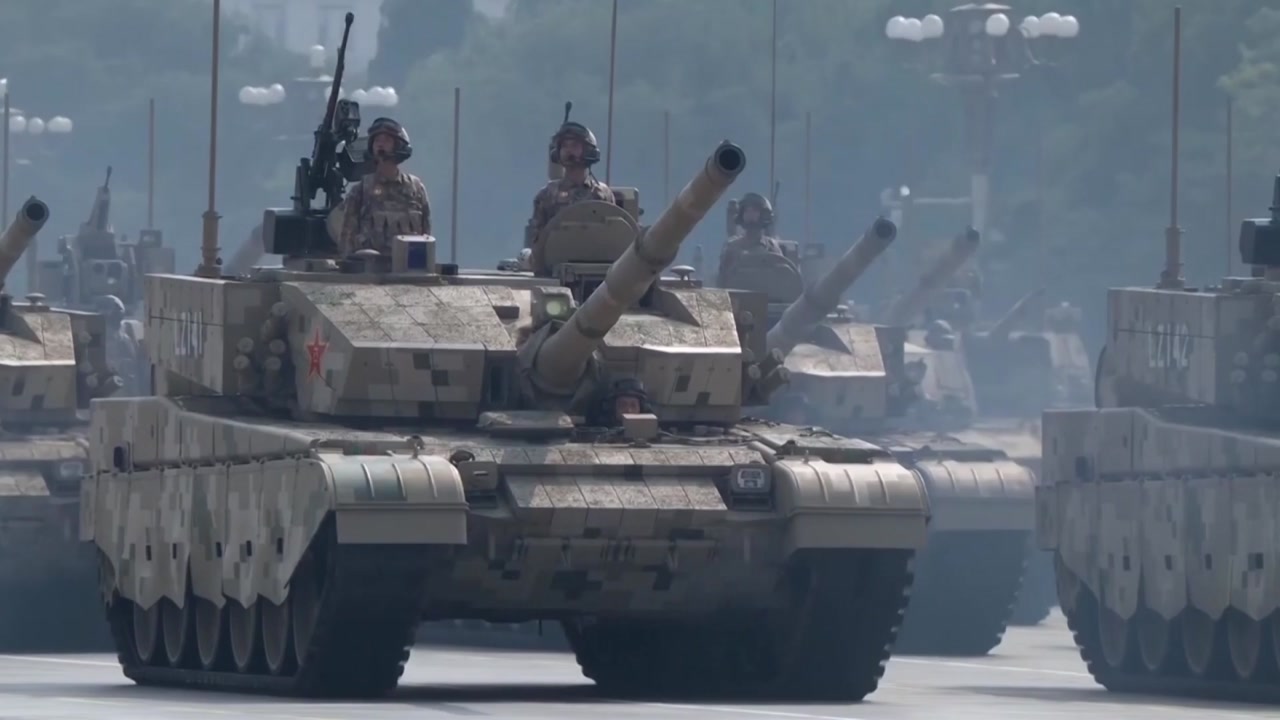
The forthcoming Defense White Paper is expected to detail how China’s military modernization is inextricably linked to these other pillars of power. According to recent reports on regional security trends, the integration of civilian and military technologies—often referred to as military-civil fusion—is a primary concern for Tokyo. This integration allows Beijing to leverage its massive industrial base to accelerate advancements in artificial intelligence, hypersonic missiles, and maritime surveillance.
By framing China’s activities through the lens of comprehensive power, Japan is signaling a shift in its defensive philosophy. It is no longer enough to monitor troop movements; Tokyo must now account for a multidimensional competition that touches every aspect of national security. This shift is a direct response to what the Japanese Ministry of Defense has identified as an increasingly complex and unpredictable security environment in East Asia.
The “Fabrication” Argument: A Clash of Narratives
The accusation that Japan is “fabricating” or exaggerating China’s threat level is a recurring theme in Beijing’s diplomatic responses. From the perspective of the Chinese Ministry of Foreign Affairs, Japan’s defense buildup—which includes the acquisition of “counterstrike capabilities” and a significant increase in its defense budget—is a provocative move that ignores China’s legitimate security concerns.
Critics of Japan’s policy argue that by portraying China as an existential threat, Tokyo is creating a self-fulfilling prophecy. They suggest that this narrative serves to:
- Justify Defense Spending: Japan has committed to increasing its defense budget to approximately 2% of its GDP by 2027, a massive leap from previous decades.
- Strengthen the US-Japan Alliance: A heightened threat perception facilitates closer military integration with Washington, effectively making Japan a “frontline state” in US-China competition.
- Shift Public Opinion: After decades of pacifism, the Japanese government is working to reshape domestic sentiment to accept a more active military role.
However, the Japanese government maintains that its assessments are grounded in empirical data. The increasing frequency of Chinese maritime incursions near the Senkaku Islands and the growing presence of People’s Liberation Army (PLA) aircraft near Japanese airspace are cited as undeniable evidence of a changing security reality. For Tokyo, these are not fabrications but documented operational shifts that necessitate a robust response.
Maritime Volatility and the First Island Chain
One of the most critical sections of the upcoming white paper will likely focus on maritime security. The East China Sea has become a primary theater of competition, with tensions centered on disputed territories and the freedom of navigation. Japan’s defense strategy is heavily focused on the “First Island Chain”—a string of islands stretching from Japan through Taiwan to the Philippines—which acts as a strategic barrier to China’s access to the deep waters of the Pacific.
The Japanese Ministry of Defense has expressed increasing concern over the PLA Navy’s ability to operate more freely within this chain. The deployment of advanced submarines, anti-ship ballistic missiles, and carrier strike groups by China has fundamentally altered the tactical calculus for the Japan Maritime Self-Defense Force (JMSDF).
the stability of the Taiwan Strait remains a top priority for Tokyo. Any conflict in the Taiwan Strait would have immediate and devastating consequences for Japan, both in terms of physical security and the disruption of vital sea lanes that carry the majority of Japan’s energy and food imports. The white paper is expected to emphasize the “indivisibility of security” between Japan and Taiwan, reinforcing the idea that a contingency in the Strait is a contingency for Japan.
The Economic and Technological Dimension of Security
As part of the “comprehensive” nature of modern conflict, the white paper will likely move beyond traditional kinetic warfare to address economic and technological security. In an era of “weaponized interdependence,” the ability to control semiconductors, rare earth minerals, and telecommunications infrastructure is as vital as the number of fighter jets in the air.

Japan has been a leader in implementing “economic security” measures, aimed at reducing dependencies on potentially hostile actors and protecting sensitive technologies from theft. This includes:
- Supply Chain Resilience: Diversifying the sourcing of critical materials to prevent economic coercion.
- Export Controls: Restricting the transfer of advanced technologies, such as high-end semiconductor manufacturing equipment, to nations that might use them for military modernization.
- Cyber Defense: Strengthening the protection of critical infrastructure—including power grids, financial systems, and telecommunications—against state-sponsored cyberattacks.
This multidimensional approach is what makes the “comprehensive national power” concept so challenging for traditional defense frameworks. Japan’s strategy must now bridge the gap between the Ministry of Defense and the Ministry of Economy, Trade and Industry (METI), creating a unified front against non-traditional threats.
Key Takeaways: The Shifting Indo-Pacific Order
| Dimension | Traditional Approach | Emerging Posture |
|---|---|---|
| Defense Budget | Capped at 1% of GDP | Targeting 2% of GDP by 2027 |
| Security Focus | Reactive/Pacifist | Proactive/Counterstrike Capability |
| Threat Perception | Limited/Localized | Comprehensive/Multidimensional |
| Alliances | US-Centric/Passive | Trilateral (US-Japan-Australia/Philippines) |
Looking Ahead: The Path to 2025 and Beyond
The release of the Defense White Paper will be a litmus test for regional stability. If Japan’s assessments lead to a rapid and uncoordinated military buildup, it could trigger a security dilemma, where each side’s defensive measures are perceived as offensive provocations by the other, leading to an escalatory spiral.
Conversely, if the document is seen as a realistic and transparent assessment of a changing world, it may serve as a catalyst for more structured regional dialogue and the establishment of “guardrails” to prevent miscalculation. The international community will be watching closely to see how Beijing responds—whether through further diplomatic pressure or increased military posturing.
The next major checkpoint for regional observers will be the official publication of the white paper next month, followed by the scheduled high-level security dialogues between Japan and its regional partners. These events will provide the first concrete indications of how Tokyo intends to translate its strategic vision into operational reality.
What are your thoughts on Japan’s shifting defense policy? Do you believe these assessments are necessary precautions or strategic exaggerations? Let us know in the comments below and share this article to join the conversation.
Related reading
- Understanding the Rapture: Author Todd Hampson’s Guide to the Biblical Prophecy
- Catastrophic Wildfires Hit Spain and France: Europe’s Crisis and the Risk to Southern Italy
- CXMT Becomes China’s Most Valuable Listed Company After 466% Debut Surge (archyworldys.com)
- Wild Squirrel Leaps Out of Car, Causes Chaos in Japan (world-today-news.com)