
Rome’s cultural scene is set to be enriched this month with a rare literary event that bridges Japan’s martial traditions and Italy’s deep-rooted storytelling heritage. On May 15, 2026, the Japanese Cultural Institute in Rome, one of three global hubs under the Japan Foundation, will host the presentation of Yūzuru: Il Volo del Samurai—a book that explores the intersection of samurai philosophy and modern resilience through the lens of Olympic figure skating champion Yūzuru Hanyū. The event, co-sponsored by the Italian Ministry of Foreign Affairs, marks a significant moment in cross-cultural dialogue, bringing together scholars, athletes and enthusiasts to discuss how ancient Japanese values shape contemporary global narratives.
The book’s author, Maria Cristina Gasperini, a cultural historian specializing in East-West intellectual exchange, will lead the discussion alongside Dr. Takashi Morita, director of the Rome institute. Gasperini’s work on Yūzuru: Il Volo del Samurai examines how Hanyū’s Olympic journey—particularly his gold medal-winning performance at the 2018 PyeongChang Winter Games—embodies the bushidō code of honor, discipline, and perseverance. The presentation will likewise feature excerpts from Hanyū’s own reflections on the role of mental fortitude in elite sports, offering a unique perspective on how cultural heritage influences global achievements.
This event is part of a broader initiative by the Japan Foundation to foster Italian-Japanese cultural exchange through literature, film, and performing arts. The Rome institute, established in 1972 as part of the foundation’s global network, has long been a platform for such dialogues, hosting exhibitions, film screenings, and academic symposia. The choice of Yūzuru as the focal point reflects a growing interest in how modern athletes reinterpret traditional values for contemporary audiences—a theme resonating across Europe and Asia.
Why This Book Matters: Bridging Sport, Philosophy, and Global Identity
At its core, Yūzuru: Il Volo del Samurai is more than a biography; We see a meditation on how cultural narratives travel and transform. Gasperini’s research highlights how Hanyū’s story—rooted in Japan’s samurai ethos—has captivated global audiences, particularly in Italy, where figure skating has a storied history. The book’s Italian edition, published by Giunti Editore, underscores the demand for cross-cultural works that explore resilience, leadership, and artistic excellence.

“The samurai ideal of mushin—the state of ‘no-mind’—is not just a philosophical concept,” Gasperini explains in promotional materials. “It is a practical tool for athletes, artists, and leaders who seek to transcend limits.” The presentation will delve into how this concept manifests in Hanyū’s training regimen, his public persona, and his post-competition advocacy for youth sports in Japan. Attendees can expect a blend of academic analysis, personal anecdotes, and interactive Q&A sessions with Gasperini and Morita.
The event also aligns with broader trends in global sports humanities, a field gaining traction in European universities. Institutions like the Luiss Guido Carli in Rome and the University of Bologna have recently integrated courses on the cultural dimensions of Olympic sports, making this presentation timely for both scholars and general audiences.
Event Details: Where to Attend and How to Participate
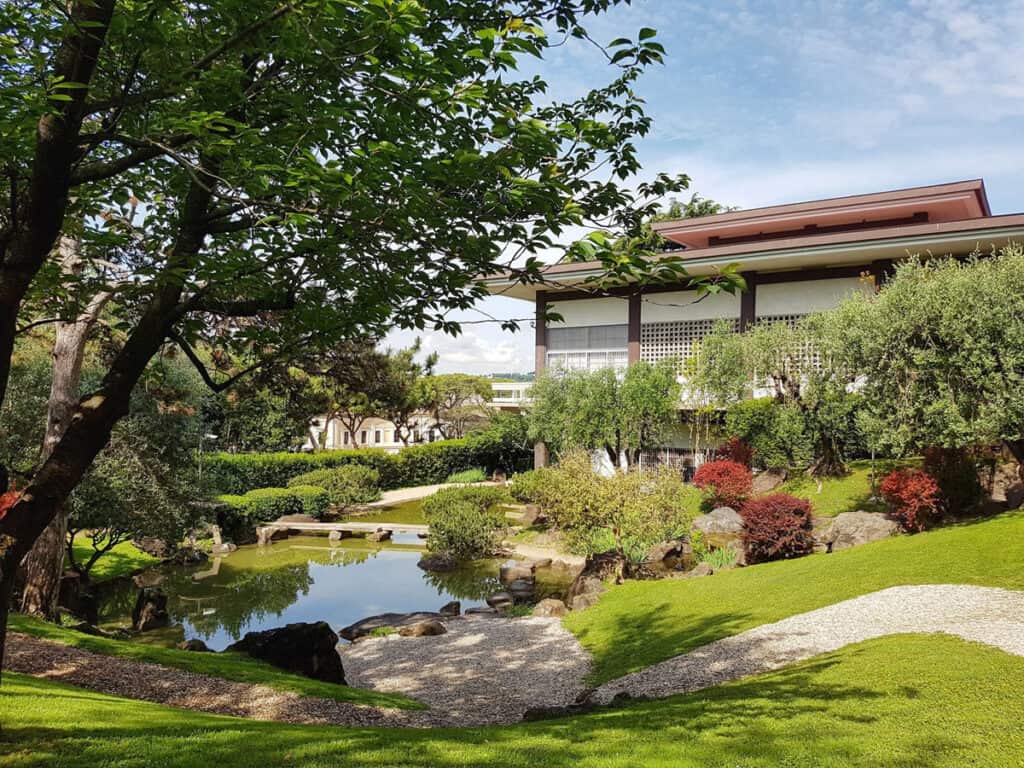
The book presentation will take place at the Japanese Cultural Institute in Rome, located at Via Tomacelli, 141, near the Villa Borghese gardens. The event is free and open to the public, though registration is required due to limited seating. Interested participants can secure their spot via the institute’s official website, which also provides details on accessibility and transportation options.
Date: May 15, 2026 Time: 6:00 PM – 8:00 PM (Rome time) Language: Italian with simultaneous translation into Japanese and English Format: Lecture, Q&A, book signing
For those unable to attend in person, the Japan Foundation will livestream the event on its YouTube channel, with archival footage available afterward. The institute has also confirmed that a limited number of signed copies of Yūzuru: Il Volo del Samurai will be available for purchase during the event.
Beyond the Book: The Broader Impact of Italian-Japanese Cultural Exchange
The presentation of Yūzuru is part of a larger effort by the Japan Foundation to strengthen cultural ties between Italy and Japan. In recent years, the Rome institute has collaborated with Italian universities to offer Japanese language courses, fund research on East Asian aesthetics, and support film festivals showcasing contemporary Japanese cinema. These initiatives reflect a mutual interest in preserving cultural heritage while fostering innovation.
Italy, with its rich history of artistic patronage and diplomatic engagement with Asia, serves as a natural bridge for such exchanges. The Italian Ministry of Foreign Affairs has increasingly emphasized cultural diplomacy as a tool for soft power, and events like this one align with that strategy. “Cultural institutes like the one in Rome are vital for building bridges between nations,” said a spokesperson for the ministry in a recent statement. “They allow us to explore shared values through the lens of creativity and history.”
For Japanese cultural studies scholars, the book’s focus on Hanyū offers a case study in globalization and identity. Hanyū’s career, which spans Japan, the United States, and Europe, challenges traditional notions of cultural purity, instead presenting a hybridized identity that resonates with modern audiences. Gasperini’s work, contributes to ongoing debates in postcolonial studies and sports sociology.
What Happens Next: Upcoming Events and Opportunities
Following the Rome presentation, Yūzuru: Il Volo del Samurai will be featured in a series of discussions across Europe, including stops in Paris and Berlin, where the Japan Foundation maintains similar cultural institutes. The book’s success may also inspire further collaborations between Italian and Japanese institutions, such as joint exhibitions on samurai armor and Renaissance weaponry or panel discussions on the ethics of competition in sports.
For readers eager to explore this theme further, the Japan Foundation’s digital library offers free access to academic papers, documentaries, and primary sources on Japanese cultural history. The institute’s upcoming events calendar lists future opportunities to engage with Japanese culture in Italy, including a summer film festival dedicated to samurai-themed cinema.
Key Takeaways
- Cultural Bridge: The event highlights how literature and sports can serve as vehicles for cross-cultural dialogue between Italy and Japan.
- Philosophical Depth: Yūzuru: Il Volo del Samurai connects ancient bushidō principles to modern athletic achievement, offering lessons in resilience.
- Academic Relevance: The discussion aligns with growing interest in global sports humanities and cultural diplomacy in European universities.
- Accessibility: The presentation is free and livestreamed, ensuring broad participation beyond Rome.
- Future Collaborations: Success may lead to expanded joint projects between Italian and Japanese cultural institutions.
As the presentation approaches, questions have emerged about the broader implications of such cultural exchanges. How do modern athletes reinterpret traditional values? Can literature like Yūzuru inspire new generations to explore their own heritage? We invite readers to share their thoughts in the comments below or on our social media channels. For updates on related events, subscribe to our newsletter or follow the Japan Foundation’s official announcements.
Related reading