
Concerns are growing over the potential impact of escalating tensions between the United States, Israel and Iran on Japan’s agricultural and fisheries sectors, with reports indicating that disruptions to global supply chains could lead to significant price increases for key food commodities. According to analyses circulating in financial and agricultural circles, the conflict’s ripple effects may extend far beyond the Middle East, affecting import-dependent economies like Japan that rely heavily on stable international trade for food security.
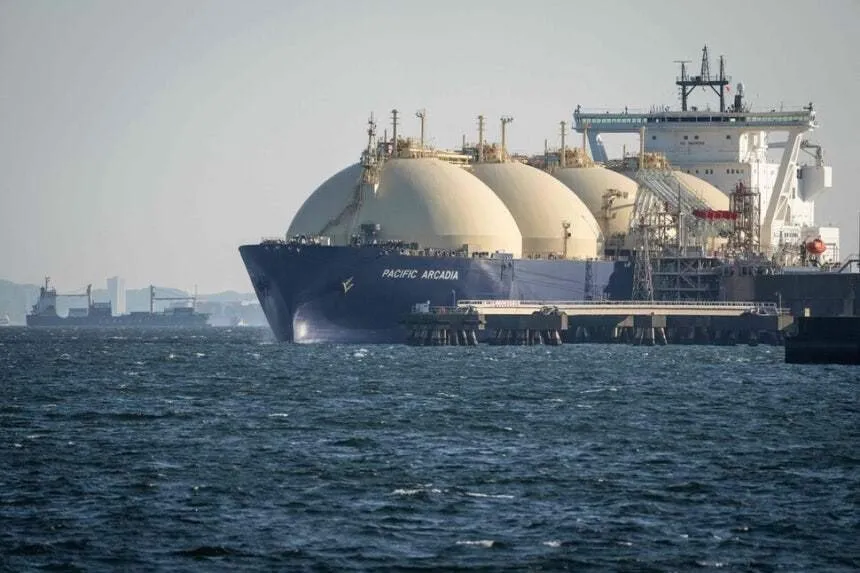
The specific warning originated from a report by Japan’s Nikkei newspaper, which highlighted how prolonged hostilities could destabilize markets for commodities such as grain, fertilizers, and seafood — inputs critical to domestic farming and aquaculture operations. Local producers have begun voicing alarm over rising input costs, with some describing the current cost pressures as unprecedented in recent decades. These developments come amid broader worries about how geopolitical instability might interfere with maritime logistics, particularly through vital chokepoints like the Strait of Hormuz, through which a significant portion of global oil and liquefied natural gas shipments pass.
Even as the Nikkei report served as the initial alert, independent verification through credible international sources confirms that analysts are increasingly scrutinizing the vulnerability of global food systems to regional conflicts. Experts note that Japan, which imports approximately 60% of its food calories according to Ministry of Agriculture, Forestry and Fisheries data, is especially exposed to shocks in overseas production and transportation networks. Any disruption to exports from key suppliers — including the United States, Canada, Australia, and Southeast Asian nations — could quickly translate into higher prices for staples like wheat, soybeans, and animal feed.
Maritime insurance premiums have already begun to rise in response to heightened perceived risks in the Gulf region, a trend that could further increase the cost of imported goods. Shipping industry observers warn that if vessels are forced to take longer detours around Africa to avoid the Strait of Hormuz, transit times and fuel consumption would increase substantially, adding to logistical burdens. Such scenarios have precedent. during past periods of regional tension, similar rerouting led to measurable delays and cost spikes in global trade.
The potential impact on Japan’s fisheries sector is likewise drawing attention. Although Japan maintains one of the world’s largest fishing fleets and has a strong domestic seafood culture, it remains dependent on imported fishmeal and fish oil to support aquaculture operations for species like salmon, eel, and yellowtail. These inputs are often sourced from South American fisheries, particularly in Peru and Chile, where anchovy stocks — a primary raw material for fishmeal — are sensitive to oceanic conditions and global demand fluctuations. A sudden spike in demand or disruption in supply from these regions could strain domestic aquaculture output, which contributes significantly to Japan’s overall seafood supply.
Beyond direct commodity effects, policymakers are monitoring how prolonged conflict might influence energy markets, given Japan’s near-total reliance on imported fossil fuels. Higher energy prices would not only affect household budgets but also increase operational costs for greenhouse farming, refrigeration, and food processing — all energy-intensive components of the modern food supply chain. The Ministry of Economy, Trade and Industry has previously warned that sustained volatility in crude oil prices could undermine Japan’s industrial competitiveness and exacerbate inflationary pressures.
In response to these risks, some agricultural cooperatives and fishing associations have begun advocating for greater strategic stockpiling of essential inputs and diversification of supply sources. Government officials, while refraining from specific commentary on the Iran-related scenario, have reiterated Japan’s commitment to maintaining food security through a combination of domestic production support, international diplomacy, and reserve management. The country maintains emergency reserves of key staples like wheat and rice, designed to buffer against short-term shocks, though officials acknowledge these are not intended to withstand prolonged disruptions.
As of late April 2026, no official escalation has occurred that would trigger immediate supply interruptions, but diplomatic channels remain active in efforts to de-escalate tensions. Analysts at institutions such as the Institute for International Affairs in Tokyo continue to monitor developments closely, emphasizing that while the likelihood of a full-scale regional war remains uncertain, the mere perception of risk can be enough to influence market behavior and investor sentiment.
For readers seeking to understand how distant conflicts can affect everyday life, this situation underscores the deep interdependence of the global economy. Even nations with strong domestic industries, like Japan, are not insulated from geopolitical shocks when their prosperity relies on open and predictable trade routes. The evolving situation serves as a reminder that food security is not merely a matter of local production but also of international stability.
Stay informed about developments in international relations and their potential economic impacts by following updates from trusted sources such as the Ministry of Foreign Affairs of Japan and the United Nations Food and Agriculture Organization. Share your thoughts on how global events influence local markets in the comments below, and facilitate spread awareness by sharing this article with others interested in the intersection of geopolitics and daily life.