
Ishikawa Prefecture, Japan — Japan has released 10 more crested ibises (*Nipponia nippon*) into the wild in Ishikawa Prefecture, marking a significant step in the country’s efforts to restore the critically endangered species to Honshu, the nation’s main island. The release brings the total number of ibises reintroduced to Honshu to 18, according to the Ishikawa Prefecture government and the Ministry of the Environment. The crested ibis, designated as a special natural treasure of Japan, was once extinct in the wild but has been the focus of a decades-long conservation program.
The latest release follows a successful breeding program at the Kyoto University Ibis Ecology Research Group, where scientists have worked to increase the population through captive breeding. The ibises were released into the Notojima Wildlife Conservation Center, a protected area in Ishikawa known for its wetlands and ideal habitat for the species. The center has been instrumental in the reintroduction effort, providing a controlled environment for the birds to adapt before being released.
Crested ibises were once widespread across Japan but faced near-extinction due to habitat loss, hunting, and environmental changes. By the 1980s, only a handful remained in captivity, primarily in China. Japan’s conservation program, launched in the 1990s, has since focused on reintroducing the species to Honshu, where it was once native. The latest release is part of a phased approach, with officials monitoring the birds’ adaptation to the wild before expanding the program further.
Why the Crested Ibis Matters: Japan’s Conservation Success Story
The crested ibis is one of Japan’s most iconic endangered species, symbolizing the country’s commitment to biodiversity conservation. Its reintroduction is not just an ecological achievement but also a cultural one, as the bird holds historical significance in Japanese folklore and art. The success of the program has drawn international attention, with other countries studying Japan’s methods for reintroducing critically endangered species.
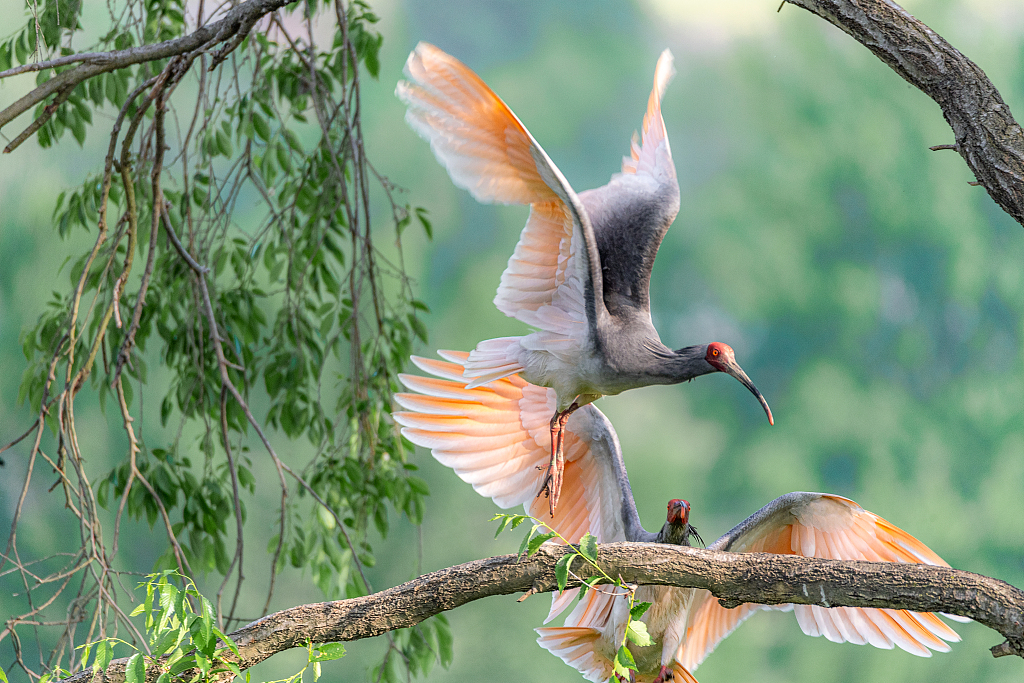
According to the International Union for Conservation of Nature (IUCN), the crested ibis remains critically endangered, with fewer than 2,000 individuals estimated to exist globally. Japan’s efforts have been crucial in preventing the species from disappearing entirely. The latest release in Ishikawa is part of a broader strategy to establish a self-sustaining wild population in Honshu, where the species has not been seen since the 1980s.
Dr. Hiroshi Hasegawa, a researcher with the Kyoto University Ibis Ecology Research Group, stated in a recent interview that the releases are carefully timed to coincide with the birds’ natural migratory patterns. “We monitor the birds closely after release to ensure they adapt well to their new environment,” he said. “The wetlands in Ishikawa provide an ideal habitat, and we are optimistic about their long-term survival.”
How the Reintroduction Program Works: A Step-by-Step Breakdown
The reintroduction of crested ibises to Honshu follows a structured approach, combining scientific research, habitat restoration, and public engagement. Here’s how the process unfolds:
- Captive Breeding: Ibises are bred in controlled facilities, such as the Kyoto University research center, where they are raised by humans until they reach maturity. This ensures they are healthy and accustomed to human presence before release.
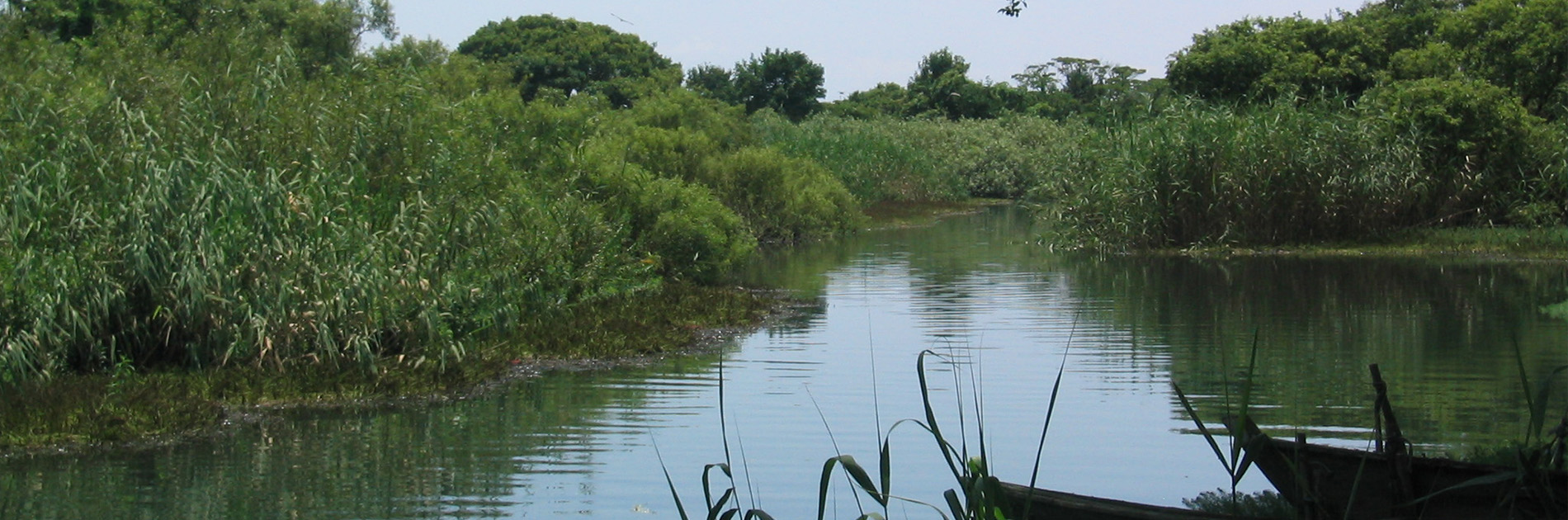
- Habitat Preparation: Release sites, like Notojima, are carefully selected for their suitability. Wetlands are restored or enhanced to provide food, shelter, and nesting opportunities for the ibises.
- Monitoring and Adaptation: After release, the birds are tracked using GPS and radio transmitters. Researchers observe their behavior, feeding patterns, and interactions with other wildlife to assess their adaptation to the wild.
- Public Awareness: Local communities in Ishikawa are involved in the program, with educational initiatives aimed at fostering appreciation for the ibises and reducing human-wildlife conflicts.
To date, the program has achieved a survival rate of over 80% for released ibises, a testament to the careful planning and execution of the conservation strategy. However, challenges remain, including predation by native birds of prey and competition for food resources.
What Happens Next? The Future of Crested Ibis Conservation in Japan
With the latest release, officials are now focusing on expanding the wild population while ensuring the birds can thrive independently. The next phase of the program includes:
- Increased Releases: Plans are underway to release additional ibises in the coming years, with a goal of establishing a stable, self-sustaining population in Honshu.
- Genetic Diversity: Efforts are being made to introduce ibises from other populations, such as those in China, to enhance genetic diversity and improve the species’ resilience.
- Habitat Expansion: Additional release sites are being evaluated in other prefectures, including Yamanashi and Shiga, where suitable wetlands exist.
- Public Funding and Support: The Japanese government has allocated over ¥1 billion ($6.5 million USD) in funding for the program, with additional contributions from private organizations and international conservation groups.
The Ministry of the Environment has set a target of reintroducing at least 50 ibises to Honshu by 2030, a milestone that would mark a significant turning point in the species’ recovery. However, achieving this goal will require continued collaboration between scientists, government agencies, and local communities.
Challenges Ahead: Predation, Climate Change, and Public Perception
Despite the progress, the reintroduction program faces several challenges. One of the most pressing is predation by native birds of prey, such as Eastern buzzards, which have been known to hunt young ibises. Researchers are exploring methods to reduce predation, including habitat modifications and public awareness campaigns to encourage coexistence.
Climate change also poses a threat, as rising temperatures and shifting weather patterns could alter the availability of food sources and nesting habitats. The IPCC’s latest report highlights how such changes can disrupt ecosystems, making long-term conservation efforts more complex. Japan’s program is closely monitoring these risks and adapting strategies accordingly.
Public perception plays a crucial role in the success of the program. While many Japanese citizens support the reintroduction, there are concerns about the birds’ impact on local agriculture, particularly in areas where they feed on crops. Officials are working to mitigate these concerns through education and compensation programs for farmers.
How You Can Help: Supporting Crested Ibis Conservation
Individuals can contribute to the conservation of crested ibises in several ways:
- Donate to Conservation Groups: Organizations like the World Wildlife Fund (WWF) and the BirdLife International support global conservation efforts, including those for the crested ibis.
- Visit Protected Areas: Tourists can visit sites like the Notojima Wildlife Conservation Center in Ishikawa, where they can learn about the ibises and support local conservation initiatives.
- Spread Awareness: Sharing information about the crested ibis and its conservation challenges can help build public support for the program.
- Reduce Habitat Destruction: Supporting sustainable land-use practices and reducing pollution can help preserve the wetlands and forests that the ibises depend on.
The next official update on the crested ibis reintroduction program is expected in June 2025, when the Ministry of the Environment will release its annual progress report. This report will detail survival rates, breeding success, and plans for future releases. Until then, updates will be provided by the Ishikawa Prefecture government and the Kyoto University research team.
For those interested in following the story, the Kyoto University Ibis Ecology Research Group regularly publishes news and research findings. Additionally, the Japanese Ministry of the Environment provides updates on national conservation efforts.
Have you visited a wildlife conservation center in Japan? Share your experiences or questions in the comments below. For more stories on global conservation efforts, subscribe to World Today Journal and stay informed.
Worth a look