Rethinking our Relationship with Smartphones: A Japanese Town’s Bold Experiment
A small Japanese town is sparking a global conversation about our increasingly digital lives. Toyoake, near Nagoya, recently launched an initiative encouraging residents to consciously limit their smartphone use – not through strict rules, but through self-reflection. This approach, while initially met with online skepticism, is revealing surprising insights into our habits and wellbeing.
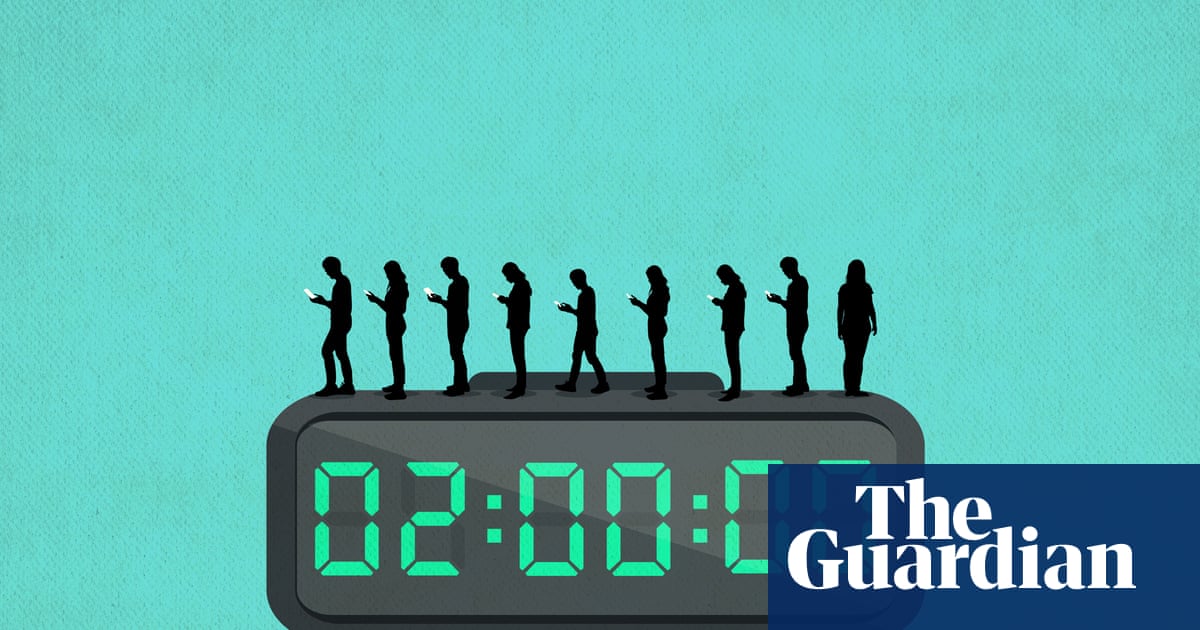
The core idea is simple: encourage residents to consider how thay spend their time on their devices. The mayor’s intention isn’t to enforce a rigid two-hour limit, but to prompt a mindful pause. If you hear two hours, he explained, you’ll naturally evaluate your current usage.
The Growing Concern: Smartphone Usage & Wellbeing
This initiative arrives at a critical moment. recent data from Japan’s Children and Families Agency reveals young people spend an average of over five hours online each weekday. This extensive screen time raises concerns about its impact on mental health,sleep,and overall wellbeing.
Many individuals, like university student Aya (who requested her name be changed), find themselves exceeding these averages. She typically spends eight hours daily on her smartphone. However, even the attempt to limit usage proved beneficial.
Aya successfully reduced her daily screen time by 60% simply by being more aware. She found herself utilizing her device more intentionally – checking essential communications and planning – rather than endlessly scrolling.
The Power of Self-Regulation
What makes the Toyoake initiative especially intriguing is the absence of penalties. This approach, many believe, is its greatest strength. You are empowered to set your own boundaries and adjust them as needed.
It’s an opportunity to move beyond abstract concerns about screen time and engage in concrete self-assessment. You’re forced to examine your daily routines and identify areas for advancement. Aya noted she didn’t miss the ”aimless scrolling” at all.
Instead, she discovered a renewed thankfulness for real-world interactions and her surroundings. She found her days felt more fulfilling and meaningful.
beyond Time Limits: A Focus on Holistic Wellbeing
the mayor of Toyoake emphasizes the broader goals of the initiative. It’s about prioritizing sleep, strengthening family connections, and fostering overall wellbeing. Even if the ordinance encourages just a few people to re-evaluate their habits, he believes it will be a success.
This experiment highlights a growing recognition that our relationship with technology requires conscious management. It’s not about demonizing smartphones, but about finding a healthier balance.
Consider these steps you can take to cultivate a more mindful approach to your own smartphone usage:
* Track your screen time: Most smartphones have built-in features to monitor your usage.
* Set specific time limits for apps: Utilize app timers to curb excessive use of distracting platforms.
* Designate “tech-free” zones and times: Create spaces and periods where devices are put away.
* Prioritize real-world activities: Make time for hobbies, social interactions, and outdoor pursuits.
* Practice mindful scrolling: Before opening an app, ask yourself why you’re doing so.
Ultimately, the Toyoake experiment serves as a valuable reminder: technology should enhance our lives, not consume them. By fostering self-awareness and encouraging intentionality, we can all reclaim control of our time and prioritize what truly matters.
Worth a look