Japan’s New HTV-X Cargo Capsule Successfully Reaches the International Space Station
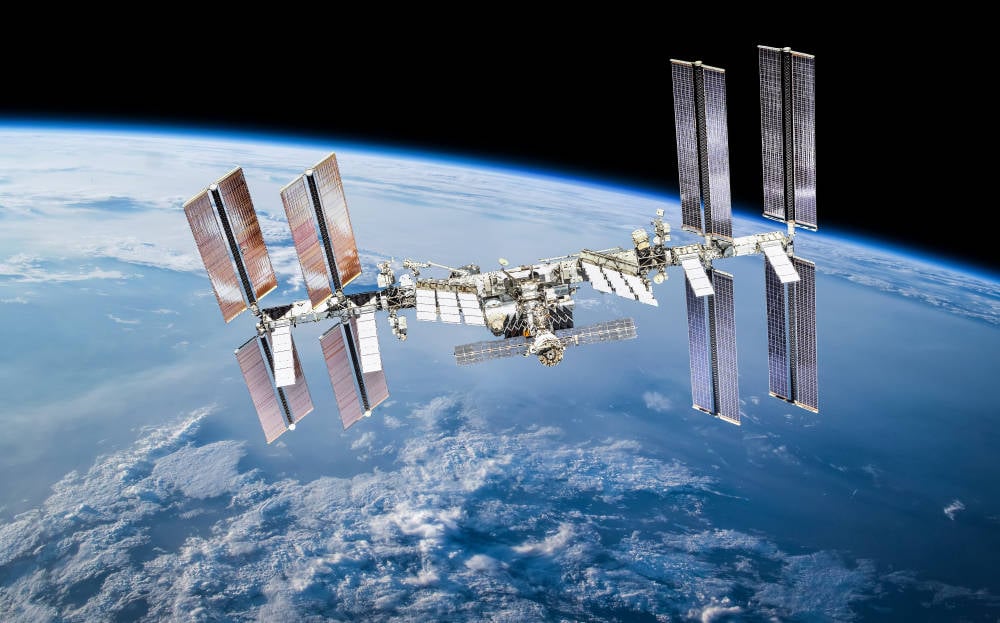
Japan has bolstered its spacefaring capabilities with the accomplished launch and docking of the HTV-X cargo spacecraft to the International Space Station (ISS). Launched last Sunday aboard the domestically-built H3 Launch Vehicle, the HTV-X arrived at the ISS on thursday, expertly captured by the station’s robotic arm and guided to its designated berthing location.
This mission represents a significant step forward for JAXA, Japan’s space agency, and its partnership in ongoing space exploration. You’ll find the HTV-X carries a familiar cargo mix: essential supplies for the ISS astronauts, cutting-edge experimental equipment, and vital maintenance components for the station itself.
Advancing Carbon Dioxide Removal Technology
Among the payloads onboard is the Demonstration System for CO₂ Removal (DRCS). This innovative system is designed to be both smaller and lighter than current carbon dioxide removal technology used on the ISS.JAXA anticipates that successful testing of the DRCS will pave the way for its implementation on the Lunar Gateway. The Lunar Gateway, as you may know, is a planned space station orbiting the moon, a crucial component of the Artemis Programme.
A Cargo Carrier with a Second Life
What truly sets the HTV-X apart is its designed functionality after it departs the ISS. Traditionally, cargo carriers are deorbited and intentionally burned up in Earth’s atmosphere after delivering their supplies. However, JAXA and Mitsubishi Heavy Industries have engineered the HTV-X for continued operation.
It can operate and host equipment for up to 18 months post-ISS departure, offering a unique platform for extended research and technology demonstration. This first mission showcases that capability with a suite of exciting payloads:
* H-SSOD: A mechanism designed for the deployment of very small satellites.
* Mt. FUJI: An experiment utilizing lasers to precisely measure attitude – the orientation of an object in space.
* DELIGHT: A demonstration of a deployable, lightweight planar antenna.
* SDX: A testbed for next-generation solar cell technology.
Overcoming Challenges with the H3 Launch Vehicle
Spaceflight is inherently challenging, and JAXA is understandably pleased with the HTV-X’s successful mission. The agency also likely feels a sense of relief regarding the H3’s performance. While this was the fifth successful flight of the H3, it’s officially designated as the seventh rocket in the series.
Earlier tests of the sixth rocket revealed flaws in a new engine configuration, requiring a return to the drawing board for JAXA’s engineers. The initial launch of the H3 experienced a failure, making this recent success all the more significant. Japan’s previous cargo capsule, the HTV, completed nine successful missions, and the HTV-X is poised to continue that legacy.
This mission underscores Japan’s commitment to space exploration and its growing role in international collaborations.It’s a testament to the dedication and ingenuity of JAXA and its partners,and a promising sign for the future of space travel.