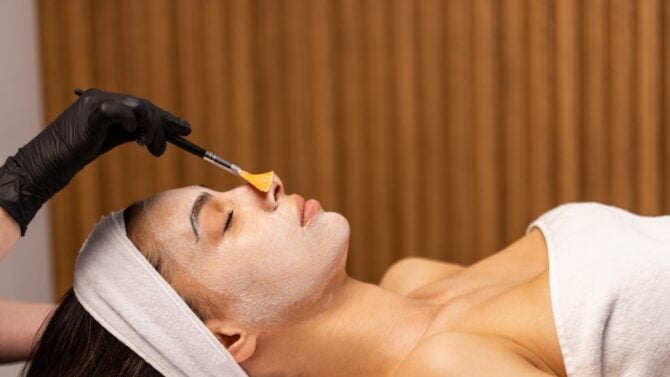
The pursuit of “glass skin”—a term popularized in J-Beauty and K-Beauty circles to describe a complexion that appears translucent, smooth, and intensely hydrated—has driven renewed global interest in traditional Japanese skincare rituals. Central to this trend is the use of rice-based formulations, which have transitioned from centuries-old domestic practices in Japan to viral status on social media platforms like TikTok. While influencers frequently promote homemade rice water masks for their brightening and smoothing potential, dermatological experts emphasize that while rice derivatives contain bioactive compounds, the efficacy and safety of at-home applications vary significantly compared to regulated commercial products.
According to historical records, the use of rice water—known as togi-jiru—has been a staple in Japanese beauty culture for centuries, particularly among women who utilized the milky byproduct of washing rice to cleanse their hair and skin. This practice is rooted in the belief that the starch and nutrients released during the rinsing process contribute to skin elasticity and a clearer, more even skin tone. Modern cosmetic science has begun to validate some of these traditional observations, identifying specific components like ferulic acid and allantoin in rice extracts that possess antioxidant and anti-inflammatory properties, as noted by the National Center for Biotechnology Information.
The Science Behind Rice in Skincare
The core appeal of the glass skin trend lies in the purported ability of rice water to act as a gentle exfoliant and brightening agent. From a chemical perspective, rice bran extract contains phytic acid, an alpha-hydroxy acid (AHA) that can assist in the removal of dead skin cells. However, the concentration of these active ingredients in DIY rice water is inconsistent. Dermatologists caution that because homemade rice water is a nutrient-rich medium, it can become a breeding ground for bacteria if not handled or stored under sterile conditions. The American Academy of Dermatology generally advises consumers to prioritize products that have undergone stability testing to ensure both efficacy and the absence of microbial contamination.
For those seeking to incorporate rice-based ingredients into their regimen, the market has shifted toward standardized, shelf-stable formulations. These products often utilize fermented rice water (sake kasu or pitera), which undergoes a biochemical process that can increase the bioavailability of amino acids and vitamins compared to raw rice water. This shift represents a move from anecdotal home remedies to science-backed skincare, where concentrations of active ingredients are measured and controlled for consistent results.
Navigating the Glass Skin Trend
The viral nature of the glass skin trend on platforms like TikTok has led to a surge in interest, yet it also presents challenges regarding misinformation. Many viral videos fail to distinguish between the immediate, temporary plumping effect of hydration and long-term skin barrier repair. Effective skincare for a “glass” appearance typically requires a multi-step approach that includes consistent sun protection, hydration, and the use of ingredients that support the skin’s lipid barrier, according to guidance from the Skin Cancer Foundation regarding the impact of UV exposure on skin texture.
Experts note that while rice-derived ingredients are generally well-tolerated, they are not a substitute for clinical dermatological care for conditions such as acne, rosacea, or severe hyperpigmentation. Individuals with sensitive skin are often advised to perform patch tests when trying new formulations, even those derived from natural sources, to avoid contact dermatitis. The trend underscores a broader consumer shift toward “ingredient-led” beauty, where users are increasingly interested in the historical context and scientific function of the components in their daily products.
What to Consider Before Trying DIY Rituals
Before adopting any viral skincare ritual, it is essential to consider the following factors to ensure safety and effectiveness:

- Microbial Risk: Homemade rice water is organic and lacks preservatives, making it susceptible to rapid bacterial growth. It should be used immediately and never stored for extended periods.
- Concentration Variance: The quality and nutrient content of rice water depend on the type of rice used and the washing method, leading to unpredictable results.
- Skin Sensitivity: Natural ingredients can still cause irritation. Consulting with a board-certified dermatologist remains the most reliable way to determine if a specific ingredient is suitable for an individual’s unique skin type.
- Product Integrity: Commercial products containing rice extracts are formulated with preservatives and stabilizers, which offer a safer alternative for regular use compared to raw, unpreserved preparations.
As the beauty industry continues to integrate traditional practices with modern cosmetic chemistry, the focus remains on balancing cultural heritage with empirical evidence. While rice water remains a beloved component of Japanese beauty traditions, its modern application is most effective when integrated into a comprehensive, dermatologist-approved skincare routine. Further updates on the regulation of cosmetic ingredients and emerging studies on botanical extracts will be provided as they become available through official health and regulatory channels. We invite our readers to share their experiences with J-Beauty rituals in the comments section below.
Keep reading