
Global energy markets remain on high alert as the Strait of Hormuz—a narrow but vital maritime chokepoint—faces renewed scrutiny regarding the movement of massive oil tankers. Recent reports indicate that vessels carrying approximately 80 million barrels of crude are currently positioned for transit, fueling hopes among traders and economists that the corridor will remain open despite ongoing regional tensions. This passage, which facilitates the transport of roughly 20% of the world’s total petroleum consumption, serves as a critical barometer for global energy security, according to data from the U.S. Energy Information Administration.
The concentration of such a significant volume of oil near this maritime artery comes as diplomatic efforts in the Middle East show signs of potential de-escalation. While market analysts closely monitor the logistics of these supertankers, the stability of the Strait of Hormuz remains dependent on a complex interplay of international naval presence, regional geopolitical agreements, and the continued flow of commercial shipping. For the global economy, the unobstructed passage of these tankers is essential to maintaining stable oil prices and preventing supply chain disruptions, as reported by the International Energy Agency.
Geopolitical Significance of the Strait of Hormuz
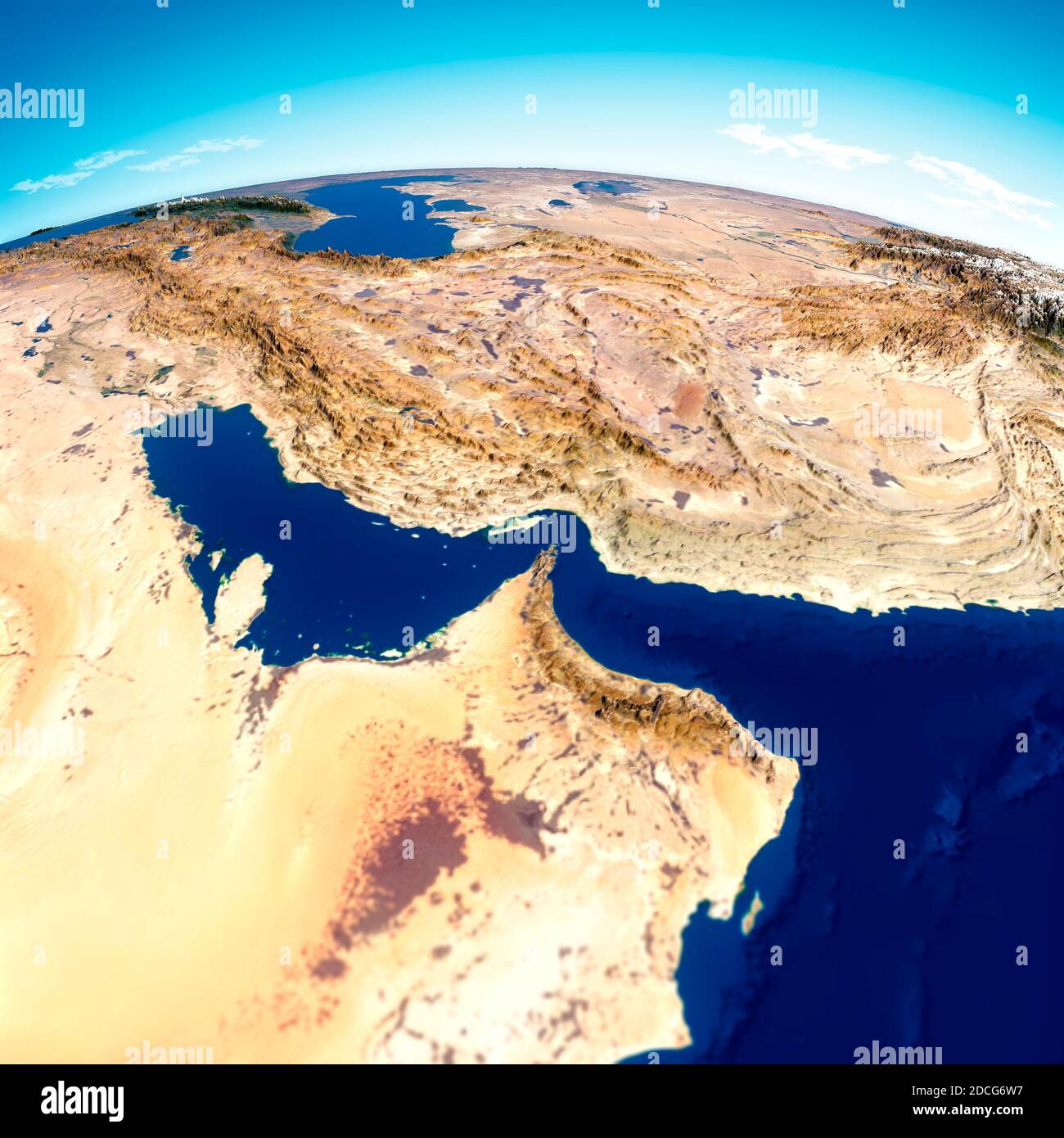
The Strait of Hormuz is widely considered the world’s most important oil chokepoint due to the sheer volume of energy products that pass through its narrow waters daily. Located between Oman and Iran, the strait connects the Persian Gulf with the Gulf of Oman and the Arabian Sea. According to the U.S. Energy Information Administration, the majority of the oil exported through this corridor is destined for Asian markets, including China, India, Japan, South Korea, and Singapore. Any sustained disruption in this area typically triggers immediate volatility in global crude futures.
Energy security experts note that the presence of large tanker fleets waiting to enter or exit the strait often reflects both seasonal demand cycles and the prevailing level of regional security. In recent months, the U.S. Central Command has maintained a consistent naval presence in the region to deter interference with commercial shipping. The current positioning of tankers carrying approximately 80 million barrels serves as a functional indicator that, for the time being, commercial operators and insurers view the transit route as navigable.
Impact on Global Oil Prices and Supply Chains
Global oil markets are highly sensitive to news originating from the Persian Gulf. When the flow of oil through the Strait of Hormuz is perceived as threatened, the “risk premium” on crude prices tends to rise sharply. Conversely, as seen in recent trading sessions, reports of a potential easing of tensions or the smooth passage of large tanker volumes can lead to a softening of these premiums. The Bloomberg Energy team frequently tracks these fluctuations, noting that market sentiment is often driven more by the perception of risk than by actual physical blockages.
For industrial nations and emerging economies alike, the cost of energy is a primary driver of inflation. As identified by the International Monetary Fund in its latest World Economic Outlook, sustained energy price stability is necessary to foster global growth. If the current volume of 80 million barrels moves through the strait without incident, it is expected to provide a measure of relief to global energy markets currently grappling with fluctuating demand and production output decisions from OPEC+ members.
Monitoring Future Transit Developments
The situation in the Persian Gulf remains fluid, and stakeholders are advised to monitor official maritime advisories for updates on transit safety. The Maritime Security Centre and various national naval authorities provide real-time updates regarding the status of the strait. Traders and energy analysts are currently awaiting the next monthly production report from the Organization of the Petroleum Exporting Countries (OPEC), which will provide further clarity on supply levels and export strategies for the coming quarter.
As the international community continues to watch these developments, the focus remains on whether diplomatic progress can translate into long-term stability for one of the world’s most critical economic arteries. We invite our readers to share their insights on how these shipping volumes might influence regional market trends in the comments section below.
Related reading