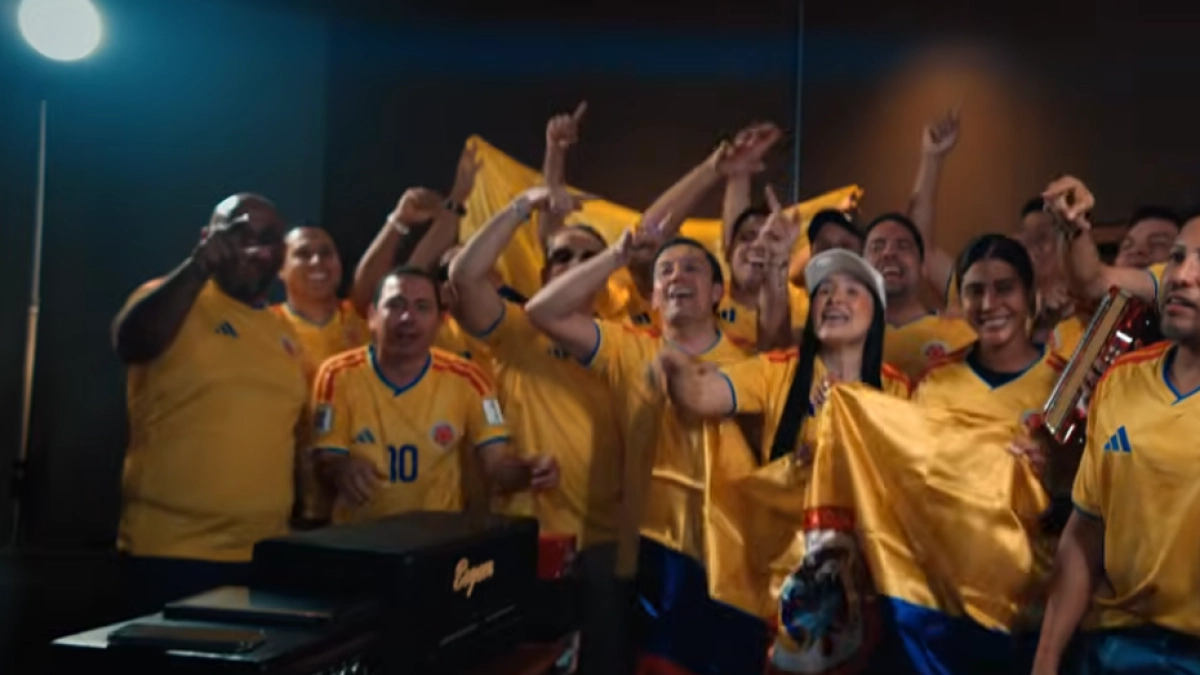
The public involvement of entertainment figures in political campaigns has sparked a significant debate in Colombia, centering on the support shown by Sonia Restrepo, the wife of popular music artist Yeison Jiménez, for the political aspirations of lawyer and former candidate Abelardo de la Espriella. This intersection of the Colombian popular music industry and electoral politics became a focal point of public discourse following the adaptation of established musical works for campaign purposes, according to reports from El Tiempo.
The controversy intensified after several artists associated with the regional “música popular” genre publicly aligned themselves with De la Espriella’s platform. This alignment was highlighted by the modification of lyrics from well-known songs, a strategy that drew scrutiny from both political observers and the artist’s fan base, as noted in coverage by Infobae. The situation underscores the complex relationship between celebrity influence and political messaging in the current national landscape.
The Intersection of Popular Music and Electoral Campaigns
The core of the dispute involves the use of musical adaptations to promote political figures. In this instance, the campaign for Abelardo de la Espriella utilized a modified version of a popular song, originally popularized by Yeison Jiménez. The alteration of these lyrics to favor a specific candidate served as a catalyst for widespread criticism on social media platforms, according to Publimetro Colombia. Critics questioned the appropriateness of using popular cultural expressions to sway voter sentiment during a sensitive electoral period.

For observers of the Colombian music industry, this development reflects a growing trend where artists, or those closely affiliated with them, leverage their public platforms to endorse political ideologies. While such endorsements are not prohibited under Colombian electoral law, they frequently trigger intense public debate regarding the boundary between artistic expression and political propaganda, as discussed by regional media outlet El Pilón.
Public Reaction and the Role of Celebrity Endorsements
The involvement of Sonia Restrepo in the campaign generated a polarized response. Supporters of the candidate viewed the endorsement as a legitimate exercise of political participation, while detractors argued that such public backing risks alienating fans who may hold opposing political views. The scrutiny intensified as other figures within the popular music genre were also identified as supporters of the same political campaign, further fueling the national conversation regarding the influence of celebrity culture on democratic processes.
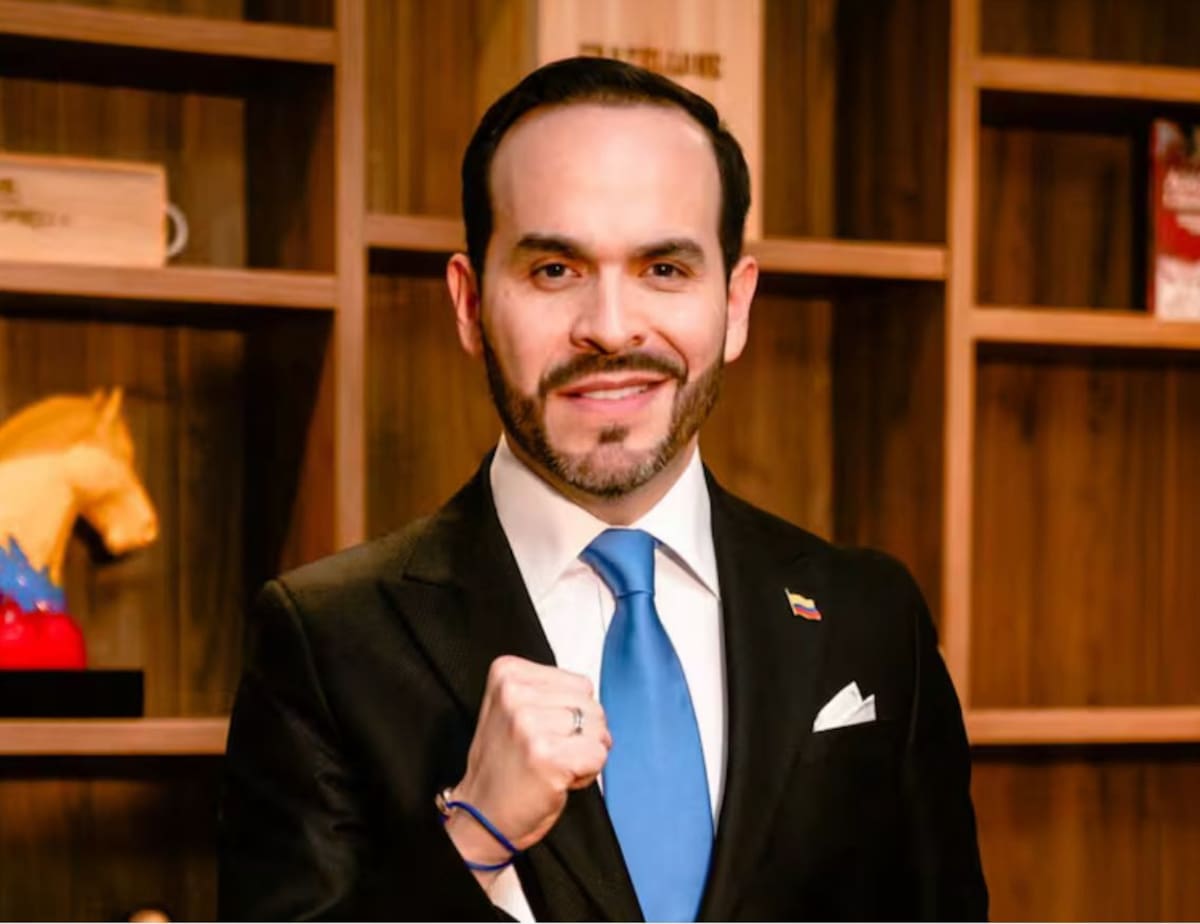
According to analysis provided by Semana, the backlash was not directed solely at the candidate but also at the artists, who faced pressure to clarify their political stances. This dynamic highlights the high stakes for public figures when they choose to move beyond entertainment and into the political arena, where every action is subject to intense public and media evaluation.
Contextualizing Political Participation in the Arts
In Colombia, the engagement of musicians in political campaigns is a recurring phenomenon, yet the intensity of the reaction in this case highlights the sensitivity of the current political climate. The use of “Que te coma el tigre”—a song synonymous with the popular music scene—as a campaign tool illustrates how political strategists attempt to tap into the emotional resonance of popular culture to reach voters, as reported by El Tiempo.
Understanding this event requires a look at the broader trend of “influencer politics” in Latin America. As voters increasingly turn to social media and celebrity endorsements to inform their political choices, the role of public figures becomes increasingly central to campaign strategy. However, as evidenced by the recent criticism faced by those supporting the De la Espriella campaign, this strategy carries significant risks to an artist’s brand and public image, according to reports in Infobae.
What Happens Next?
As of the most recent updates, there have been no formal legal challenges regarding the use of these musical adaptations in the campaign, though the public debate continues to evolve. Observers note that the impact of such endorsements on electoral outcomes remains difficult to quantify, with voter sentiment often driven by a multitude of economic and social factors rather than celebrity influence alone. For those following these developments, official updates regarding campaign financing and the legal use of intellectual property in political advertising can be monitored through the Consejo Nacional Electoral (CNE) of Colombia, which oversees compliance with electoral regulations.
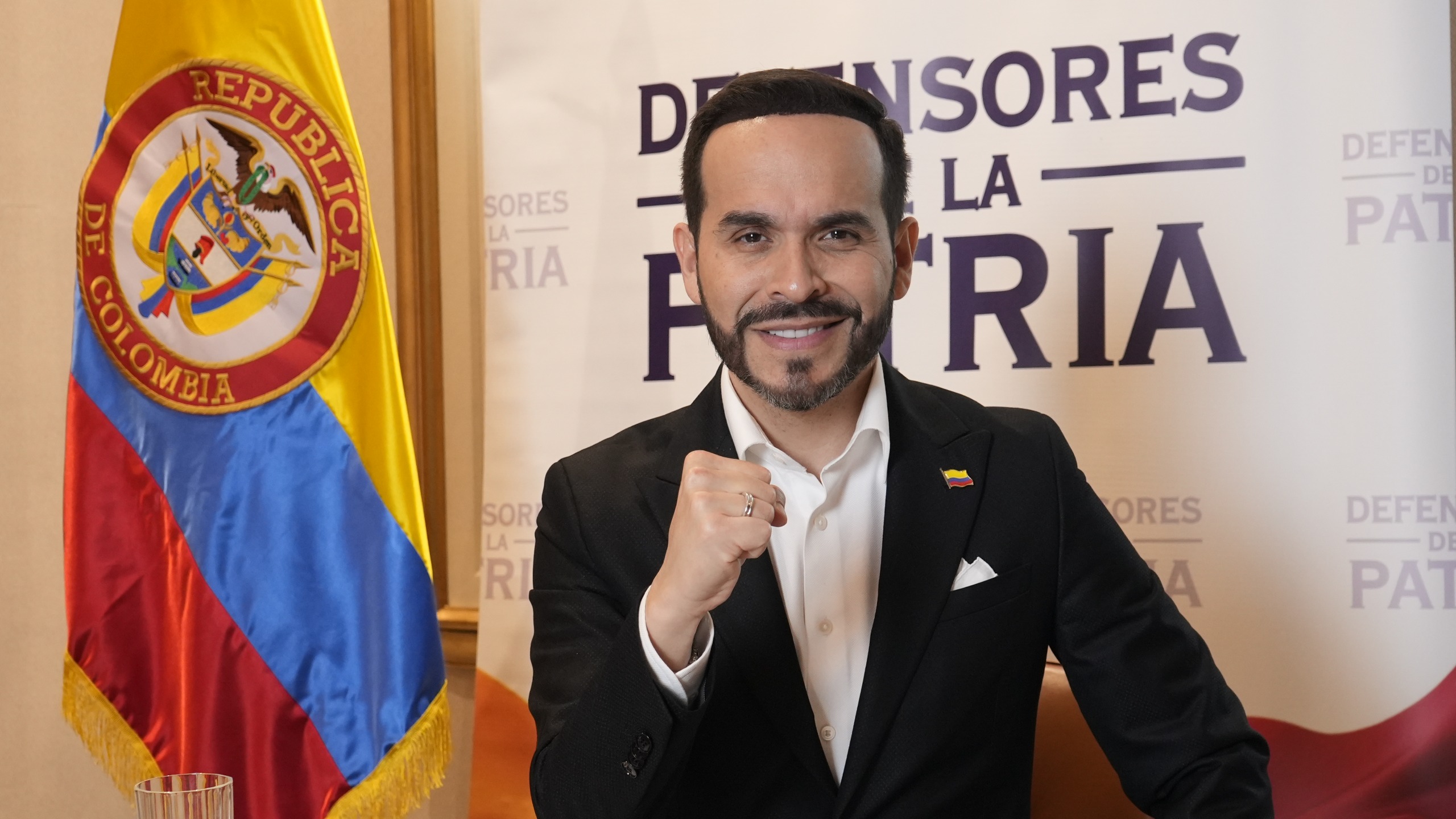
The situation serves as a reminder of the evolving landscape of political communication. As the electoral cycle progresses, it is expected that further scrutiny will be placed on how campaigns utilize cultural capital to gain an advantage. Readers are encouraged to share their perspectives on the role of artists in politics and stay informed through verified news sources as the situation unfolds.
Worth a look