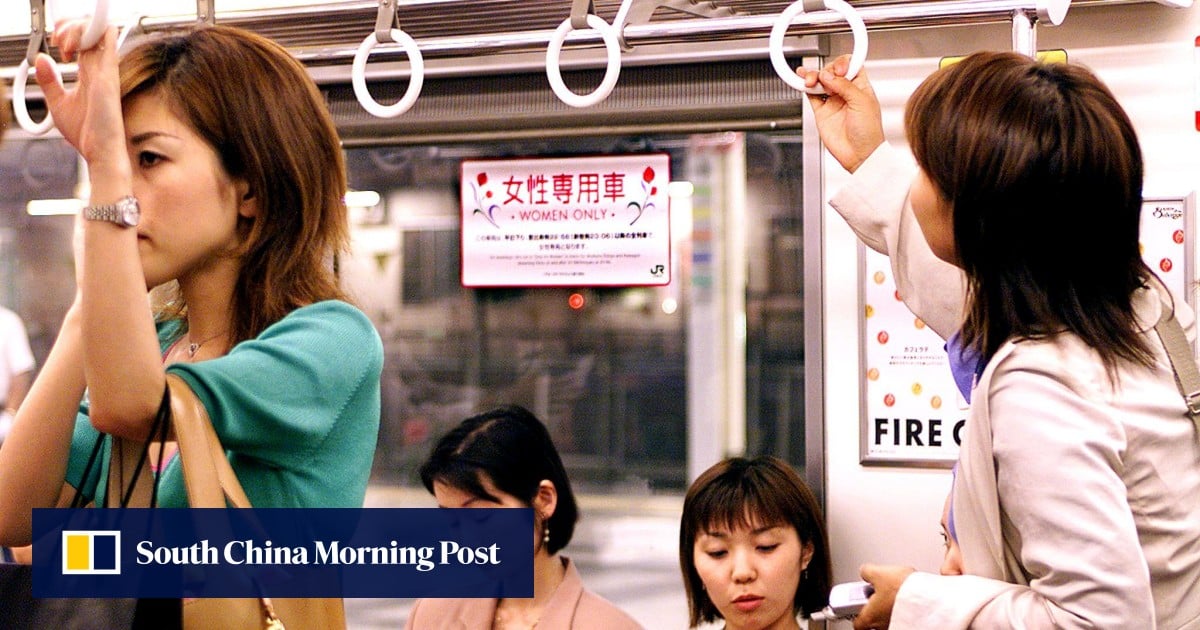
Japan’s women-only carriages, introduced to combat widespread groping on public transit, mark their 25th anniversary this year as the initiative remains a fixture of the country’s rail network. First implemented on a trial basis in 2000, these dedicated cars have evolved from a temporary measure into a standard feature on major commuter lines in Tokyo, Osaka, and other urban centers to address persistent concerns regarding passenger safety and sexual harassment.
The implementation of women-only carriages began in earnest on the Chuo Line in Tokyo in 2000, according to historical data from the Ministry of Land, Infrastructure, Transport and Tourism. Initially conceived as a response to the prevalence of chikan—the Japanese term for molesters—the policy gained momentum as public awareness of sexual violence on trains increased. By 2005, major railway operators, including JR East and Keio Corporation, had expanded the service to numerous lines, designating specific cars during morning and evening rush hours to provide a safer commuting environment for women, students, and children.
The Evolution of Safety Measures on Japanese Railways
For more than two decades, the presence of these carriages has sparked ongoing discussions regarding gender equality and the effectiveness of segregated spaces. While many passengers view the carriages as a necessary precaution, the initiative has faced criticism from some who argue that it addresses the symptoms rather than the root causes of sexual harassment. Data provided by the National Police Agency indicates that while reported incidents of public indecency and groping remain a concern, the visibility of women-only cars has played a role in public information campaigns aimed at encouraging victims to report incidents to station staff or local authorities.
Railway companies have supplemented the physical segregation of carriages with a variety of technological and procedural enhancements. This includes the widespread installation of high-definition security cameras in train cars, a measure that has become increasingly common across the Tokyo Metro and private rail lines since the late 2010s. According to reports from the Japan Times, these surveillance systems are intended to act as a deterrent and provide essential evidence for law enforcement, shifting the focus from purely physical separation to a more comprehensive security strategy.
Public Perception and Usage Trends
The usage of women-only carriages is not strictly enforced by law, but rather by the cooperative efforts of passengers and railway staff. During designated hours, typically during peak morning commuting times, platforms are marked with signage indicating the location of these carriages. While men are generally discouraged from entering these cars, the policy is often described as “voluntary,” and enforcement can vary depending on the specific rail operator’s internal regulations and staffing levels at individual stations.
Sociological studies have often highlighted the complex reception of these spaces. Some commuters express that the carriages provide a necessary sense of relief in densely packed trains where physical boundaries are easily violated. Conversely, the existence of these cars has led to debates about whether they inadvertently signal that other cars are “unsafe” or if they reinforce gendered divisions in public life. Despite these debates, the continued operation of these carriages by major transit authorities suggests that they remain an essential part of the passenger experience for millions of daily commuters.
Current Status and Future Outlook
As the initiative reaches its 25th anniversary, focus has shifted toward the sustainability and adaptability of these measures. Railway operators continue to balance passenger demand with the logistical challenges of managing flow in some of the world’s busiest transit hubs. The Ministry of Land, Infrastructure, Transport and Tourism continues to monitor reports of sexual harassment on public transit, using annual statistics to guide policies on station security and public awareness programs.

For passengers, the most current information regarding specific line schedules and the implementation of women-only carriages is available through the official websites of individual transit providers, such as JR East and Tokyo Metro. These platforms provide real-time updates on service hours and safety policies. As Japan continues to address public safety in the lead-up to future transit infrastructure projects, the role of these dedicated spaces remains a subject of regular review by transport boards and municipal governments.
The next official review of public transportation safety protocols by the national government is expected to be included in the annual transport white paper, typically released in the summer months. For ongoing developments regarding rail safety and public policy, commuters are encouraged to follow official notices posted at major terminal stations and through the digital portals of their respective transit authorities. We welcome readers to share their perspectives on the impact of these measures in the comments section below.
Worth a look