
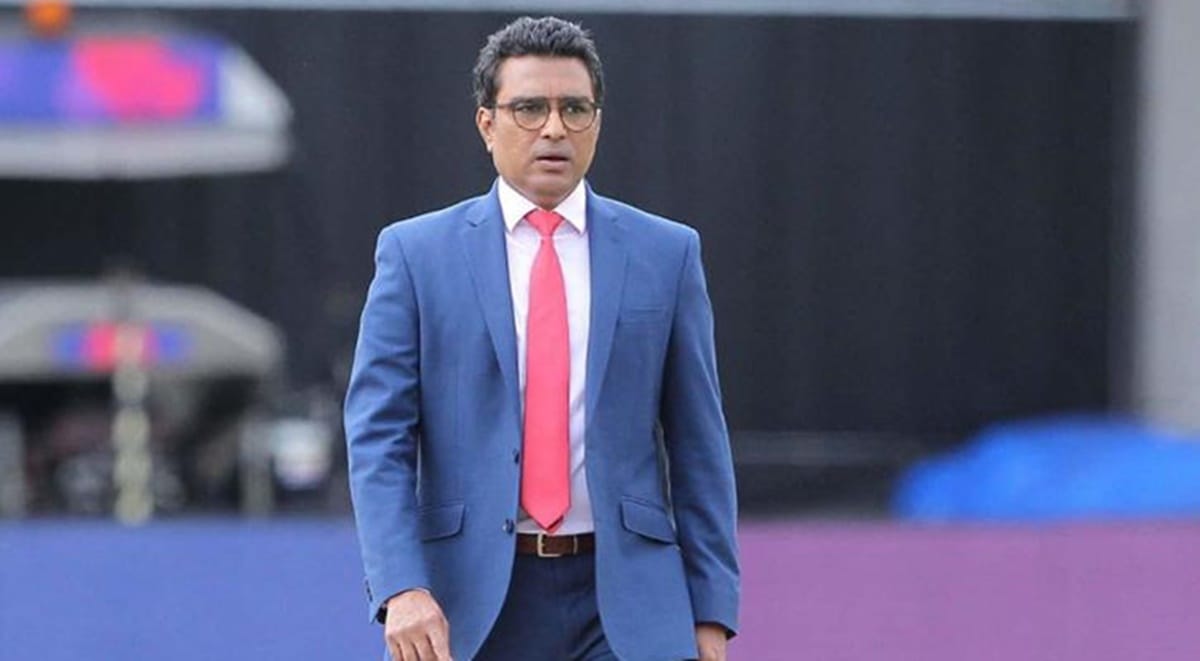
Former Indian batter Sanjay Manjrekar has expressed confusion regarding the current trajectory of Jasprit Bumrah’s international career, specifically questioning why the premier fast bowler has not committed to T20I cricket. Manjrekar’s comments, made during a recent appearance on the Sony Sports Network, highlight a growing debate over player availability and the management of India’s top cricketing talent.
The core of the discussion centers on whether Bumrah, widely considered one of the most effective bowlers in the modern game, should be featuring in India’s T20I series. Manjrekar suggested that he viewed the pacer as a primary candidate to lead the side in the shortest format, a role that has since been filled by other players. According to Manjrekar, the perceived lack of availability has seen leadership opportunities shift to others, with Shubman Gill taking on the Test captaincy and Shreyas Iyer being named as a leader in the T20I setup.
Plenty to unpack. Sanjay Manjrekar shares his views on Bumrah missing the T20I series and the latest team developments.#SonySportsNetwork #SonyLIV #TeamIndia pic.twitter.com/SmP3XoC1CW— Sony Sports Network (@SonySportsNetwk) June 7, 2026
Workload Management and Strategic Planning
The discourse regarding Bumrah’s selection is framed by the broader policies of the Board of Control for Cricket in India (BCCI). While Manjrekar noted that he expected the bowler to be available for upcoming tours in Ireland and England following his participation in the 2026 Indian Premier League (IPL), the BCCI’s strategic outlook appears to prioritize long-term fitness and the preservation of their primary assets for high-stakes international competitions.
Ajit Agarkar, serving as the Chairman of Selectors, has previously emphasized that the governing body aims to keep key players like Bumrah in peak condition for Test cricket and the 2027 ODI World Cup. This approach reflects an ongoing effort to manage the physical toll on elite athletes, particularly those who participate in high-intensity franchise leagues like the IPL. For the BCCI, the focus remains on the World Test Championship (WTC) cycle and the long-term roadmap for 50-over cricket, rather than prioritizing bilateral T20I fixtures that fall outside of major tournament windows.
The Changing Landscape of Indian Captaincy
Manjrekar’s critique touches upon the evolving leadership structure within the Indian team. He noted that while he felt Bumrah possessed the necessary leadership qualities to guide the T20I squad, the bowler’s own preferences regarding workload management appear to have influenced the selection process. The transition to younger captains like Gill and Iyer reflects a tactical shift in how the BCCI approaches the different formats of the game.
Bumrah’s history with captaincy has been limited to specific instances in the Test arena. His absence from the T20I captaincy conversation, despite his stature, is largely viewed as a consequence of the necessary trade-offs required to keep him bowling at his best in longer formats. As the international calendar continues to demand high performance across multiple disciplines, the balance between player availability and injury prevention remains a central theme for the team management.
The Indian cricket team’s schedule remains subject to ongoing revisions by the BCCI as they prepare for upcoming international commitments. Fans and observers await further announcements regarding squad rotations and long-term player availability as the team moves into the next phase of the cricket season.
Keep reading