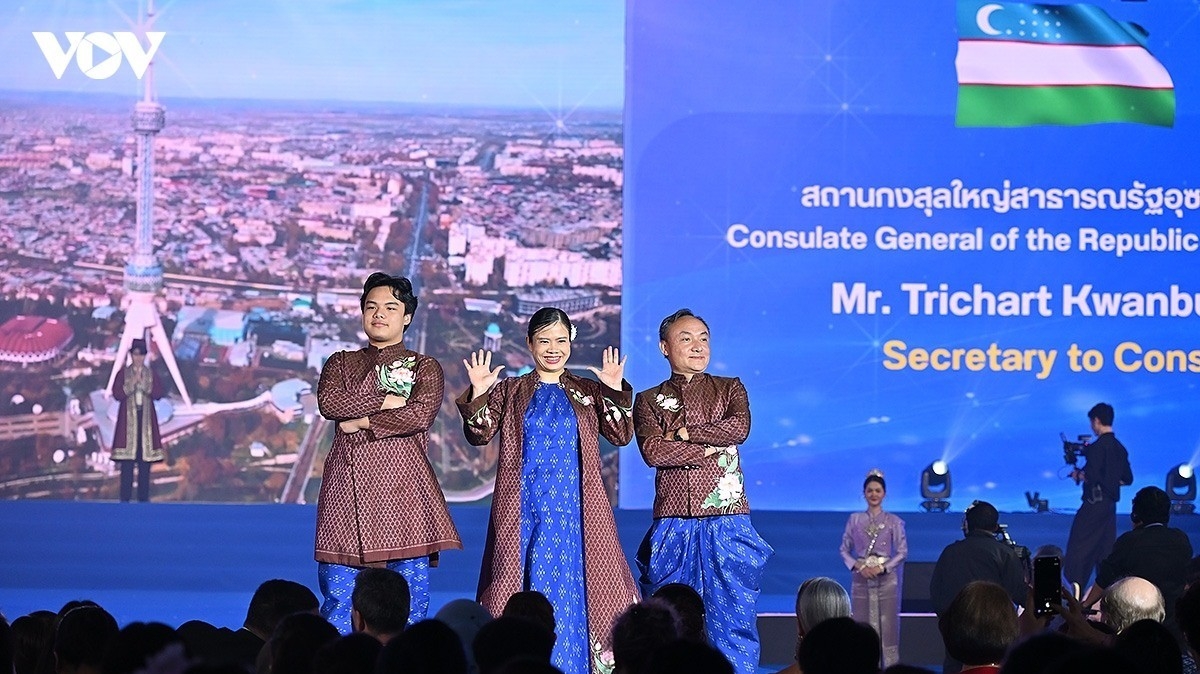
The “Thai Silk Road to the World” initiative has emerged as a significant instrument of cultural diplomacy, utilizing Thailand’s royal heritage to foster international connections and showcase the nation’s textile artistry. By positioning traditional silk craftsmanship as a modern diplomatic asset, the program aims to bridge cultural divides and promote Thai identity on the global stage. This initiative reflects a broader strategy of using cultural heritage to enhance national soft power, often aligning with international forums to amplify its reach.
Recent efforts have seen this initiative integrated into larger discussions surrounding cultural exchange and economic cooperation. As nations look to strengthen ties through shared heritage, the deliberate promotion of Thai silk serves as a tangible expression of the country’s history and its contemporary aspirations in the international community.
The Evolution of Cultural Diplomacy
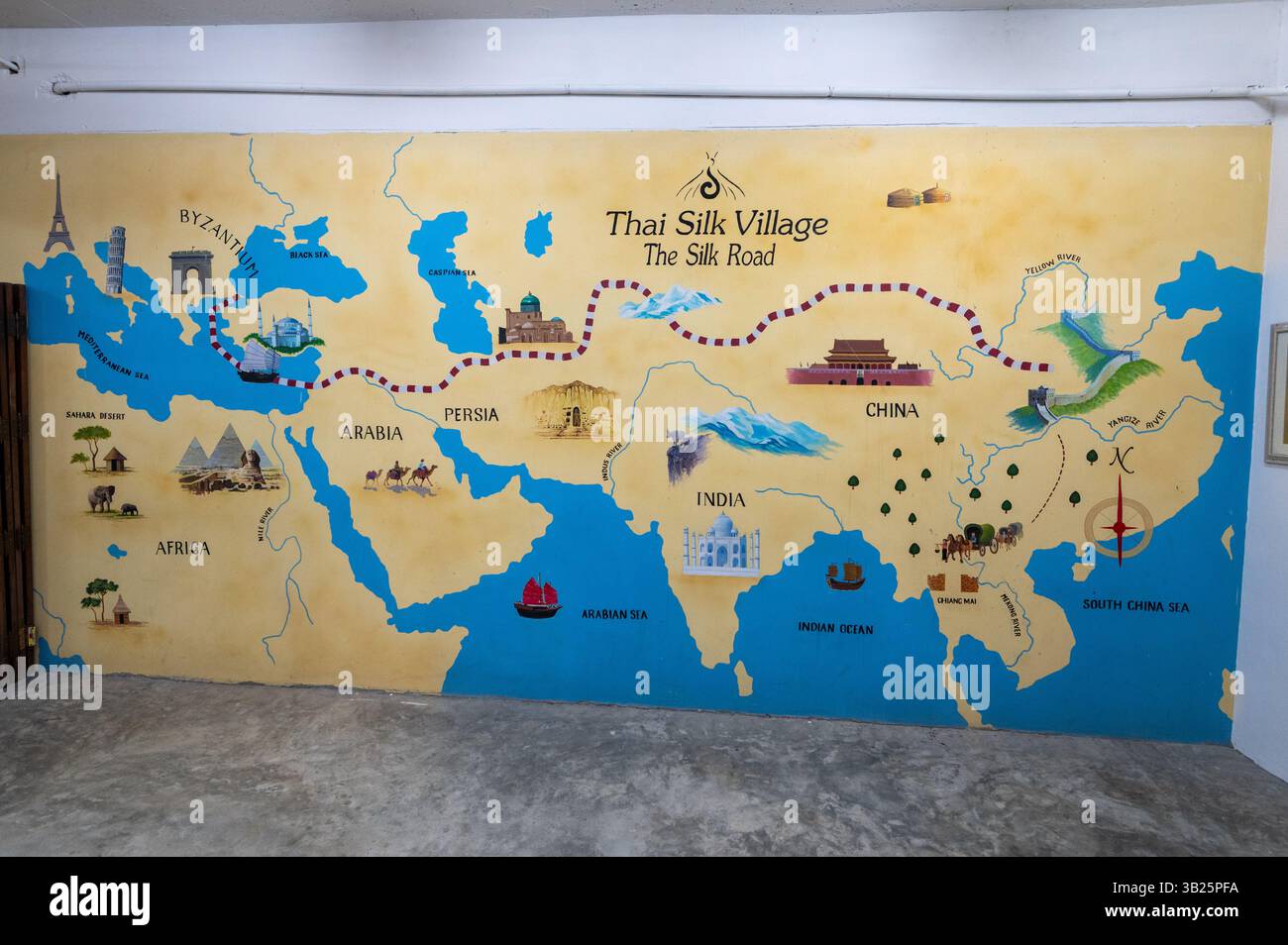
Cultural diplomacy, defined as the exchange of ideas, values, and traditions to foster mutual understanding, has become a cornerstone of modern international relations. For Thailand, the “Thai Silk Road to the World” serves as an evolving project that seeks to elevate the status of indigenous crafts into diplomatic tools. According to analysis from The Diplomat, the integration of cultural heritage into regional frameworks—such as the Belt and Road Initiative—has the potential to reshape regional politics and security by emphasizing common historical ties and shared cultural values.

This approach moves beyond traditional trade agreements, focusing instead on the “soft” aspects of power. By presenting silk—a material deeply rooted in Thai royal and rural traditions—at international events, the initiative invites global audiences to engage with Thai history. This strategy allows the nation to cultivate a favorable image, positioning itself as a custodian of ancient craftsmanship while simultaneously engaging with modern global markets.
Integration of Heritage and Modern Identity
The strength of the Thai Silk Road initiative lies in its ability to fuse historical legacy with modern interpretation. The project does not merely preserve silk as a museum piece; it promotes it as a living, evolving industry. This dual focus is essential for its effectiveness as a diplomatic tool, ensuring that the message of cultural heritage remains relevant to contemporary international partners.
In various regions, including the United States, businesses often adopt similar strategies, blending traditional culinary or artisanal roots with modern service models to engage local communities. For instance, establishments like Thai Ashburn in Virginia demonstrate how the infusion of cultural traditions—whether through cuisine or design—serves to create a bridge between Thai identity and local international audiences. While these commercial efforts operate in a different sphere than government-led cultural diplomacy, they share a common goal: the use of cultural markers to establish an authentic and memorable identity.
Why Cultural Initiatives Matter
The strategic value of these initiatives is found in their longevity and their ability to create sustainable soft power. By consistently presenting Thai silk at international forums, the organizers ensure that the narrative of Thai craftsmanship remains at the forefront of cultural discourse. This creates a persistent, positive association with the nation, which can facilitate deeper economic and political cooperation over time.
The effectiveness of such programs is often measured by their ability to reach diverse audiences and influence perceptions. As the “Thai Silk Road to the World” continues to host events and engage international partners, the focus remains on the long-term impact of these cultural exchanges. The initiative’s ability to adapt to changing geopolitical landscapes while maintaining its core focus on heritage is what distinguishes it as a resilient model of cultural diplomacy.
Looking Ahead: Future Engagements
The “Thai Silk Road to the World” remains an ongoing project, with future events expected to further expand its international footprint. Stakeholders and observers look to official announcements from the organizers for updates on upcoming exhibitions and collaborative projects. These platforms provide the most accurate information regarding the initiative’s schedule and its strategic goals for the remainder of the year.

As the initiative progresses, the intersection of cultural heritage and modern diplomacy will likely remain a focal point for researchers and policy analysts. We encourage our readers to monitor official channels for upcoming developments and join the conversation regarding the impact of cultural diplomacy on the global stage. Please share your thoughts in the comments section below.
Worth a look