
CANNES, France — Oscar-winning actor Javier Bardem has rejected claims he faces professional repercussions for speaking out against the humanitarian crisis in Gaza, declaring at the Cannes Film Festival that “those creating blacklists will be the ones exposed.”
During a press conference on May 18, 2024, for the premiere of his new film El Ser Querido (directed by Rodrigo Sorogoyen and in competition for the Palme d’Or), Bardem addressed persistent rumors about a supposed “blacklist” targeting Hollywood figures who have publicly condemned the situation in Gaza. While acknowledging the existence of fear, he insisted that ethical consistency must prevail over career concerns.
“The fear exists, but one must do things even with fear,” Bardem stated. “What matters is being able to look in the mirror and be at peace with your ethics. And that’s always been my case, because my mother taught me that way—there is no plan B.”
Bardem, who won an Academy Award in 2008 for his role in No Country for Old Men, emphasized that he has not experienced confirmed professional backlash despite speculation linking him to a growing list of actors—including Susan Sarandon and Mark Ruffalo—who have faced industry scrutiny for their Gaza-related statements.
Defiance Amid Industry Rumors
While Bardem admitted to hearing “rumors” about potential industry reprisals, he clarified that he has no confirmed evidence of such actions. “If there were something confirmed, I would say it with names and surnames,” he noted, framing transparency as part of the broader accountability he advocates.
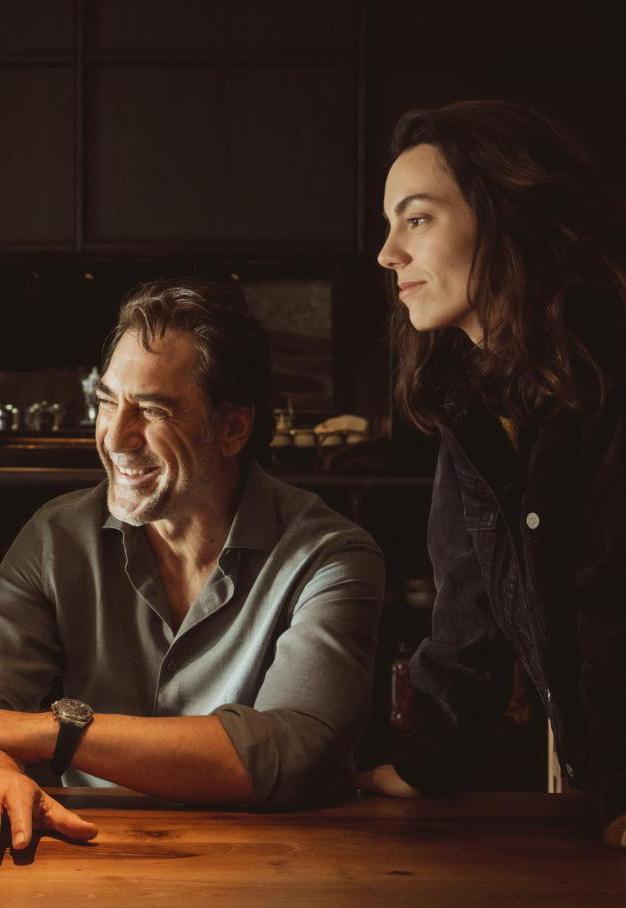
Contrary to the perception that his activism could harm his career, Bardem reported receiving numerous professional offers across the United States, Latin America, and Europe. He interpreted this as evidence of a shifting cultural narrative, particularly among younger audiences who he believes are increasingly rejecting the status quo.
“The narrative is changing,” Bardem said. “Thanks in large part to younger generations who are more conscious of what is happening in Gaza—something that is ‘unadmissible and unjust,’ and for which there is no justification.”
His remarks reflect a broader debate within global entertainment circles about the consequences of public advocacy during geopolitical conflicts. While some industry figures have faced project cancellations or reduced opportunities, Bardem’s experience suggests that the backlash may not be universal—or as severe as feared.
Generational Shift and Ethical Leadership
Bardem’s defiance aligns with a growing trend among public figures who prioritize moral consistency over professional caution. His mother, Pilar Bardem—a respected Spanish actress and activist—has long been a vocal advocate for social causes, and he credited her influence as foundational to his own stance.
“There is no plan B,” he reiterated, underscoring a principle that has guided his career choices. This ethos has not only shaped his public statements but also his film selections, including roles in politically charged projects like Skyfall (2012) and Biutiful (2010), which tackled themes of immigration and human dignity.
His latest film, El Ser Querido, continues this tradition by exploring complex ethical dilemmas, though its specific themes remain distinct from his Gaza-related activism. The film’s Cannes premiere—where Bardem engaged directly with media about his stance—highlights the intersection of art and advocacy in contemporary Hollywood.
Industry Reactions and Future Prospects
While Bardem’s comments offer a defiant counterpoint to blacklist rumors, the broader industry climate remains uncertain. Some actors, including George Clooney and Cate Blanchett, have also faced scrutiny for their public statements on Gaza, though no formal industry-wide blacklist has been confirmed.
Bardem’s optimism about shifting narratives may reflect a generational divide, as younger audiences increasingly demand authenticity from public figures. A 2023 survey by Pew Research Center found that 68% of Gen Z respondents prioritize ethical consistency over career success when evaluating celebrities, suggesting a potential realignment of industry incentives.
For now, Bardem remains focused on his work, insisting that ethical integrity is non-negotiable. “Those who create these blacklists are the ones who will be exposed,” he declared, framing the issue as one of accountability rather than fear.
What Happens Next?
The Cannes Film Festival continues through May 26, with El Ser Querido set to screen in competition. Bardem’s next major project is Being the Ricardos (2021), though he has not confirmed additional roles tied to his Gaza-related advocacy.

As the debate over Hollywood’s response to global conflicts intensifies, Bardem’s stance serves as a reminder that public figures—particularly those with platforms—face growing pressure to align their actions with their values. For now, he appears unbowed, offering a rare moment of defiance in an industry often characterized by caution.
Reader Engagement: Share your thoughts on Bardem’s stance in the comments below. Does the entertainment industry have a responsibility to speak out on global crises? What are the risks and rewards of public advocacy?
Related reading