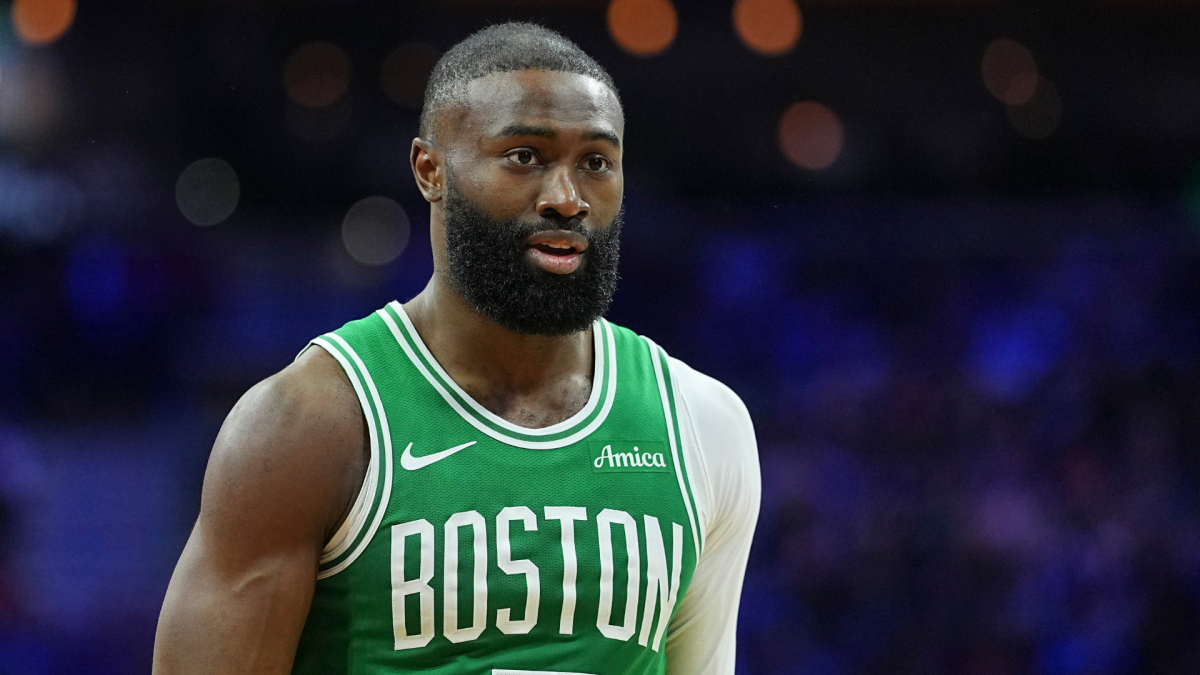
The Boston Celtics are reportedly seeking a massive collection of future draft picks in any potential trade involving Jaylen Brown, while Detroit Pistons center Jalen Duren is facing internal friction regarding the team’s current contract extension offers. These developments highlight a growing tension in the NBA between long-term franchise stability and the immediate demands of high-performing young talent.
According to league sources and recent reports regarding NBA trade rumors, the Boston Celtics’ front office has established a high valuation for Jaylen Brown. Any move involving the two-time All-Star would necessitate a “haul” of draft assets rather than a simple player-for-player swap. This stance comes as the Celtics attempt to balance their championship-caliber core with the financial constraints of the NBA’s new collective bargaining agreement (CBA).
In a separate development in the Eastern Conference, Jalen Duren is reportedly dissatisfied with the contract terms being presented by the Detroit Pistons. The young center, who has emerged as a primary defensive force for the franchise, is seeking an extension that reflects his statistical output and projected role in Detroit’s rebuilding phase.
What is the Celtics’ trade valuation for Jaylen Brown?
While Jaylen Brown remains a cornerstone of the Boston Celtics’ roster, rumors regarding his availability have surfaced in discussions about roster optimization. Reports indicate that the Celtics would not entertain any trade package that lacks significant long-term value in the form of first-round picks and swap rights. This high asking price is driven by Brown’s recent supermax extension, which makes the financial logistics of a trade exceptionally difficult for any acquiring team.
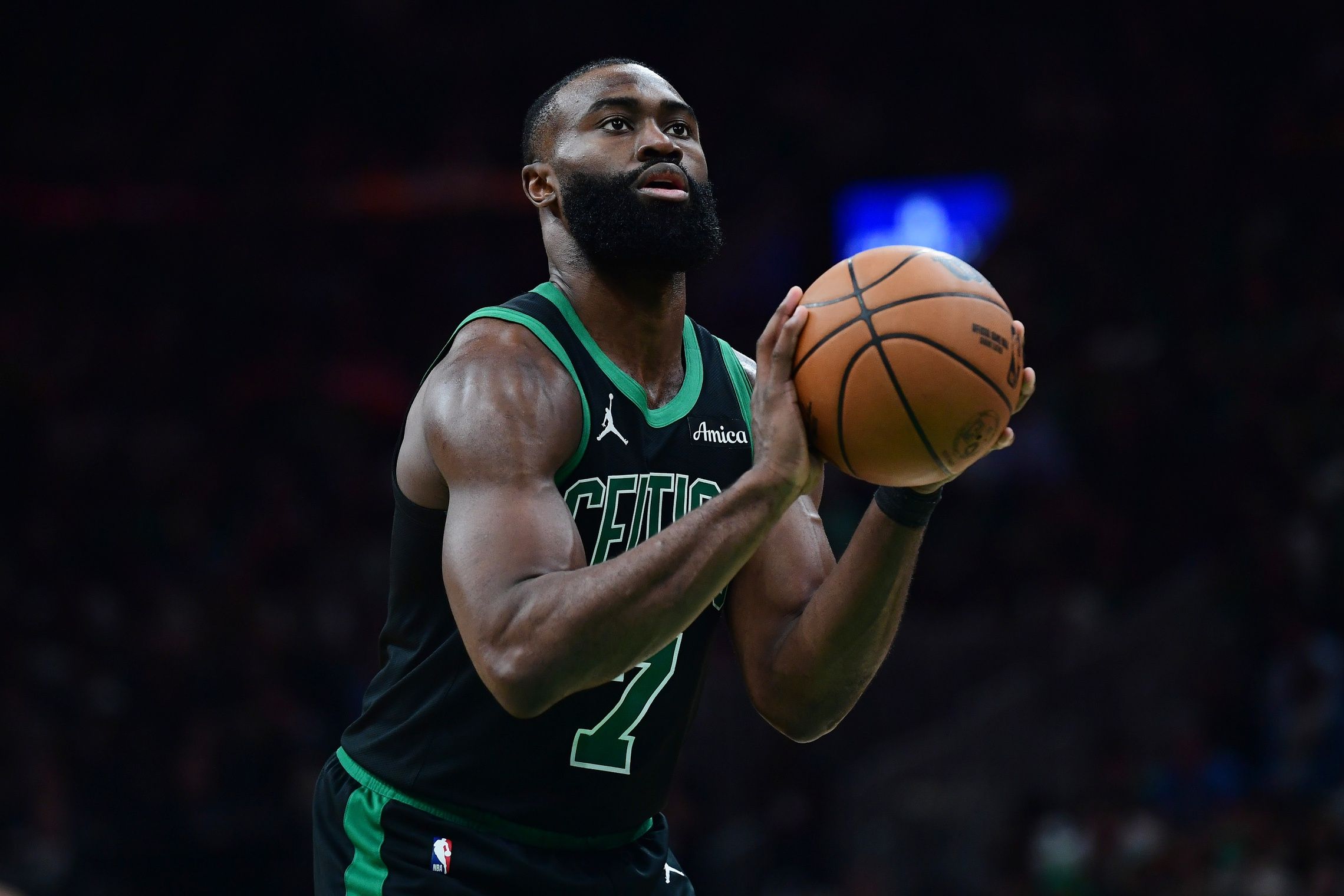
The complexity of a Brown trade involves more than just talent. Because of his contract structure, a team looking to acquire him must possess significant salary cap space or send back comparable long-term contracts. The Celtics’ insistence on a “haul of picks” serves as a hedge against the loss of a championship-level player, ensuring that even if they move Brown, they maintain the ability to rebuild through the draft.
Analysts suggest that the Celtics’ strategy reflects a broader trend among championship-contending teams. Maintaining a core of veteran talent requires a constant influx of cheap, high-upside talent via the draft to offset the rising costs of max contracts. If Boston were to move Brown, the return would need to provide both immediate depth and the long-term flexibility to navigate the “second apron” of the luxury tax.
Why is Jalen Duren reportedly dissatisfied in Detroit?
The situation in Detroit involves a different set of pressures. Jalen Duren, a rising star in the NBA’s interior, is reportedly at odds with the Pistons’ front office over the specifics of his upcoming contract negotiations. Sources close to the situation suggest that the current offer from the Pistons does not align with Duren’s expectations regarding both total value and guaranteed years.
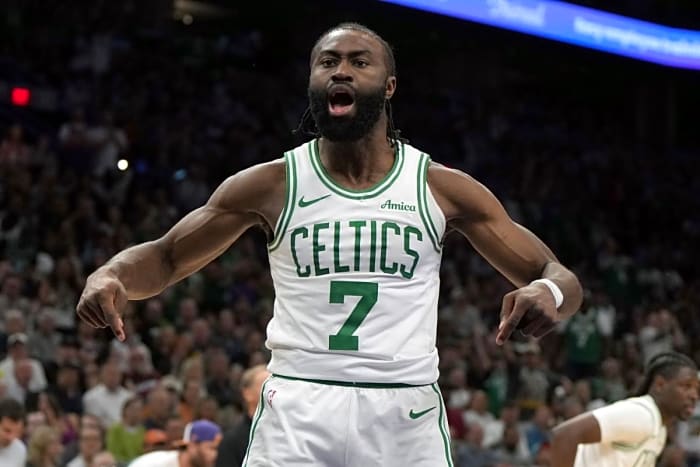
Duren has established himself as one of the league’s most productive young big men, particularly in rebounding and rim protection. His performance has outpaced many of the scouting projections held during his entry into the league. For a player in his position, a contract extension is not just about the immediate dollar amount, but about securing his financial future before the possibility of free agency or further cap fluctuations.
The Pistons are currently in a rebuilding period, a phase that often creates friction between management and young players. While the front office focuses on long-term financial sustainability and the development of a cohesive unit, players like Duren are focused on maximizing their individual market value. This disconnect is a common hurdle for franchises attempting to transition from a rebuilding phase to a competitive one.
How the NBA’s new CBA affects trade and contract rumors
The rumors surrounding both Jaylen Brown and Jalen Duren cannot be viewed in isolation from the NBA’s recent Collective Bargaining Agreement (CBA) changes. The new rules have introduced harsher penalties for high-spending teams, specifically those crossing the “second apron” threshold. This has fundamentally changed how teams approach trades and extensions.
For the Boston Celtics, the second apron limits their ability to aggregate salaries in trades and restricts their use of the mid-level exception. This makes a Jaylen Brown trade even more lopsided in terms of required assets; the Celtics cannot simply trade for several mid-tier players to replace him. They need assets that provide long-term value without immediately triggering massive tax penalties. This explains the demand for a “haul of picks” rather than established veterans.
For the Detroit Pistons, the CBA affects how they structure offers to young stars. The league’s new rules incentivize teams to manage their cap carefully to avoid the punitive measures faced by top-tier spenders. However, if the Pistons are too conservative with their offers to Duren, they risk losing a foundational piece of their future for nothing in free agency. The tension in Detroit is a direct byproduct of this delicate balancing act between cost control and talent retention.
| Factor | Jaylen Brown (Celtics) | Jalen Duren (Pistons) |
|---|---|---|
| Primary Driver | High trade valuation/Draft assets | Contract extension dissatisfaction |
| Financial Context | Supermax contract constraints | Rebuilding phase negotiations |
| Key Obstacle | Salary cap/Second apron limits | Alignment of player/team timelines |
| Strategic Goal | Maintaining championship flexibility | Securing foundational interior talent |
What happens next for these players and teams?
The immediate future for both players remains tied to their respective front offices. For the Celtics, any discussions regarding Jaylen Brown are currently speculative, as he remains a central part of their championship aspirations. However, as the trade deadline approaches, the “haul of picks” requirement will serve as the benchmark for any potential movement.
For Jalen Duren and the Pistons, the focus shifts to the negotiation table. The coming months will determine whether Detroit can bridge the gap between their current offer and Duren’s expectations. A successful negotiation would solidify the Pistons’ interior defense for years, while a breakdown in talks could lead to Duren being mentioned in trade discussions later in the season.
The NBA landscape is increasingly defined by these high-stakes negotiations. As teams navigate the complexities of the new CBA, the tension between managing a cap and satisfying the ambitions of young stars will continue to drive the league’s news cycle.
Next Checkpoint: Monitor official NBA transaction logs and team press conferences for updates on Jalen Duren’s contract status or any formal roster changes in Boston.
What do you think about the Celtics’ high asking price for Brown or the Pistons’ situation with Duren? Let us know in the comments below and share this article with your fellow NBA fans.
Worth a look
- Santino Marella Reveals He Is Physically Able to Wrestle Again: Why He Wants a Return
- Rosario Central vs. Corinthians: Live Stream, TV Channel, Match Time, and Lineups
- Polokwane City Coach Willy Moloto Addresses Thabang Matuludi Absence and Transfer Rumors (newsdirectory3.com)
- AJ Brown: The Enemy Speaks Kindly and Holds a Knife (world-today-news.com)