
Italian Electricity Prices See Marked Decline as PUN Index Drops
Italian wholesale electricity prices recorded a significant decrease on June 27, according to recent market data tracking the Prezzo Unico Nazionale (PUN) index. This downward movement in the electricity benchmark coincided with fluctuations in the PSV (Punto di Scambio del Venditore) natural gas index, marking a period of volatility for energy traders and consumer analysts monitoring the Mediterranean energy corridor.
The drop in the PUN index reflects shifting supply-demand dynamics within the Italian power grid. While electricity prices saw a notable contraction, the natural gas market, measured by the PSV, has experienced its own set of adjustments, complicating the broader outlook for energy costs in the region. Analysts suggest that the divergence between electricity and gas price movements highlights the increasing influence of renewable energy integration on wholesale markets.
Why did the PUN electricity index drop?
The marked decline in the PUN index is primarily attributed to increased renewable energy penetration and favorable weather conditions affecting hydroelectric and solar output. When solar and wind production exceeds forecasted levels, the marginal cost of electricity in the wholesale market often drops, as these sources have near-zero marginal costs compared to fossil-fuel-based generation.
Market observers note that the timing of these price drops often correlates with high solar irradiation periods during the summer months. As solar energy floods the grid during daylight hours, it displaces more expensive gas-fired power plants, driving down the national average price recorded by the PUN. This phenomenon, often referred to as the “cannibalization effect” in energy economics, can lead to significant intraday price volatility.
Additionally, the stability of gas supplies plays a secondary role. While gas is a primary driver for electricity prices via thermal power plants, any surplus in gas storage levels or a stabilization in LNG (Liquefied Natural Gas) arrival rates can reduce the pressure on electricity markets. The interplay between these variables determines whether the PUN experiences a sharp correction or remains stable.
What role does the PSV gas price play in energy markets?
The PSV, or Punto di Scambio del Venditore, serves as the Italian benchmark for wholesale natural gas prices. It is a critical indicator for both industrial consumers and retail energy providers, as gas remains a fundamental component in the production of electricity and a direct heating source for millions of households.
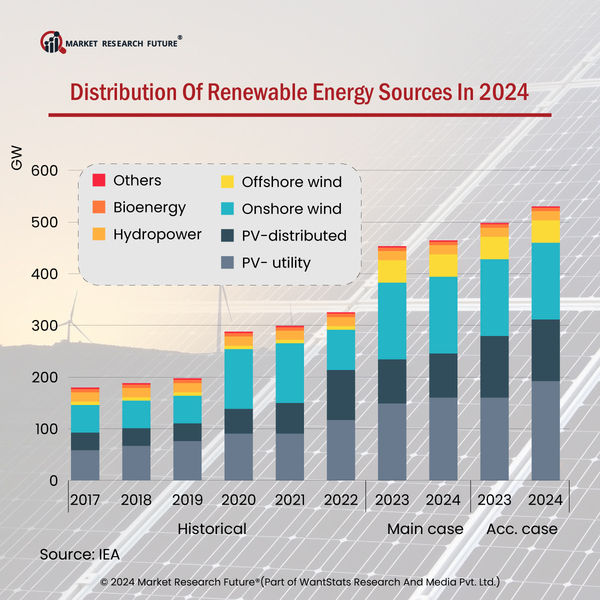
The relationship between the PSV and the PUN is often symbiotic. Because a significant portion of Italy’s electricity is generated using natural gas, a spike in the PSV typically translates to higher PUN values. However, the recent trend of a “marked drop” in electricity prices despite gas market fluctuations suggests that renewable energy is beginning to decouple electricity prices from gas volatility to a greater extent than in previous years.
Current market data indicates that gas prices are sensitive to several external factors, including:
- Storage Levels: The volume of gas held in Italian underground storage facilities.
- Pipeline Flows: The reliability and volume of gas arriving from North Africa and other transit partners.
- LNG Spot Prices: The global cost of liquefied natural gas, which dictates the baseline for European imports.
How do wholesale indices affect Italian households?
It is a common misconception that a drop in the PUN or PSV indices results in an immediate reduction in monthly utility bills for residential consumers. The transition from wholesale market prices to retail consumer prices involves several layers of costs, including network fees, taxes, and the fixed margins of energy suppliers.
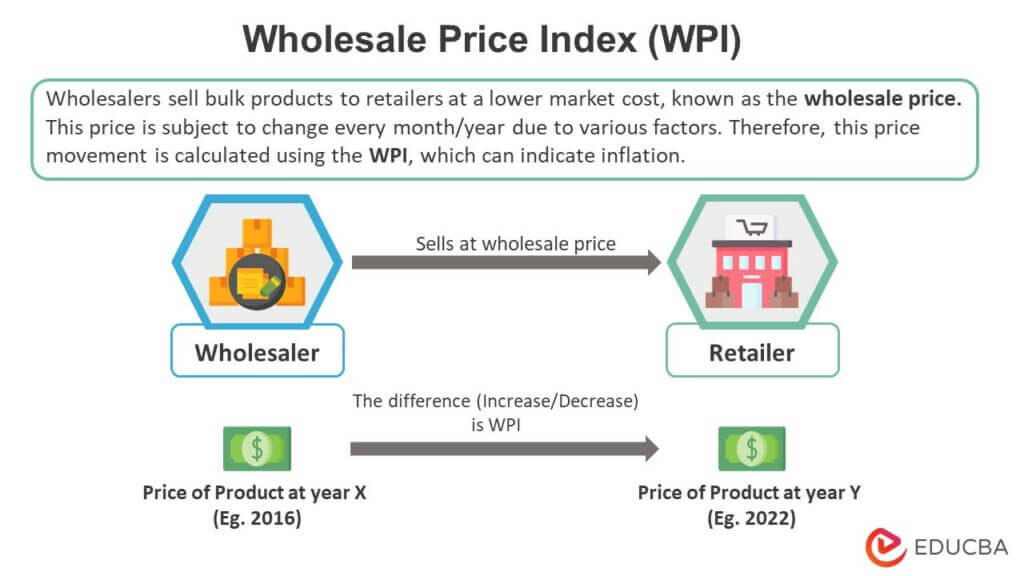
For consumers on “prezzo indicizzato” (indexed) contracts, the wholesale price movements are passed through to the bill, typically with a delay of one to two months. For those on “prezzo fisso” (fixed-price) contracts, these daily fluctuations have no immediate impact, as the cost is locked in for the duration of the agreement.
The following table illustrates the distinction between the two primary energy benchmarks used in the Italian market:
| Feature | PUN (Prezzo Unico Nazionale) | PSV (Punto di Scambio del Venditore) |
|---|---|---|
| Primary Commodity | Electricity | Natural Gas |
| Market Function | National electricity benchmark | Wholesale gas benchmark |
| Primary Drivers | Renewables, gas prices, demand | Storage, LNG, pipeline supply |
| Consumer Impact | Affects electricity-indexed bills | Affects gas-indexed bills |
Understanding the volatility in Italian energy prices
The volatility seen in the late June period is characteristic of the seasonal transition in the European energy sector. As demand for cooling increases due to rising temperatures, the electricity grid faces higher loads, which can lead to rapid price swings if the supply of renewables does not match the surge in demand.
Furthermore, the Italian market is deeply integrated with the broader European energy landscape. Price movements in the German or French markets often ripple through the interconnected European grid, influencing the PUN. This interconnectedness means that geopolitical shifts or supply disruptions in Northern Europe can have direct consequences for Italian energy costs.
Frequently Asked Questions
What is the difference between PUN and PSV?
PUN is the benchmark for electricity prices in Italy, while PSV is the benchmark for natural gas prices. Both are used to set the prices for wholesale energy trading.
Why does electricity price drop when it is sunny?
Higher solar energy production increases the supply of electricity on the grid. When supply increases and demand remains constant, the wholesale price (PUN) tends to decrease.
Will a drop in PUN lower my electric bill immediately?
Not necessarily. The impact depends on your contract type. Indexed contracts reflect these changes after a period of lag, while fixed-rate contracts will not change until your renewal period.
What should I monitor to track energy costs?
Keep an eye on the official updates from the Gestore Mercati Energetici (GME) and the specific indices (PUN and PSV) provided by your energy supplier.
Market participants will continue to monitor the next scheduled settlement periods and official index updates to determine if the downward trend in electricity prices will persist through the summer season.
For more updates on global energy markets and economic policy, please share this article or leave your comments below.
Worth a look