
JBS USA, the world’s largest meat-processing company, plans to close two of its facilities in the United States as the industry faces shifting consumption patterns and rising operational costs. The company confirmed it will shutter its beef production plant in Souderton, Pennsylvania, and a value-added facility in Memphis, Tennessee, as part of a broader strategy to modernize its North American operations. According to the Pennsylvania Department of Labor and Industry’s Worker Adjustment and Retraining Notification (WARN) list, the Souderton closure is scheduled for August 14, a move that will affect 1,485 employees.
The decision by the Greeley, Colorado-based firm follows a pattern of consolidation within the American meatpacking sector. JBS stated that it is refining its business model by integrating its beef and case-ready divisions to increase efficiency. This restructuring comes at a time when the U.S. Department of Agriculture (USDA) has projected a decline in domestic beef production. In its May World Agricultural Supply and Demand Estimates report, the USDA lowered its 2026 beef production forecast by 243 million pounds, citing limited cattle supplies and upward pressure on prices.
Shifting Consumption and Market Pressures
The U.S. beef market is currently navigating a period of significant price volatility and changing consumer habits. According to data from the Federal Reserve Bank of St. Louis, the average price of ground beef in U.S. cities reached $7.064 per pound in May, a notable increase from $6.245 in May 2025. This inflationary pressure on grocery staples has forced many households to reevaluate their purchasing habits.
Long-term trends also indicate a cooling demand for beef. A report from the Federal Reserve Bank of Dallas highlighted that per capita beef consumption in the United States has dropped from approximately 94 pounds in 1976 to 59 pounds in 2025. Economists suggest that as beef prices remain elevated, consumers are increasingly turning to alternative animal proteins, such as chicken and fish, which generally carry lower price points.
Industry Consolidation and Operational Challenges
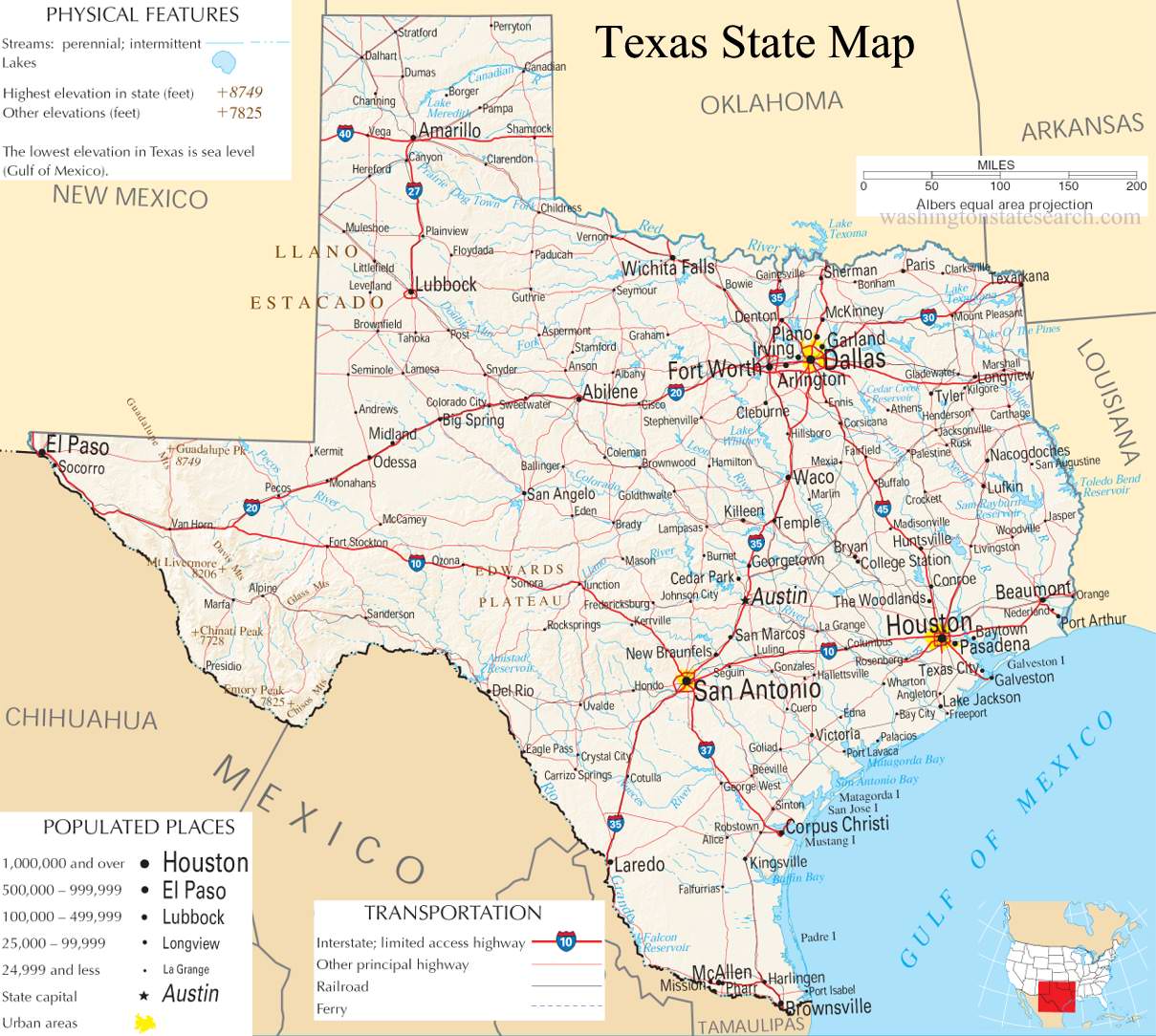
JBS is not the only major processor adjusting its footprint. In late 2025, Tyson Foods announced it would cease operations at its beef facility in Lexington, Nebraska, and transition its Amarillo, Texas, plant to a single, full-capacity shift. Tyson described these changes as necessary to “right-size” its operations to ensure long-term viability in a challenging market environment.
Beyond market demand, the industry is contending with biological threats to livestock. The USDA Animal and Plant Health Inspection Service has been monitoring the re-emergence of the New World screwworm, a parasite that poses a direct threat to cattle health. Following the confirmation of a screwworm case in a Texas calf on June 3, state and federal officials have identified multiple additional cases, prompting heightened surveillance across the region.
What Happens Next for the Beef Industry
As JBS moves toward its August 14 deadline in Pennsylvania, the company continues to emphasize its capital investments in other regions. The firm has reported recent expansions in Texas, Georgia, and Iowa, which it claims will better position its prepared foods division to meet evolving consumer needs. These investments are intended to offset the loss of capacity from the older facilities slated for closure.

For the broader industry, the outlook remains cautious. The USDA projects that 2027 beef production will decline by an additional 0.9 percent to 25.3 billion pounds. With cattle prices expected to remain high due to limited supply, the sector is likely to continue its push toward automation and operational consolidation. Stakeholders and industry observers can monitor further updates through the USDA’s official data portals, which provide monthly revisions to production forecasts and trade outlooks.
As Editor of the World section, I will continue to monitor these developments. If you have information regarding the impact of these closures or wish to share your perspective on the changing landscape of the global food supply, please leave a comment below or join the discussion on our social media channels.
Related reading