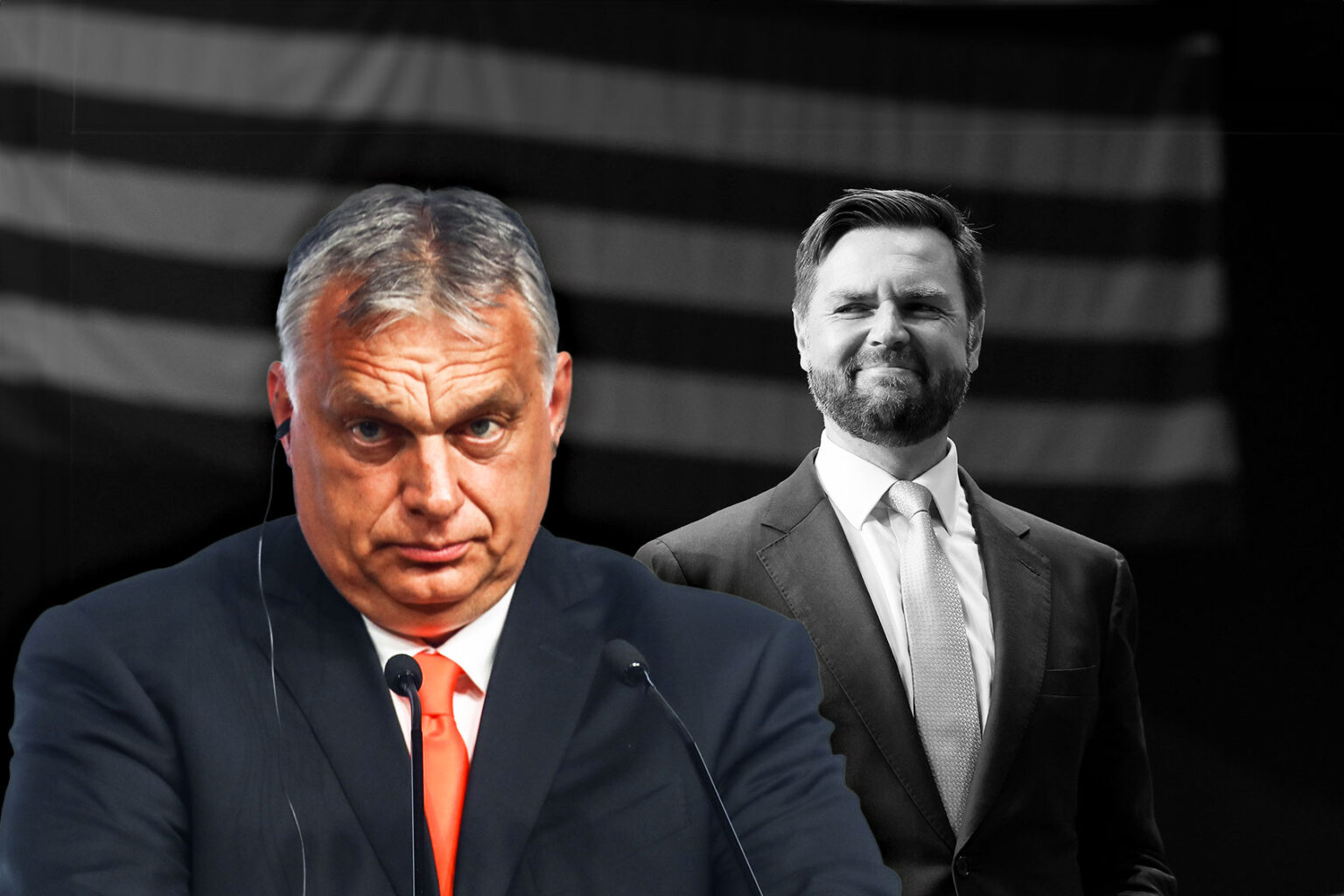
U.S. Vice President JD Vance has faced a significant diplomatic setback in Eastern Europe after his high-profile effort to support Hungarian Prime Minister Viktor Orbán ended in the latter’s electoral defeat. Despite a targeted campaign visit to Budapest designed to bolster the long-serving leader, Vance later indicated he was not surprised by the outcome of the election.
The visit, which marked the first top-level U.S. Visit to Hungary in 20 years, was intended as a “ringing endorsement” of Orbán. Standing beside the prime minister, Vance stated he was in Budapest “to assist him in this campaign cycle,” though he maintained that the United States would “work with whoever wins this election” BBC News.
The political gamble failed to sway the electorate. Orbán, who had held office for 16 years, faced his toughest challenge in nearly four decades, ultimately losing to his main rival, Péter Magyar. Magyar’s Tisza party had been leading in most opinion polls prior to the vote, and the candidate responded to Vance’s visit by asserting that his own party would continue to view the U.S. As a prominent economic and Nato partner BBC News.
The defeat of Viktor Orbán represents a shift in the regional political landscape, particularly for the Trump administration’s allies in Europe. Orbán has been a key European partner for the U.S. Administration and is noted as being Russian President Vladimir Putin’s closest partner within the European Union BBC News.
Vance’s Campaign Intervention and Attacks on the EU
During his visit, Vice President Vance did not limit his remarks to supporting Orbán; he used the platform to launch a series of blistering attacks on the European Union and the bureaucracy in Brussels. Vance accused the EU of engaging in “one of the worst examples of foreign election interference that I have ever seen or ever even read about,” claiming the interference was driven by the EU’s dislike of Orbán BBC News.

Vance further characterized the actions of the Brussels bureaucracy as “truly disgraceful,” suggesting that this interference was a primary motivation for his trip to Budapest to shore up support for the Hungarian prime minister BBC News.
The Vice President’s rhetoric extended to Ukraine and its leadership. In a speech delivered at a Hungarian university, Vance condemned comments made by Ukrainian President Volodymyr Zelenskyy regarding Orbán, describing them as “completely scandalous” Al Jazeera.
Strained Relations: Hungary, Ukraine, and the EU
The election campaign took place against a backdrop of severely strained relations between Budapest and Kyiv. The Hungarian government had accused Ukraine of deliberately obstructing the flow of Russian oil through the Druzhba pipeline to influence the election outcome Al Jazeera.
Kyiv denied these accusations, stating that the pipeline had been damaged by a Russian drone attack in late January and that repairs were being conducted as quickly as possible Al Jazeera.
In response to these tensions, Hungary blocked a 90-billion-euro ($105bn) EU loan intended for Ukraine Al Jazeera. This move prompted President Zelenskyy to make remarks that he suggested could lead the Ukrainian army to “speak with him in their own language,” comments that Vance later echoed as being scandalous Al Jazeera.
Key Timeline of Events
| Date | Event |
|---|---|
| April 8, 2026 | JD Vance speaks at a Hungarian university, calling Zelenskyy’s remarks “completely scandalous” Al Jazeera. |
| Pre-April 12 | Vance and his wife, Usha, arrive in Budapest for the first top-level U.S. Visit to Hungary in 20 years BBC News. |
| April 12, 2026 | Hungarian elections are held; Viktor Orbán is defeated BBC News. |
Diplomatic Implications of the Defeat
The defeat of Viktor Orbán marks the end of a 16-year tenure characterized by a gradual drift away from EU norms and a closer alignment with the Trump administration and Russia. Foreign Minister Péter Szijjártó had previously claimed that the friendship between Orbán and Donald Trump had ushered in a “new golden age” in bilateral relations BBC News.
For Vice President Vance, the outcome serves as a stark contrast to his public efforts to shore up Orbán’s support. While Vance expressed that he was not surprised by the defeat, the intervention highlights the challenges of projecting U.S. Political influence within the internal democratic processes of EU member states.
The transition to a government led by Péter Magyar and the Tisza party may signal a shift in how Hungary interacts with the European Union and Ukraine, though Magyar has maintained that the U.S. Will remain a primary partner in both economic and security capacities BBC News.
With the election concluded and Orbán’s tenure ended, the international community now looks toward the formal transition of power in Budapest and how the new administration will handle the frozen EU loans and the ongoing conflict in Ukraine.
We welcome your thoughts and analysis on this shift in European politics in the comments below. Please share this report with your network to keep the global conversation going.
Worth a look