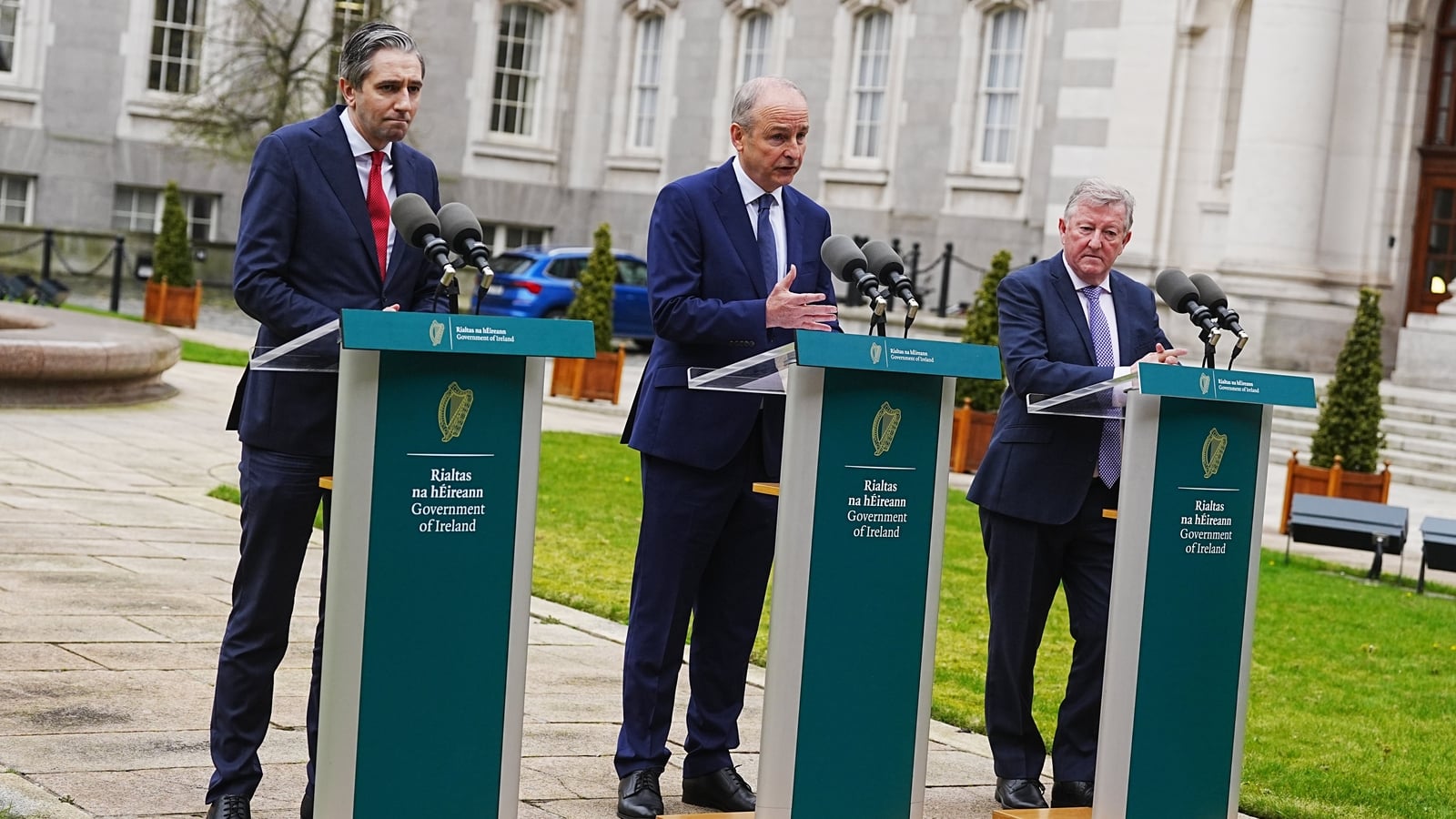
The Irish government is facing a critical test of its stability as the Dáil prepares to vote on a confidence motion following a period of intense civil unrest and political volatility. This high-stakes legislative move comes amid escalating opposition criticism regarding the administration’s handling of widespread fuel protests that have paralyzed key transport arteries and disrupted the national supply chain.
The motion for a confidence vote in the Irish government arrives as the state grapples with the fallout of demonstrations led by hauliers and agricultural contractors. These protesters have targeted the country’s energy infrastructure, including the blockade of the state’s only oil refinery, causing significant economic friction and prompting calls for immediate government intervention to stabilize fuel costs.
Tensions have peaked following the Dáil’s Easter break, with opposition members arguing that the government’s response to the crisis has been insufficient. The protests, which were triggered by rising fuel prices linked to the war in Iran, have evolved from slow-moving motorway convoys into strategic blockades of fuel depots and city centers, leading to a political environment where the government’s mandate is now being formally challenged.
The current instability is rooted in a series of disruptive actions that began on a Tuesday, eventually expanding to include the restriction of access to Dublin’s busiest streets and the occupation of O’Connell Street and O’Connell Bridge as reported by The Irish Times. With the Dáil now reconvening, the confidence motion serves as a formal mechanism for the opposition to hold the executive accountable for the resulting chaos.
The Escalation of Fuel Protests and Infrastructure Blockades
The crisis began with a series of coordinated protests by hauliers and agricultural contractors who sought government action to combat rising fuel costs. What started as slow-moving convoys on motorways quickly escalated into a more aggressive strategy of targeting critical infrastructure. Protesters successfully restricted access to the Whitegate oil refinery in Co Cork—the only refinery in the state—as well as fuel depots in Foynes, Co Limerick and Galway City according to Dublin Live.
These blockades have had a direct impact on the availability of fuel, with some forecourts risking running dry. The disruptions extended to major transport routes, including the M50, M7, M11, N18, M8, and N28, while public transport links such as Dublin Bus and the Luas were severely hampered. The government has condemned these actions, with the Taoiseach describing the blockade of the refinery as an “act of national sabotage.”
Minister for Transport Darragh O’Brien has been vocal in his criticism of the demonstrations, stating that “unlawful activity carries consequences under the law.” O’Brien argued that the disruption was caused by a small group of protesters and emphasized that decision-making for the state cannot be dictated by an “unelected group,” particularly when such actions threaten the livelihoods of citizens and the operation of essential businesses.
Expanding Demands and Political Deadlock
As the protests entered their fourth day, the demonstrators expanded their list of demands, moving beyond simple requests for fuel price relief. A spokesman for the protesters indicated that while they would allow “more fuel” to be released on Friday, their requirements for a full cessation of protests now include:
- The removal of the carbon tax from green diesel.
- The implementation of a cap on fuel prices.
- The commencement of oil exploration off the west coast of Ireland.
- The formal recall of the Dáil to session by Friday as detailed by Dublin Live.
The government’s position has remained firm, with leaders characterizing the protests as “wrong” and stating that the blockades were effectively holding the country to “ransom.” Despite this, the administration has maintained that it will continue to engage with industry representative groups to address the impact of the war in Iran on fuel costs. This tension between the government’s refusal to yield to “unlawful” demands and the opposition’s view that the government has failed to manage the crisis has created the catalyst for the current no-confidence motion.
Impact on Public Services and National Security
The scale of the disruptions has raised serious concerns regarding national security and public safety. The blockade of fuel depots, which supply approximately half of the country, led to reports of panic buying at forecourts and disrupted the delivery of key supplies necessary for animal welfare on farms.
the restriction of access to major city thoroughfares and motorways impacted emergency services, creating a situation where the government felt compelled to prioritize the restoration of order over immediate concessions. The conflict has highlighted a deep divide between the agricultural and transport sectors and the state’s environmental and fiscal policies, particularly regarding the carbon tax.
Key Timeline of Events
| Event | Action/Detail | Impact |
|---|---|---|
| Tuesday (Initial Start) | Hauliers and contractors begin protests | Slow-moving convoys on motorways |
| Wednesday/Thursday | Blockades of Whitegate Refinery and depots | Fuel supply disrupted; O’Connell St occupied |
| Friday (Demands) | Protesters add oil exploration to demands | Pressure for Dáil return and carbon tax removal |
| April 14, 2026 | Confidence vote scheduled in the Dáil | Government stability put to a legislative test |
What the Confidence Vote Means for Ireland
A vote of no confidence is one of the most severe challenges a government can face in a parliamentary system. If the motion passes, it typically signals that the government no longer possesses the support of the Dáil, which could lead to the resignation of the Taoiseach and the cabinet, or the calling of a general election.

The opposition’s strategy is to link the government’s perceived failure to maintain public order and ensure energy security with a broader lack of leadership. By forcing a vote, they aim to capitalize on the public frustration caused by traffic gridlock and fuel shortages. For the government, surviving the vote is essential to maintain legitimacy and continue implementing their policy agenda without the threat of immediate collapse.
The outcome of this vote will likely depend on the cohesion of the governing coalition and whether any independent TDs (Teachta Dála) decide to switch their support in response to the unrest. The government’s ability to frame the protests as “sabotage” versus the opposition’s framing of “governmental incompetence” will be the central narrative battle in the chamber.
The next confirmed checkpoint is the formal vote on the confidence motion in the Dáil, which is scheduled to take place later today. We will continue to monitor the proceedings and provide updates as the results are announced.
World Today Journal encourages readers to share this report and exit comments below regarding their perspectives on the intersection of civil protest and parliamentary stability.
Worth a look