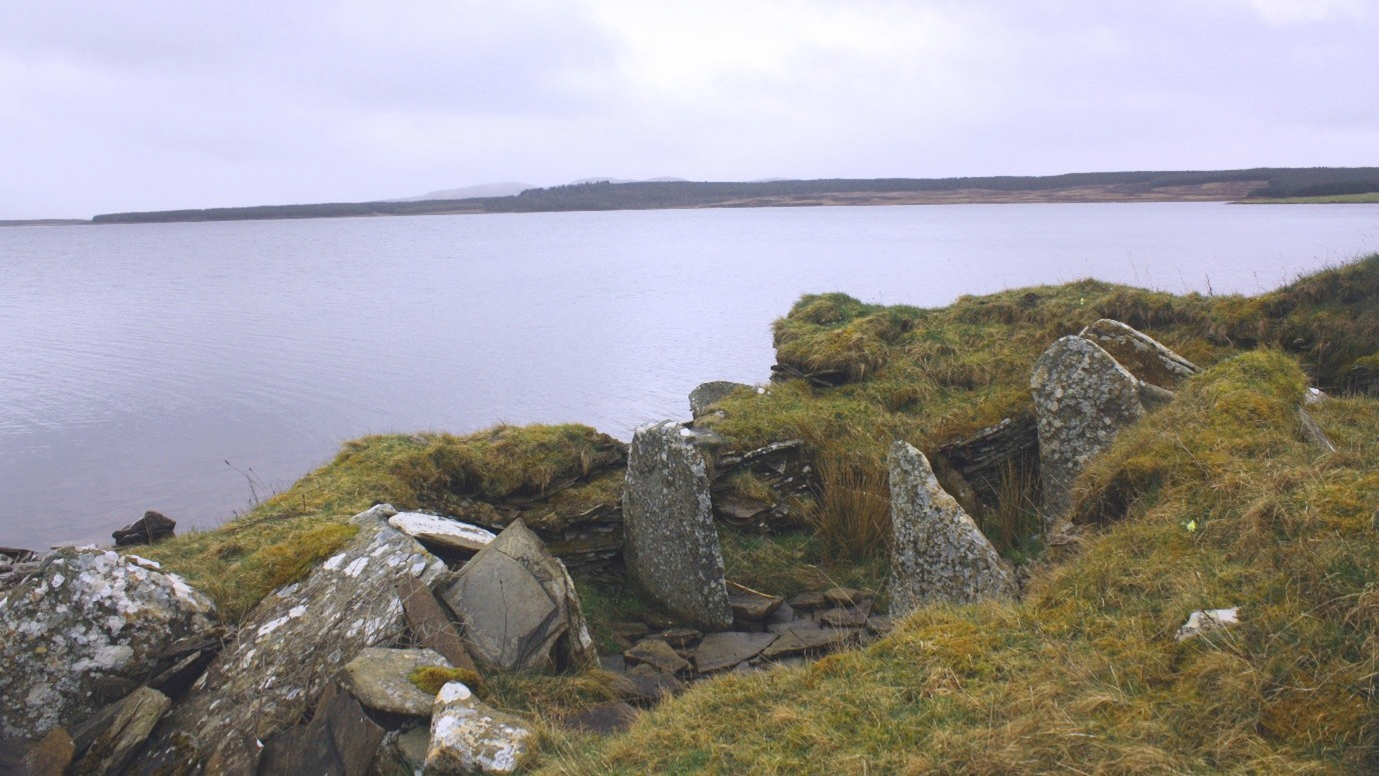
The silent corridors of Scotland’s prehistoric landscape are speaking again, providing a rare glimpse into the social structures of the distant past. Recent genomic research into Stone Age tombs in Scotland reveal ‘webs of descent’ among male relatives, suggesting that these ancient burial sites were not merely repositories for the dead, but carefully managed markers of kinship and lineage.
By analyzing DNA from skeletons recovered from these ancient sites, researchers have uncovered how Neolithic communities organized their burials. The findings indicate a complex social system where specific tombs were reserved for closely related males, reflecting a structured approach to ancestry and territorial identity that persisted across generations.
This discovery shifts our understanding of the Stone Age from a period of simple survival to one of sophisticated social stratification. The ability to identify these “webs of descent” allows historians and geneticists to map the movement of people and the stability of family units in a landscape that was once wild and undocumented.
Decoding the Genetic Architecture of Neolithic Scotland
The use of advanced DNA sequencing on skeletal remains has transformed the study of the Neolithic period. In Scotland, the discovery of male-centric kinship patterns within specific tombs suggests a patrilineal system of descent. In other words that the right to be buried in certain ancestral monuments was likely passed down from fathers to sons, creating a physical and spiritual link between the living and their ancestors.
These “webs of descent” are not just biological curiosities; they are evidence of how early humans conceptualized power and belonging. By restricting burial access to specific male lineages, these communities may have been asserting claims to land, resources, and social status. The tombs served as permanent anchors in the landscape, signaling to others that a specific family had deep, ancestral roots in the region.
This genetic mapping is part of a broader effort to understand the transition into the Bronze Age. Although the Stone Age findings highlight stable male lineages, subsequent research into ancient cemeteries in Great Britain’s Bronze Age has continued to reveal surprises about how populations shifted and evolved over thousands of years.
The Role of Kinship in Ancient Burial Practices
The organization of the dead in Stone Age Scotland reveals a deliberate strategy of exclusion and inclusion. The presence of closely related male relatives in the same tomb suggests that these sites were familial shrines. This contrasts with more egalitarian burial practices seen in other parts of the world or different eras, where burials were based on community status rather than strict genetic lineage.
From a public health and anthropological perspective, the study of these remains provides data on the diet, health, and migration patterns of the inhabitants. When we see “webs of descent,” we are seeing the biological manifestation of a social contract. The commitment to bury relatives together indicates a high level of social cohesion and a shared belief system regarding the afterlife and the importance of ancestry.
The precision of this DNA work as well allows researchers to contrast these male-led lineages with the experiences of women in the ancient world. For example, while Stone Age tombs highlight male descent, later reconstructions, such as those of a Bronze Age woman who lived in Scotland 4,000 years ago, provides a more holistic view of the demographic makeup of the region.
Key Implications of the Research
- Social Hierarchy: The evidence suggests a transition toward more stratified societies where lineage determined status.
- Territoriality: Ancestral tombs likely served as “deeds” to the land, proving a family’s long-term presence.
- Genetic Continuity: The “webs of descent” show that certain male lines remained dominant in specific areas for extended periods.
- Cultural Evolution: These practices set the stage for the more complex social structures seen in the subsequent Bronze Age.
Why This Matters Today
Understanding the genomic history of Scotland helps us understand the broader human story of migration and adaptation. For those of us in the medical and scientific community, the ability to extract viable DNA from thousands-of-years-old bone is a testament to the innovation in biotechnology. These techniques, while used here for archaeology, are the same foundations used in modern forensic medicine and personalized healthcare.

these findings challenge the notion that “primitive” societies lacked complex social organization. The deliberate nature of these burials—the selection of who entered the tomb and who was left out—demonstrates a sophisticated understanding of genealogy and social engineering.
As we continue to uncover more skeletons and sequence more genomes, the map of ancient Scotland becomes clearer. We are moving away from guesswork and toward a data-driven understanding of how the first farmers and builders in the region viewed their families and their place in the world.
The ongoing analysis of these sites will likely continue to yield new data as sequencing technology improves, potentially revealing more about the female lineages and the interactions between different kinship groups across the Scottish Highlands and Lowlands.
World Today Journal encourages readers to share this article and join the conversation in the comments below regarding the intersection of genetics and history.
Worth a look