
United States Vice President JD Vance has declared that Washington has made “significant progress” in diplomatic discussions with Iran, though he maintains that the responsibility for a final breakthrough now rests entirely with Tehran. Speaking on the current state of diplomacy, Vance stated that “the ball is now in Iran’s court” regarding any future negotiations following talks in Islamabad.
The diplomatic push comes amid a period of heightened tension, characterized by a dual approach of high-level dialogue and aggressive military pressure. Whereas the U.S. Administration seeks a comprehensive agreement, the U.S. Navy has already initiated a blockade of Iranian ports to exert maximum pressure on the Iranian leadership as of April 14, 2026.
At the heart of the current impasse are three non-negotiable U.S. Demands: a guaranteed ceasefire, the complete opening of the Strait of Hormuz, and strict control over Iran’s enriched uranium. The administration has signaled that while the door remains open for negotiations, the terms of any deal will be predicated on Tehran’s willingness to meet these specific security and nuclear requirements.
The Islamabad Talks: Progress and Deadlocks
Recent negotiations held in Islamabad were described by Vice President Vance as a positive step, primarily because of the level of seniority of the Iranian officials involved. However, these talks concluded without a signed agreement. According to Vance, the primary obstacle was the lack of authority held by the Iranian negotiators, who were unable to finalize terms without returning to Tehran to secure the approval of the Supreme Leader or other high-ranking authorities per a Fox News interview.
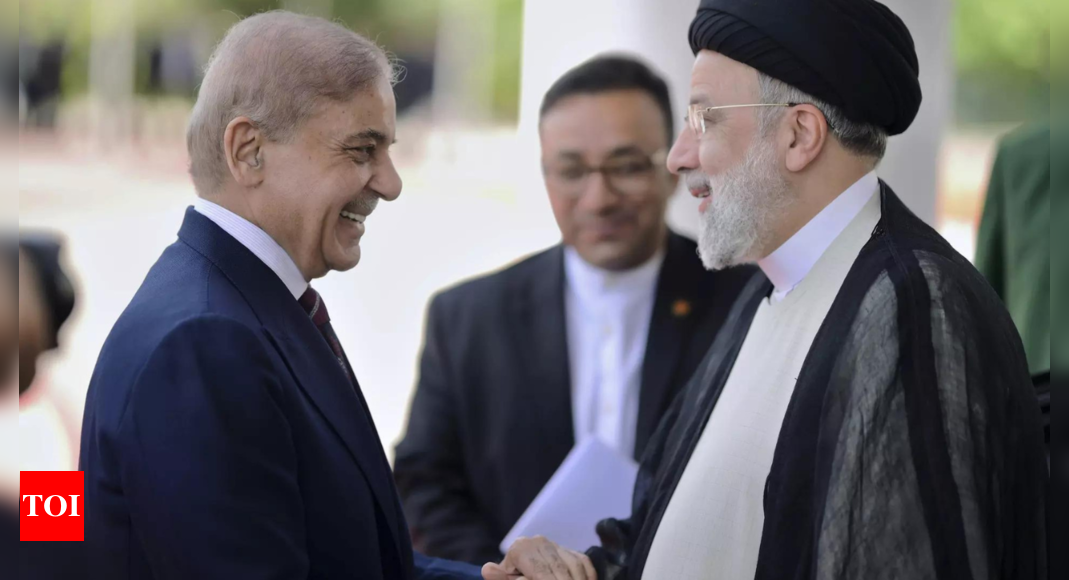
Despite the lack of a formal deal, Washington views the Islamabad process as a validation that dialogue is possible. The U.S. Is now waiting for a response from Tehran that demonstrates a tangible commitment to the requested concessions. Reports from Bloomberg indicate that both the United States and Iran are currently considering a second meeting in an effort to revive ceasefire discussions as of mid-April 2026.
Nuclear Red Lines and ‘Economic Terrorism’
A central pillar of the U.S. Strategy is the total neutralization of Iran’s nuclear capabilities. Vance has been explicit about Washington’s “red lines,” stating that Iran must be a “normal country” and must not seek to possess nuclear weapons. The U.S. Has formally notified Iranian officials that they are expected to remove nuclear materials from the country entirely as stated by the Vice President.
Beyond nuclear proliferation, the U.S. Is addressing what it terms “economic terrorism” directed by Iran against the global community. This rhetoric justifies the current naval blockade and the stringent economic measures intended to force Tehran back to the negotiating table. Vance warned that the nature of the negotiations would shift—likely becoming more restrictive or aggressive—if Iran fails to make progress on the opening of the Strait of Hormuz.
Strategic Obstacles: The Strait of Hormuz and Lebanon
The Strait of Hormuz remains one of the most volatile points of contention. As a critical chokepoint for global oil supplies, its closure or restriction represents a significant threat to international energy security. The U.S. Has made the reopening of the Strait a prerequisite for a ceasefire, though internal diplomatic records suggest that Washington previously attempted to postpone this specific issue to facilitate other parts of the deal according to reports from April 14, 2026.
Adding to the complexity is the regional situation in Lebanon. While Iran may seek to include Lebanese interests or security guarantees within a broader regional deal, the United States has explicitly refused to include Lebanon in the current package. This refusal has created a diplomatic friction point, as Tehran views its regional allies as integral to any sustainable peace agreement.
Key Demands and Current Status
| Demand | U.S. Position | Status |
|---|---|---|
| Strait of Hormuz | Full and immediate opening | Unresolved / Primary Condition |
| Nuclear Program | Removal of all nuclear materials | Red Line / Non-negotiable |
| Ceasefire | Immediate cessation of hostilities | Under Discussion |
| Lebanon | Excluded from the deal | Point of Contention |
As the U.S. Navy maintains its blockade of Iranian ports, the international community remains watchful. The administration’s strategy is clear: combine severe economic and military pressure with a narrow diplomatic window. The success of this approach now depends on whether the Supreme Leader in Tehran views the cost of the blockade as higher than the cost of meeting Washington’s demands.
The next critical milestone will be the confirmation of a second meeting between U.S. And Iranian officials to revive the ceasefire talks. Official updates on the scheduling of this meeting are expected from the State Department.
Do you believe the combination of naval blockades and diplomacy is the most effective way to resolve the nuclear standoff? Share your thoughts in the comments below.
Worth a look