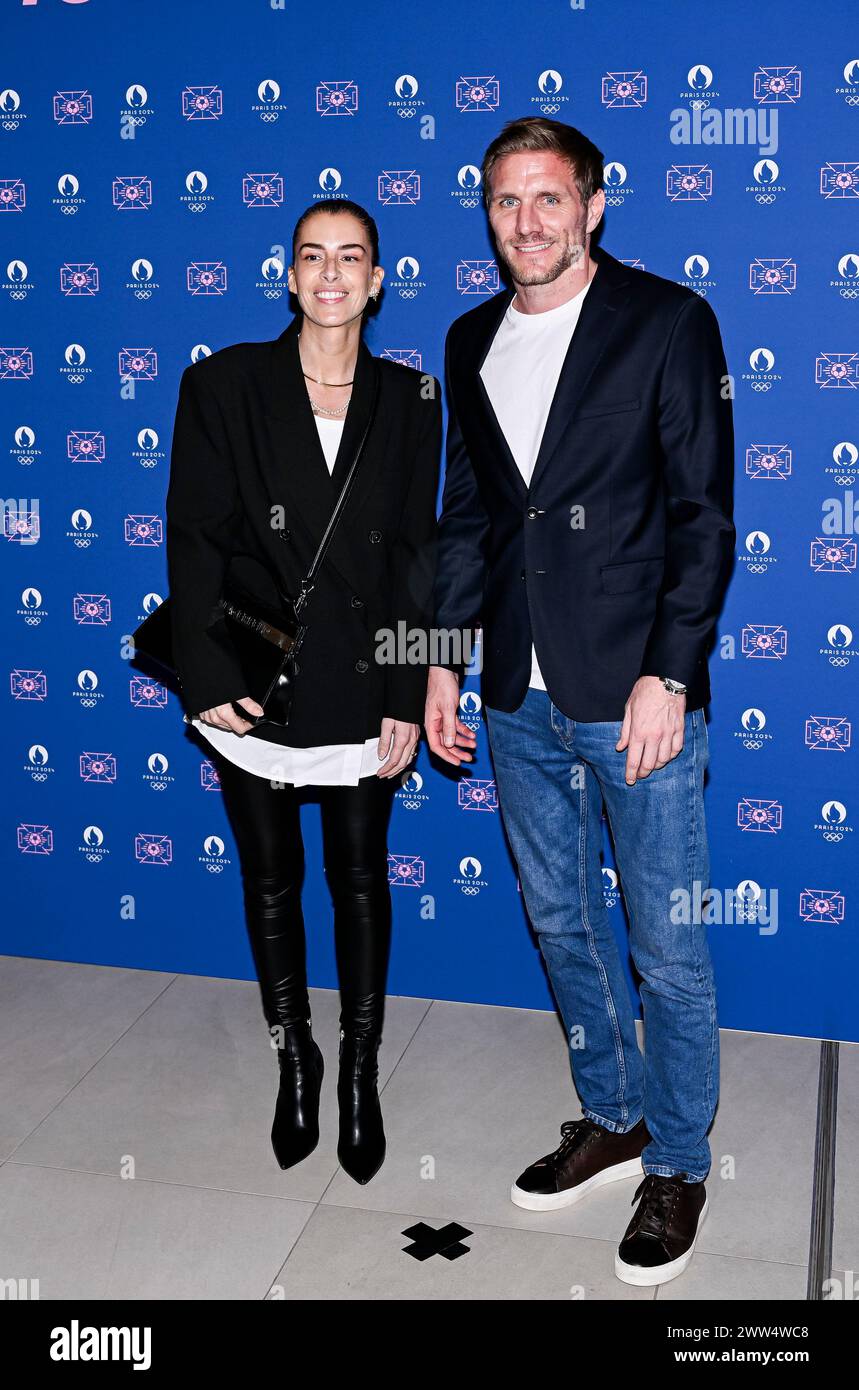
In the high-stakes world of sports broadcasting, few faces are as recognizable in French football as Vanessa Le Moigne. A seasoned TV host and journalist, Le Moigne has carved out a significant space for herself within the male-dominated sphere of football analysis, primarily through her work with beIN Sports.
However, the trajectory of her career has recently been marked by a difficult intersection of professional passion and personal toll. While her rise in the industry was fueled by a deep-rooted family connection to the craft, a wave of cyberharassment following a major international tournament has forced her to re-evaluate her relationship with the sport she loves.
The story of Vanessa Le Moigne is not just one of professional achievement, but a reflection of the modern challenges facing women in sports media. From the influence of her father to the volatility of social media, her journey highlights the resilience required to navigate the pressures of global football coverage.
The Influence of Family and the Path to Journalism
For Le Moigne, the decision to enter sports journalism was not a random choice but a legacy. She has openly credited her father as the primary catalyst for her career, stating that she would never have entered the profession without his influence. This familial bond provided the foundation for her specialization in football, allowing her to transition from a passionate observer to a professional broadcaster.

Her expertise and presence on screen eventually led her to a prominent role as a TV host at beIN Sports, where she became a fixture of their football coverage. Her ability to analyze the game and manage live broadcasts earned her a following of over 171,000 people on Instagram, where she continues to share her professional journey (@vanessa_le_moigne).
The Impact of Cyberharassment and the CAN Finale
Despite her success, Le Moigne’s experience has been marred by the toxicity often found in digital sports spaces. The breaking point occurred following the Africa Cup of Nations (CAN) in January, specifically surrounding a controversial final. In the aftermath of the tournament, Le Moigne was targeted by a significant wave of cyberharassment.
The intensity of the online abuse led to a pivotal decision regarding her career. According to reports from L’Équipe, Le Moigne expressed that she no longer wished to cover football for beIN Sports following the polemic surrounding the CAN final. This decision underscores the severe impact that targeted online hate can have on journalists, regardless of their experience or standing in the industry.
The Psychological Toll of Online Abuse
Cyberharassment in sports journalism often targets women with a level of aggression that exceeds professional criticism. For Le Moigne, the “stop” she decided to implement was a necessary measure for her well-being. The transition from being a specialist in the field to stepping away from specific coverage reflects a growing trend where media professionals must prioritize mental health over the demands of a 24/7 news cycle.
Navigating the Future of Women in Sports Media
Vanessa Le Moigne’s situation serves as a case study for the broader challenges women face in the “beautiful game.” While visibility for female journalists has increased, the environment remains volatile. The contrast between her professional capabilities—verified by her role at a major network like beIN Sports—and the treatment she received online highlights a systemic gap in how female experts are perceived by certain segments of the sporting public.
As a journalist who specialized in football, Le Moigne’s expertise was an asset to the network, yet the external pressures of the digital age created an unsustainable working environment. Her story is now a point of reference for discussions regarding the protection of journalists and the need for stricter moderation of sports-related social media discourse.
Key Takeaways: Vanessa Le Moigne’s Career Shift
- Family Foundation: Her entry into sports journalism was heavily influenced and supported by her father.
- Professional Peak: Established herself as a prominent TV host and football specialist at beIN Sports.
- The Catalyst: Experienced severe cyberharassment following the Africa Cup of Nations (CAN) in January.
- The Decision: Opted to stop covering football for beIN Sports due to the toxicity of the online environment.
While the specific future of her broadcasting duties remains a matter of professional transition, the industry continues to watch how networks support their talent in the face of digital abuse. The case of Vanessa Le Moigne is a reminder that the passion for the game must be balanced with the safety and dignity of those reporting it.
We invite our readers to share their thoughts on the impact of social media on sports journalism in the comments below.