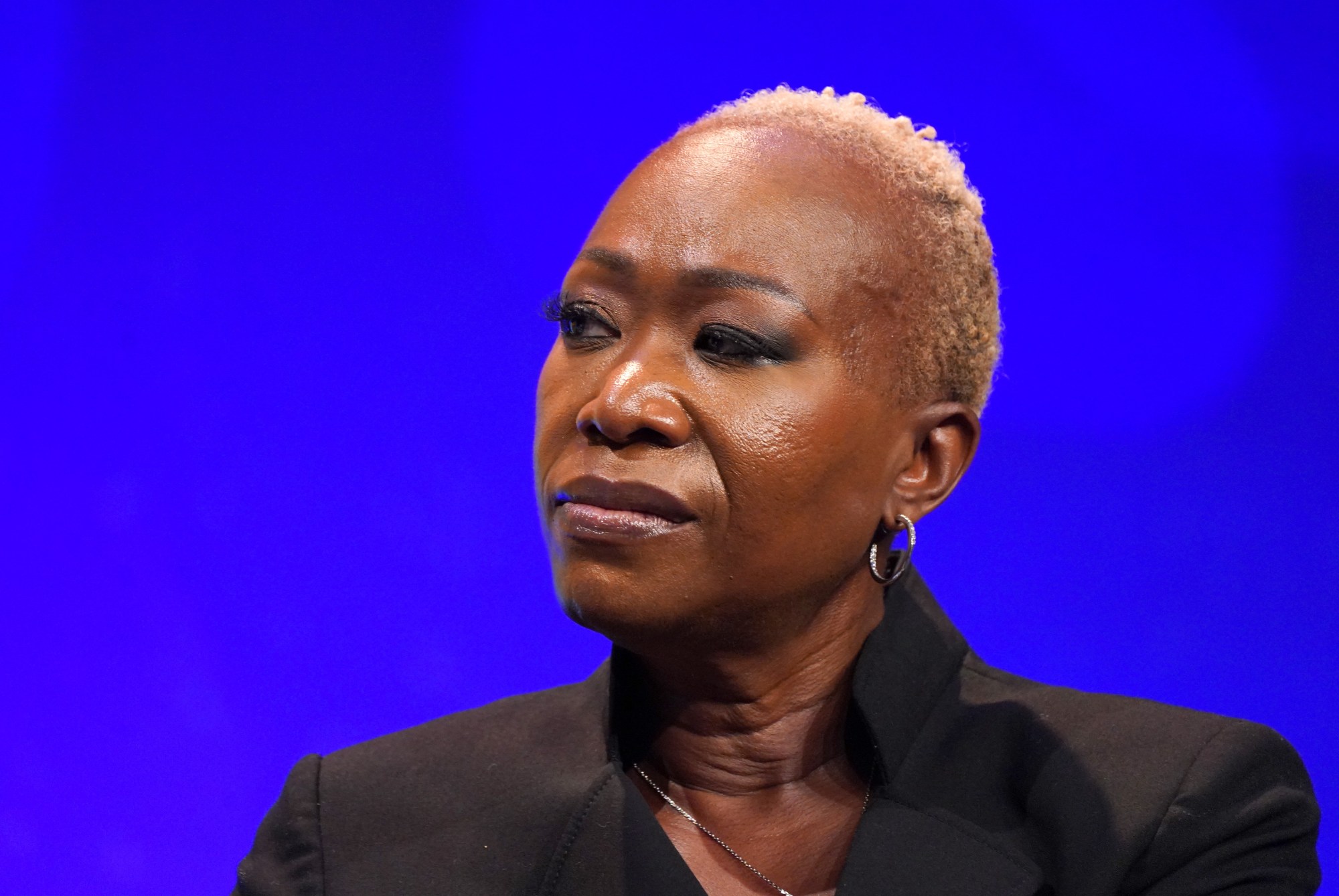
Vice President Vance and Joy Reid Clash Over Gratitude and American Opportunity
A recent exchange between Vice President J.D. Vance and MSNBC host Joy Reid has ignited a debate about gratitude, opportunity, and the experiences of Black Americans. It began with a tweet from Vance criticizing Reid’s commentary on American life, and quickly escalated into a public discussion with pointed accusations and personal reflections.
The Spark: A Tweet and a Response
Vance initially responded to a clip of Reid discussing her immigrant mother’s experiences with racism in the United States. He suggested Reid would be “happier” if she expressed more gratitude for the opportunities afforded to her in this contry, noting her financial success. He framed this as honest, non-trolling advice.
Reid swiftly responded,expressing surprise that the Vice President would focus on her comments while meaningful national issues,like the ongoing government shutdown,demand attention. She addressed the exchange in both a Threads post and a detailed Substack article, framing Vance’s critique as a deliberate attempt to target her.
Reid’s Perspective: A Pattern of Expectation
Reid’s Substack post directly addressed Vance’s comments, highlighting what she sees as a recurring expectation placed on Black individuals. She argued that there’s a prevalent ideology, particularly on the right, that Black people should demonstrate “gratitude” for thier success.
She explicitly rejected this notion, stating she doesn’t need advice from someone whose political alignment she disagrees with. Reid pointedly criticized Vance’s own path to success, suggesting it was substantially aided by financial backing and affirmative action policies.
A Deeper Dive into Vance’s Background
Reid’s response delved into Vance’s personal history, referencing reports detailing financial support from tech billionaire Peter Thiel. She also noted his own benefit from affirmative action during his time at Yale University, suggesting his success wasn’t solely self-made.
She contrasted this with her own career trajectory, emphasizing that she ”built [her] life and career the old fashioned way: on [her] own.” This distinction formed the core of her rebuttal, framing Vance’s call for gratitude as hypocritical.
The Broader Context: A History of Disagreement
This exchange isn’t isolated. Reid and Vance have previously clashed on issues like affirmative action and the fairness of elite college admissions. This latest dispute appears to be a continuation of their existing ideological differences.
Why This Matters: Examining expectations and Opportunity
This public disagreement raises important questions about the expectations placed on marginalized groups in America. It prompts a discussion about the complexities of opportunity, the impact of systemic racism, and the role of privilege in achieving success.
* The weight of gratitude: Why is gratitude often demanded of those who have overcome significant obstacles?
* Acknowledging systemic barriers: How do we balance individual achievement with the realities of systemic inequality?
* The role of privilege: how does access to resources and networks impact one’s path to success?
Ultimately, the exchange between Vice President Vance and Joy Reid serves as a reminder of the ongoing conversations surrounding race, opportunity, and the American dream.It highlights the diverse perspectives and experiences that shape our understanding of what it means to thrive in this country.
Related reading