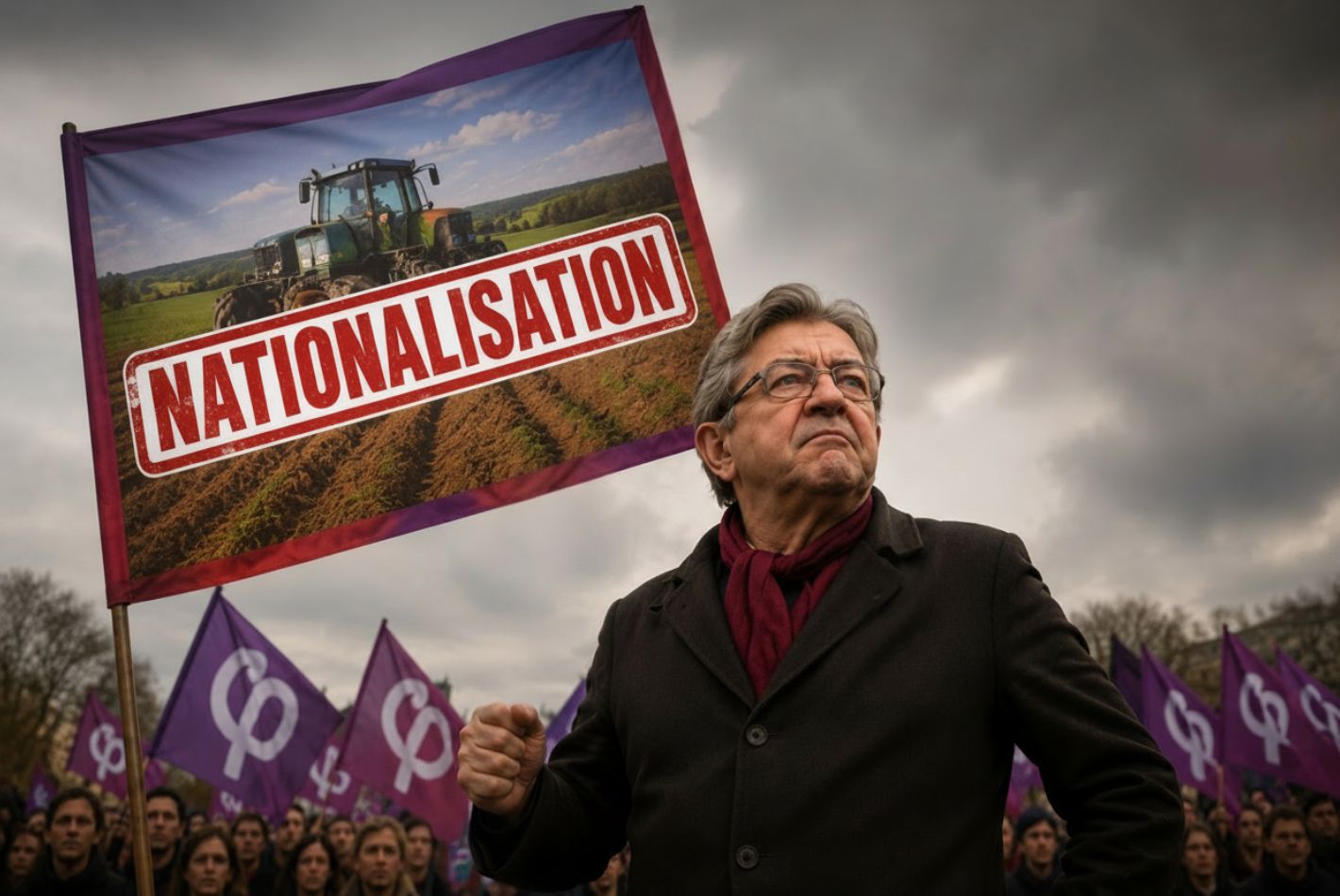
Jean-Luc Mélenchon, leader of the La France Insoumise (LFI) party, has proposed significant structural changes to the French agricultural sector, including suggestions for the potential nationalization of certain land assets to address ecological and economic challenges. These proposals, which surface periodically within the party’s broader “L’Avenir en commun” platform, aim to shift control over food production away from private interests and toward a state-managed model designed to prioritize food sovereignty and environmental standards.
The debate surrounding these proposals centers on the tension between traditional private land ownership and the state’s role in ensuring national food security. According to the official LFI platform, the party advocates for a “public pole” in agriculture, which would involve the creation of state-run entities to oversee land use and distribution, effectively limiting the influence of large-scale agribusiness and land speculation.
The Rationale Behind State Intervention
Proponents of the plan within the LFI argue that the current agricultural model in France is failing both farmers and consumers. By transitioning toward a more centralized system, the party suggests that the government could better control food prices and enforce strict agro-ecological transitions. Central to this vision is the concept of “protectionism” regarding food, which aims to shield French farmers from volatile global market prices and competition from imports that do not meet European environmental standards.
Under the proposed framework, the state would play an active role in land management, potentially through the expansion of the Sociétés d’aménagement foncier et d’établissement rural (SAFER), the existing public bodies that monitor land sales. The LFI platform suggests that these entities should be given expanded powers to preempt the sale of agricultural land to prevent it from being bought by financial investors or non-farming corporations, a move they claim would preserve the viability of small and medium-sized family farms.
Economic and Political Criticism
Critics of the proposal, including various agricultural unions and free-market economists, contend that state intervention would stifle innovation and lead to bureaucratic inefficiency. The French agricultural sector, which remains the largest in the European Union in terms of production value, relies heavily on private investment to maintain technological competitiveness, according to data from the French Ministry of Agriculture and Food Sovereignty.
Economists have raised concerns that nationalizing or heavily restricting land markets could lead to a decline in the value of agricultural assets, potentially harming the retirement plans of many farmers who rely on the sale of their land. Furthermore, there is skepticism regarding the state’s capacity to manage complex supply chains. Opponents argue that the market-driven model, while flawed, is more responsive to consumer demand and international trade fluctuations than a centrally planned system would be.
The Broader Context of French Food Policy
The discussion occurs against the backdrop of ongoing protests within the French agricultural sector, characterized by demands for better remuneration and reduced administrative burdens. While the LFI proposal for nationalization is distinct, it taps into a broader national sentiment regarding the need for “souveraineté alimentaire” (food sovereignty). This concept is not unique to the far-left; it has been championed by various political factions in France as a response to disruptions in global supply chains, such as those observed during the COVID-19 pandemic and the conflict in Ukraine.
The European Union’s Common Agricultural Policy (CAP) continues to provide the primary regulatory and financial framework for French farmers. Any shift toward a nationalized agricultural model would likely face significant legal hurdles, as member states are bound by EU competition laws and internal market regulations. Changes that restrict land ownership or mandate state management would require careful negotiation within the framework of European treaties, which generally favor the free movement of capital and goods.
What Happens Next
There is no current legislative bill before the National Assembly that mandates the nationalization of agricultural land. The proposals remain part of the ideological platform of the LFI and are subject to ongoing debate during electoral cycles and parliamentary committee hearings. The next major opportunity for these policy discussions to move into the legislative sphere will be the upcoming debates on the national budget and the multi-year agricultural orientation law, as outlined in the official calendar of the French National Assembly.
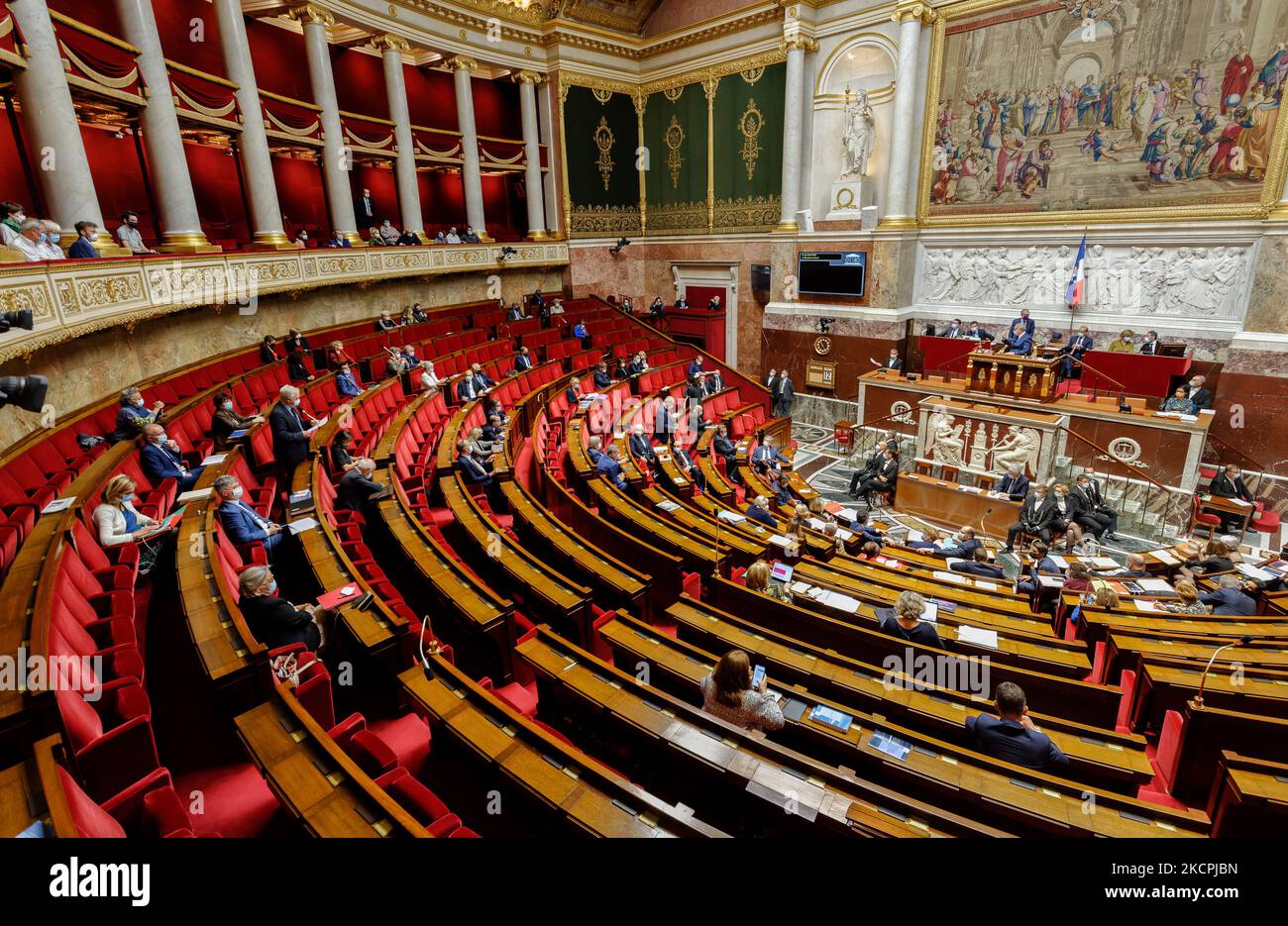
Readers interested in following the development of these policies can monitor the official proceedings of the Economic Affairs Committee of the French National Assembly. As the agricultural debate continues to evolve, the distinction between state-led sustainability goals and private sector property rights will remain a focal point of French political discourse. We welcome your thoughts on the future of agricultural policy in France in the comments section below.
Worth a look