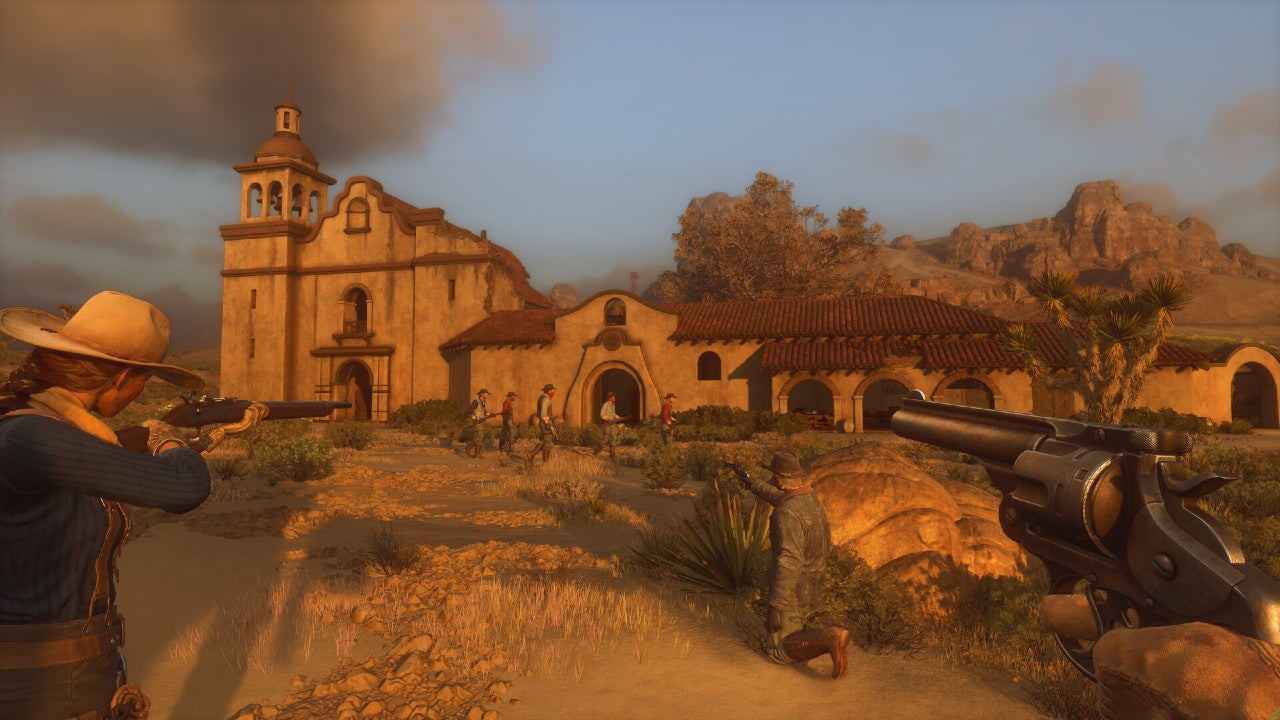
The line between creative vision and public reception is often fraught with tension in the video game industry and Jeff Kaplan, a veteran developer known for his work on Overwatch, is currently navigating that challenge. Kaplan, who departed Blizzard Entertainment in 2021, is now at the helm of a novel independent studio and its debut project, The Legend of California, a survival game set in the Wild West. The game has faced criticism regarding its visual style and gameplay, prompting a robust defense from Kaplan and a broader conversation about the nature of feedback within gaming communities.
Kaplan’s career has been deeply intertwined with the success of team-based hero shooter Overwatch. He joined Blizzard in 2003 and served as game director for Overwatch, a role that saw the game become a global phenomenon and a mainstay in esports. His departure from Blizzard in April 2021, occurring amidst a period of significant upheaval at the company related to workplace culture allegations, was described by Kaplan himself as a difficult decision. He later elaborated on the circumstances surrounding his exit, characterizing it as a moment of asserting his creative independence. In a 2022 interview with PC Gamer, Kaplan stated his exit was “the biggest f**k you moment I’ve had in my career.”
A New Frontier and Initial Reactions
The Legend of California represents a significant departure for Kaplan, moving away from the polished, team-based gameplay of Overwatch towards a more open-world, survival-focused experience. The game, currently in development, aims to immerse players in a harsh and unforgiving depiction of the American West. The game is being developed independently, allowing Kaplan greater creative control. The project was revealed after a period of relative silence following his departure from Blizzard, generating considerable interest within the gaming community. However, the initial reveal of gameplay footage sparked a wave of criticism, primarily centered around the game’s visual aesthetic and perceived lack of polish.
In response to the negative feedback, Kaplan took the unusual step of broadcasting a 10-hour gameplay stream on Twitch, intending to directly engage with players and address their concerns. This move signaled his willingness to defend his creative vision and foster a dialogue with the community. Despite this effort, criticism persisted, leading Kaplan to reflect on the often-contentious relationship between game developers and their audiences. The stream, intended as a demonstration of the game’s potential, instead became a focal point for further debate and scrutiny.
“If You Don’t Want to Play It, Don’t Play It”
Kaplan’s response to the criticism has been direct and, at times, provocative. He reportedly described the negative reactions as “a tantrum from the nerds,” a statement that further fueled the controversy. However, his core argument centers on the unrealistic expectation that any single game can satisfy everyone. He contends that it is illogical for individuals to express hostility towards a project they have no intention of trying. “If you don’t want to play it, don’t play it,” he stated, emphasizing the importance of distinguishing between constructive criticism from engaged players and hostile reactions from those who haven’t experienced the game firsthand. This sentiment highlights a growing frustration among developers regarding the often-unfiltered and sometimes aggressive nature of online gaming communities.
Kaplan also criticized what he perceives as a culture of discontent prevalent in some online spaces, where negative comments often garner more attention than constructive feedback. He argues that such aggressive commentary rarely leads to meaningful changes in the development process, as designers tend to disregard it. This observation speaks to a broader issue within the industry: the challenge of navigating player feedback and prioritizing changes that genuinely improve the game without being swayed by vocal minorities or unproductive negativity. The accessibility of social media and online forums has amplified both positive and negative voices, creating a complex landscape for developers to navigate.
The Challenges of Modern Game Development and Community Engagement
The situation surrounding The Legend of California underscores the evolving dynamics between game developers and their communities. The rise of early access programs, crowdfunding, and direct developer-to-player communication channels has created both opportunities and challenges. Although these tools can foster a sense of collaboration and transparency, they also expose developers to a constant stream of feedback, much of which can be harsh or unproductive. The pressure to respond to every comment and address every concern can be overwhelming, and the line between constructive criticism and outright negativity can be difficult to discern.
The debate also touches upon the subjective nature of artistic expression. Game development, like any creative endeavor, involves making choices that will inevitably appeal to some and alienate others. Kaplan’s willingness to defend his vision, even in the face of criticism, reflects a commitment to his artistic integrity. However, it also highlights the importance of understanding and responding to player expectations, particularly in a market where consumers have more choices than ever before. The success of a game often depends on finding a balance between creative vision and market demand.
With the anticipated early access release of The Legend of California later this year, Kaplan aims not only to showcase his new game but also to address the broader challenges facing the gaming industry. The game is slated for release on Steam, according to information available on various gaming news sites. Polygon.com reported on the game’s development and Kaplan’s previous work at Blizzard. The game’s reception will likely serve as a case study for how developers can navigate the complexities of community engagement and defend their creative choices in an increasingly vocal and demanding online environment.
Key Takeaways
- Jeff Kaplan, former game director of Overwatch, is now leading an independent studio developing The Legend of California.
- The game has received criticism for its visual style and gameplay, prompting a strong response from Kaplan.
- Kaplan argues that developers should not feel obligated to cater to every player’s preferences and that constructive criticism is valuable, while hostile reactions are not.
- The situation highlights the challenges of community engagement and the importance of balancing creative vision with player expectations in the modern gaming industry.
As The Legend of California approaches its early access launch, the gaming community will be watching closely to notice how Kaplan’s vision unfolds and how he continues to navigate the delicate balance between creative freedom and player feedback. Further updates on the game’s development and release date can be found on the game’s official website and social media channels. The conversation surrounding this game is likely to continue, offering valuable insights into the evolving relationship between game developers and their audiences.