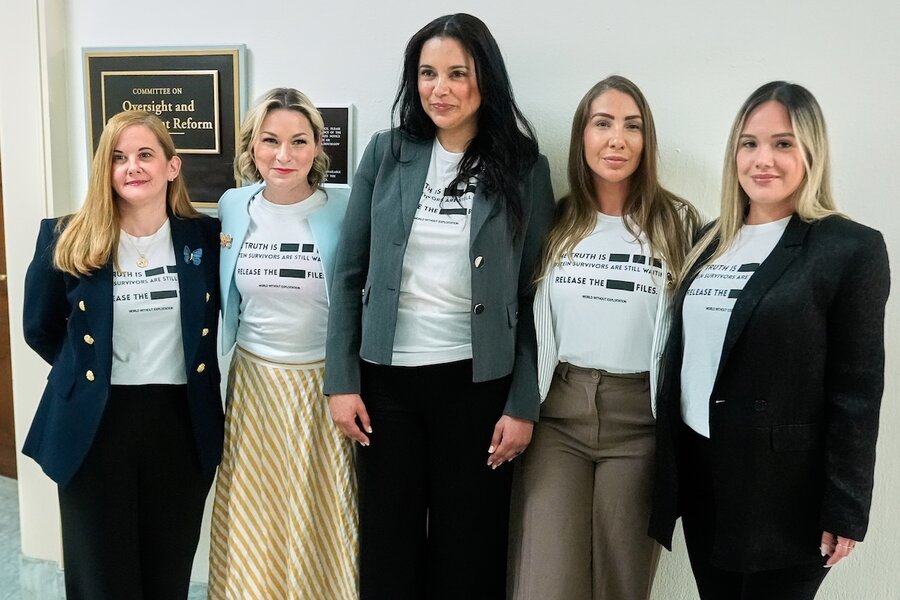
Years after the death of Jeffrey Epstein in a Manhattan federal detention center, the search for systemic accountability remains a volatile and unresolved chapter in American justice. While public pressure has occasionally forced a bipartisan consensus among lawmakers, the legislative efforts to uncover the full scope of the networks that enabled Epstein’s decades of sexual abuse have yielded minimal concrete results in terms of criminal culpability. For the survivors who have spent years testifying and seeking transparency, the lack of definitive progress in Congress serves as a stark reminder of the challenges inherent in holding powerful institutional actors to account.
The Epstein investigation and the pursuit of accountability have long been hampered by the complexities of the legal system and the sprawling, opaque nature of the financier’s connections. Despite numerous calls for a comprehensive federal inquiry into the failures that allowed his abuse to persist for years, lawmakers have struggled to move beyond high-level hearings and requests for documents. According to a report from the Department of Justice Office of the Inspector General, while internal reviews have identified significant procedural failures, the path toward broader criminal liability for his associates remains largely obstructed by statute of limitations issues and the death of the primary perpetrator.
For those watching from London and elsewhere, the situation underscores a recurring theme in international justice: the tension between the public’s demand for a full accounting of complicity and the institutional inertia that often protects those operating in the shadows. As survivors continue to speak out, the question remains whether the legislative branch possesses the political will, or the legal mandate, to do more than simply document the failures of the past.
The Limits of Congressional Oversight
Congressional efforts to investigate the Epstein case have primarily focused on the circumstances surrounding his 2019 death and the prior handling of his legal affairs. In 2023, for instance, members of the Senate Judiciary Committee pressed for more information regarding his 2008 non-prosecution agreement, a deal that has been widely criticized for its leniency. Yet, as noted by the Senate Judiciary Committee, legislative bodies are fundamentally limited in their ability to prosecute individuals. Their power lies in oversight, subpoena authority and the ability to demand transparency from executive agencies, rather than in the direct pursuit of criminal charges.
This structural limitation often leads to frustration among survivors. When lawmakers request testimony or internal communications, they are frequently met with claims of executive privilege or assertions that ongoing investigations preclude the release of sensitive materials. This cycle of requests and refusals has become a hallmark of the investigation, leaving the public with a fragmented picture of how Epstein was able to maintain his influence for so long. The lack of a unified, comprehensive federal report has only served to fuel further speculation and distrust in the institutions tasked with oversight.
Survivor Advocacy and the Fight for Transparency
The driving force behind any movement on this issue has consistently been the survivors themselves. Their willingness to share their stories in public forums, such as the Southern District of New York federal court proceedings, has kept the case in the public consciousness. However, there is a palpable sense that the legal system is better equipped to handle individual cases of abuse than it is to dismantle the underlying networks that facilitate such crimes. Survivors have frequently argued that without a formal, independent commission, the broader truth about Epstein’s associates will remain buried.

The impact of this ongoing struggle extends far beyond the courtroom. It has forced a national conversation about the intersection of wealth, power, and the protection of vulnerable individuals. In recent years, various advocacy groups have pushed for legislative reforms aimed at strengthening the rights of victims in sex trafficking cases, including the Ending Forced Arbitration of Sexual Assault and Sexual Harassment Act of 2021. While these represent tangible progress, they are viewed by many as reactive measures rather than the systemic overhaul that the Epstein case demands.
What Lies Ahead in the Search for Answers
As the investigation stalls in the halls of Congress, the focus is shifting toward the remaining civil litigation and the potential for new evidence to emerge through discovery processes. These legal avenues are often more effective at unearthing documents than the political process, as they are governed by the rules of evidence and the oversight of federal judges. For those seeking accountability, the courtroom remains the most likely, albeit arduous, path forward.
The next major checkpoint in the broader effort to address the fallout of the Epstein case will likely involve the release of further unsealed court documents, which have periodically provided new details about the individuals who moved within his orbit. As these documents are processed and analyzed, they will continue to provide the raw material for journalists and investigators alike. The pursuit of truth is a unhurried process, but for the survivors, it is the only one that offers the possibility of genuine closure.
The situation remains fluid, and we will continue to monitor any updates regarding new hearings or official reports. If you have been following these developments or have insights into the ongoing legislative discussions, we invite you to share your thoughts in the comments below. Your perspective is a vital part of the global conversation on justice, and accountability.
Related reading