Maintaining the rigorous standards of animal husbandry is a cornerstone of agricultural sustainability, particularly in regions where the local economy is deeply intertwined with livestock production. In Jeju, South Korea, this commitment to professional excellence was recently underscored by a targeted educational initiative aimed at the island’s livestock professionals.
The Seogwipo Livestock Cooperatives Association has officially conducted its group refresher training for livestock workers for the first half of 2026. The session, held on May 6, took place at the association’s Livestock Products Plaza meeting room, bringing together industry practitioners to align their operations with current regulatory frameworks and best practices in animal care.
Led by President Kim Yong-kwan, the initiative reflects a broader strategic effort to professionalize the livestock sector in Seogwipo. By focusing on mandatory continuing education, the association ensures that those engaged in the industry remain current on safety protocols, disease prevention, and the evolving legal requirements governing livestock management in South Korea.
The Strategic Importance of Livestock Worker Training in Seogwipo
For the livestock industry in Jeju, professional development is not merely a suggestion but a regulatory necessity. The “refresher training” (보수교육) system is designed to prevent knowledge gaps that could lead to operational inefficiencies or, more critically, breaches in bio-security and animal welfare standards.
The Seogwipo Livestock Cooperatives Association serves as a vital intermediary between government mandates and the practical realities of farming. By hosting these sessions at the Livestock Products Plaza, the association provides a centralized hub where farmers and technicians can transition from theoretical regulations to practical application. This localized approach is essential for ensuring that specific regional challenges—such as Jeju’s unique geography and climate—are addressed within the broader context of national agricultural policy.
The focus of such training typically encompasses a wide array of critical topics, including the latest in veterinary medicine, waste management regulations to protect Jeju’s groundwater, and the implementation of high-standard animal welfare practices. These elements are crucial for maintaining the competitive edge of Jeju’s livestock products in the national and international markets.
Navigating Mandatory Compliance and Industry Standards
In South Korea, the livestock industry is governed by strict oversight from the Ministry of Agriculture, Food and Rural Affairs (MAFRA), which mandates periodic education for those handling livestock. This ensures a baseline of competency across the sector, reducing the risk of livestock-borne diseases and improving the overall quality of meat and dairy products.
The decision by the Seogwipo Livestock Cooperatives Association to organize group sessions in the first half of the year is a strategic move to ensure high compliance rates. By facilitating these gatherings early, the association helps livestock workers meet their annual legal obligations well before the year-end deadline, thereby avoiding potential penalties or administrative hurdles that can arise from non-compliance.
President Kim Yong-kwan has emphasized the necessity of these sessions not only for legal adherence but for the long-term viability of the farming community. When livestock workers are well-informed about the latest safety management contents and regulations, the entire supply chain—from the farm to the Livestock Products Plaza and eventually to the consumer—benefits from increased transparency and reliability.
Key Pillars of the Refresher Program
While the specific curriculum varies by session, the core objectives of the Seogwipo livestock training generally revolve around three primary pillars:
- Regulatory Alignment: Ensuring all participants are aware of changes in agricultural law, environmental protections, and livestock registration requirements.
- Bio-Security and Health: Updating workers on the latest protocols to prevent the spread of infectious diseases, which is paramount for the economic stability of the region.
- Operational Efficiency: Introducing new technologies and management techniques that can increase yield while reducing the environmental footprint of livestock farming.
Impact on the Local Economy and Consumer Trust
The ripple effects of professional training extend far beyond the meeting room of the Livestock Products Plaza. In a market where consumers are increasingly concerned with the origin and ethics of their food, the certification of livestock workers acts as a proxy for quality assurance.
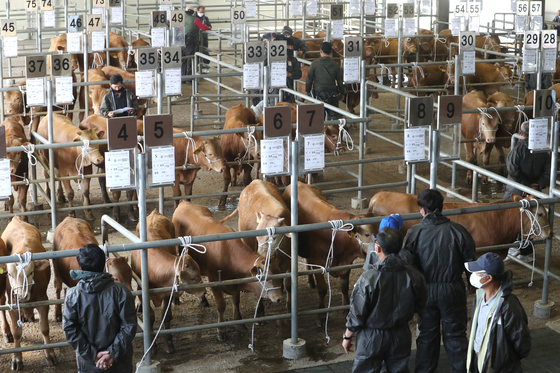
Jeju Island’s livestock sector is a significant contributor to the local economy. By institutionalizing continuous learning, the Seogwipo Livestock Cooperatives Association is effectively safeguarding the “Jeju brand.” When livestock workers are trained in the latest animal welfare standards, the resulting products are more likely to meet the stringent demands of high-end markets, thereby increasing the profit margins for local farmers.
the emphasis on safety management reduces the likelihood of costly agricultural accidents and environmental mishaps. For a region as ecologically sensitive as Jeju, the integration of rigorous training with livestock production is an environmental imperative as much as it is an economic one.
Future Outlook for Seogwipo’s Agricultural Workforce
As the livestock industry moves toward greater automation and “smart farming,” the role of the Seogwipo Livestock Cooperatives Association will likely evolve. The transition to data-driven agriculture will require a new set of competencies, making the refresher training model even more critical. Future sessions are expected to integrate more digital literacy and technology management into the core curriculum.
The successful execution of the first-half training in 2026 sets a precedent for the remainder of the year. By fostering a culture of lifelong learning, the association is preparing its members for a future where sustainability and technology are the primary drivers of agricultural success.
The next scheduled phase of professional development for the region’s livestock workers is expected to occur in the second half of 2026, focusing on year-end compliance and preparations for the next production cycle. Updates regarding registration and specific course modules will be disseminated through the association’s official channels.
We invite industry professionals and stakeholders to share their perspectives on the evolution of agricultural training in the comments below.
Related reading