
Fox News contributor Jessica Tarlov challenged co-host Jesse Watters during a recent broadcast of the network’s panel program, The Five, following comments made regarding former Secretary of State Hillary Clinton. The exchange occurred during a segment discussing political rhetoric and historical campaign narratives, highlighting the ongoing ideological friction between the program’s permanent hosts.
The tension surfaced as the panel discussed the legacy of the 2016 presidential election and the subsequent discourse surrounding Democratic figures. According to official program transcripts, the disagreement centered on the framing of Clinton’s past political strategies and the impact of those actions on current voter sentiment. Tarlov, who serves as a recurring liberal voice on the program, pushed back against Watters’ characterization of the former Democratic nominee, leading to a direct confrontation on air.
Context of the On-Air Disagreement
The conflict arose during a broader conversation about political accountability and media coverage. Jesse Watters, a long-standing host on the network, frequently focuses on the political history of the Democratic Party, often highlighting the controversies that defined the 2016 election cycle. When the conversation turned toward Hillary Clinton, Tarlov interjected to contest the premise of Watters’ assessment.
According to media monitoring reports tracking cable news discourse, Tarlov argued that the focus on Clinton’s past actions serves to distract from contemporary policy debates. This segment is part of the established format of The Five, where hosts with differing political backgrounds—ranging from conservative perspectives to liberal viewpoints—frequently engage in heated debates to reflect the polarized nature of American political discourse. The program, which debuted in July 2011, relies on these unscripted exchanges to maintain its viewership among cable news audiences.
Analysis of Cable News Rhetoric
The interaction between Tarlov and Watters underscores a common dynamic in prime-time political commentary. For viewers, these segments serve as a microcosm of the wider debate regarding how historical political figures are treated in modern media. Critics of this format, such as those cited by the Pew Research Center, often point out that the emphasis on personality-driven conflict can overshadow substantive policy analysis, though supporters argue it provides a necessary platform for airing diverse viewpoints.
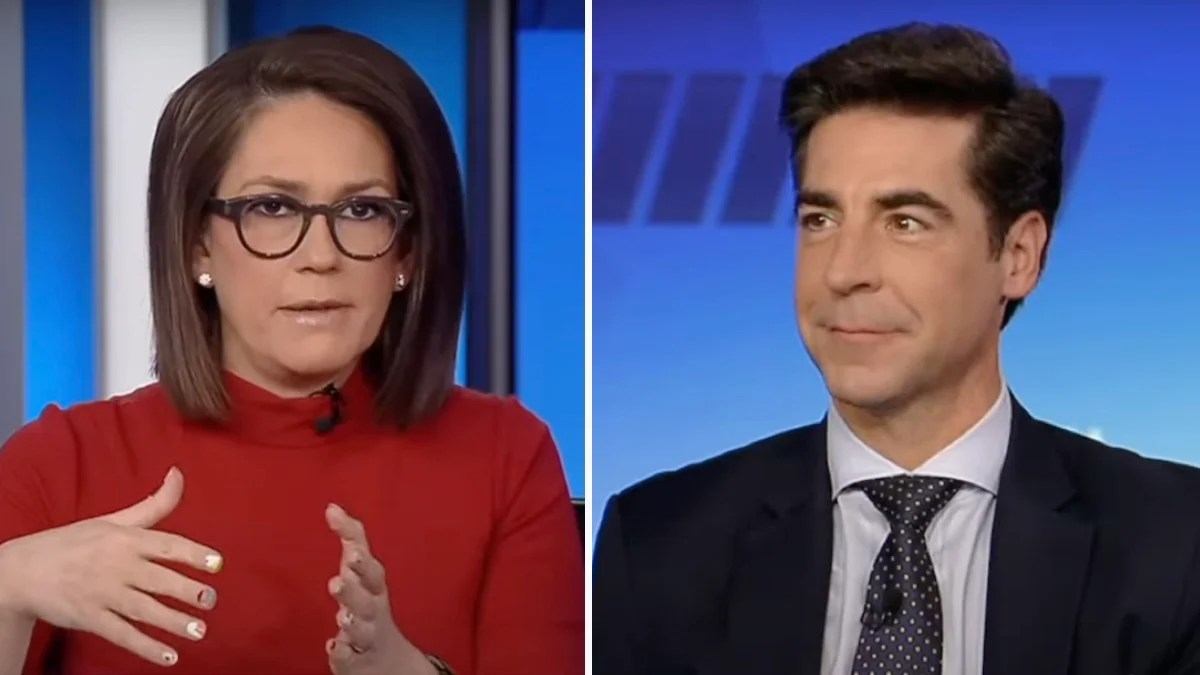
Tarlov’s approach on the show has consistently been to provide a counter-narrative to the conservative consensus of the panel. By challenging the framing of figures like Clinton, she positions herself as a primary interlocutor for the Democratic perspective. This role is distinct from other contributors on the network, as she frequently engages in back-and-forth dialogue with the full panel rather than delivering pre-recorded segments.
The Evolution of Political Debate on The Five
The Five has consistently ranked as one of the most-watched programs in cable news, often leading the ratings in its time slot. According to Nielsen Media Research data, the show’s success is largely attributed to the chemistry and friction between its permanent cast members. The dynamic between Tarlov and Watters is a central component of this engagement, as their differing interpretations of political events often dictate the tone of the broadcast.
The debate over Hillary Clinton’s legacy remains a recurring theme in American political media. While supporters of the former Secretary of State point to her tenure as the nation’s top diplomat and her advocacy for various social programs, critics emphasize the controversies involving the use of a private email server and the outcome of the 2016 general election. The segment on The Five reflected these two entrenched positions, with neither side yielding to the other’s interpretation of the historical record.
What Happens Next?
While this specific exchange concluded without a resolution, it is expected that the political discourse surrounding the 2016 election and the figures involved will continue to surface as the next election cycle progresses. For viewers interested in tracking how these narratives evolve, the program continues to air daily, providing a window into the ongoing national conversation.
There are no scheduled follow-up segments or formal responses from either party regarding this specific exchange. Future discussions on The Five will likely shift to current legislative developments and upcoming primary election milestones. Readers are encouraged to share their thoughts on the nature of televised political debates in the comments section below.