
As the global health community remains vigilant against the spread of infectious diseases, U.S. Health authorities have implemented reinforced safety measures at major transit hubs. The decision to initiate enhanced Ebola screenings for passengers arriving at John F. Kennedy International Airport (JFK) in New York City represents a proactive stance by the Centers for Disease Control and Prevention (CDC) to monitor potential health risks originating from regions affected by viral outbreaks. This move comes as international health officials continue to coordinate responses to localized health crises, emphasizing the necessity of robust surveillance at points of entry.
For travelers and the general public, understanding the scope of these Ebola screening protocols is essential. These measures are designed to identify individuals who may have been exposed to the virus, ensuring they receive prompt medical evaluation without causing undue disruption to international air travel. While the threat of a widespread outbreak in the United States remains low, the integration of screening at JFK serves as a critical firewall in a globally connected world.
Enhanced Surveillance at Major Transit Hubs
The implementation of these screenings is not a new concept in public health, but rather an evolution of established protocols used to manage international health security. When authorities announce new screening mandates at major gateways like JFK, they are typically utilizing a layered approach. This includes visual observation for symptoms, travel history verification, and the distribution of health information packets to arriving passengers. According to the U.S. Department of Health and Human Services, these interventions are part of a broader strategy to mitigate the risk of importing communicable diseases that have reached epidemic or pandemic status in specific geographic regions.
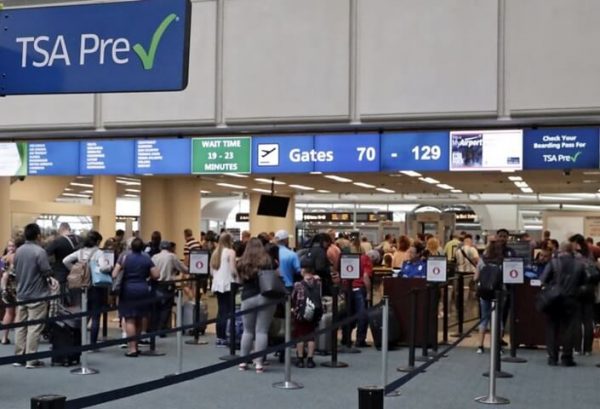
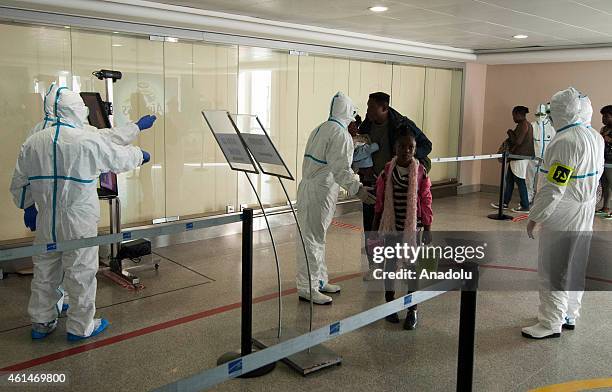
The focus on JFK is strategic, given its status as one of the busiest international arrival points in the United States. By stationing specialized health teams at this location, officials can manage passenger flow more effectively. These teams are trained to look for signs of illness that match the clinical presentation of Ebola, which includes fever, severe headache, muscle pain, and fatigue. If a passenger is identified as potentially symptomatic, they are immediately moved to a secondary screening area for a more comprehensive medical assessment, ensuring that any potential case is contained before entering the general population.
Global Coordination and the WHO Response
The international response to viral outbreaks is spearheaded by the World Health Organization (WHO), which provides the technical guidance necessary for countries to calibrate their national responses. In recent periods of heightened alert, the WHO has emphasized that transparency and rapid information sharing between nations are the most effective tools for containment. The presence of the WHO Director-General at the front lines of an outbreak serves as a powerful signal of the organization’s commitment to supporting local healthcare systems and containing the virus at its source.
This global coordination ensures that screening measures are not just reactive, but evidence-based. By aligning domestic policies with WHO international health regulations, the United States maintains its ability to respond to health threats while adhering to global standards for travel and trade. The collaboration between the CDC and international partners allows for real-time adjustments to screening criteria as the situation on the ground evolves, demonstrating a dynamic approach to public health safety.
What Travelers Need to Know
For those planning international travel, it is important to stay informed about current health advisories. The CDC maintains a comprehensive Traveler’s Health website, which provides updated information on disease outbreaks, vaccination requirements, and safety precautions for specific countries. Travelers arriving from regions where an Ebola outbreak has been confirmed may experience longer processing times at the airport due to these enhanced health screenings.
It is recommended that international passengers:
- Review the latest health advisories for their destination and transit countries before departure.
- Keep their travel itinerary and health documentation easily accessible.
- Monitor their own health for 21 days following their return from an area with a known outbreak, as What we have is the standard incubation period for the virus.
- Seek medical attention immediately if they develop symptoms, ensuring they inform healthcare providers of their recent travel history prior to arrival at a clinic or hospital.
The Path Forward in Public Health
The implementation of these screenings highlights the ongoing challenge of balancing public safety with the necessity of international mobility. As health authorities continue to refine their strategies, the emphasis remains on early detection and rapid response. The goal is to prevent the introduction of the virus while minimizing the impact on the traveling public. As we have seen in previous health crises, the combination of technological surveillance, trained personnel, and public cooperation is the most effective defense against the spread of infectious diseases.
Looking ahead, the next significant checkpoint for these measures will be the periodic review of screening data by the CDC to determine if the protocols should be adjusted, scaled back, or maintained. These assessments are typically shared through official government press releases and updates on the CDC’s public health portal. We will continue to monitor these developments closely to provide you with the most accurate and timely information available.
What are your thoughts on how international travel protocols have changed in recent years? Join the conversation in the comments section below or share this report with your network to keep others informed.