
For decades, the debate surrounding the ideal diet for heart health has often been polarized between those advocating for low-carbohydrate regimens and those favoring low-fat approaches. However, a significant new study suggests that the macronutrient profile of a diet is only half the battle. Research published in the Journal of the American College of Cardiology (JACC) indicates that the quality of food—rather than just the restriction of fats or carbohydrates—is the decisive factor in protecting against coronary heart disease.
As a physician, I have long observed that patients often focus on the “what” of their diet while overlooking the “how” and the “source.” This latest research, which tracked participants over approximately thirty years, provides the clinical evidence necessary to shift our focus toward food quality. According to the study, diets that prioritize high-quality, plant-based foods, whole grains and unsaturated fats offer a clear cardioprotective effect. Conversely, versions of these diets that rely heavily on animal proteins and ultra-processed products can actually increase the risk of coronary heart disease. The study, published in the Journal of the American College of Cardiology, underscores that the nutritional composition of these dietary patterns is fundamental to their long-term impact on cardiovascular health.
The Quality-First Approach to Nutrition
The research, led by scientists at the Harvard T.H. Chan School of Public Health, addresses a long-standing question in metabolic health. Zhiyuan Wu, the study’s lead investigator, noted in a discussion with TCTMD that while low-fat and low-carbohydrate diets are widely practiced for glycemic control and metabolic health, their specific influence on heart disease prevention has remained a subject of intense professional debate. The findings clarify that the “label” of a diet—whether it is low-carb or low-fat—is not a guarantee of health benefits if the underlying food choices are poor.
When individuals follow diets characterized by high intakes of animal protein, animal-derived fats, and refined grains—often found in ultra-processed goods—the cardiovascular benefits typically associated with weight management or glycemic control are negated. These “unhealthy” versions of low-carb or low-fat diets are explicitly linked to a higher incidence of coronary events over the three-decade observation period. This distinction is vital for public health policy, as it suggests that broad dietary guidelines must emphasize the provenance of calories rather than just the distribution of macros.
What Defines a Cardioprotective Diet?
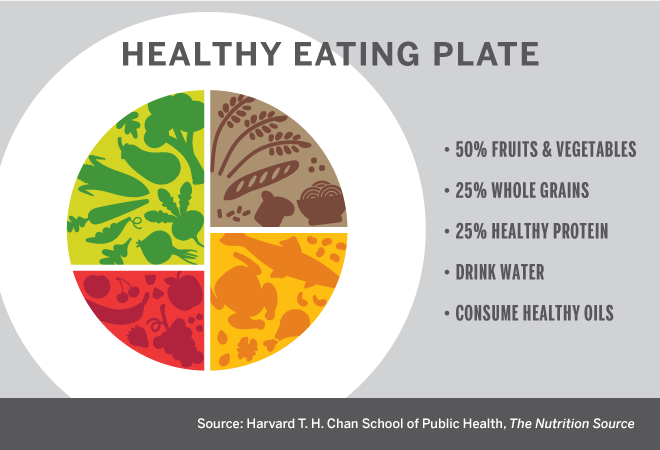
To translate these findings into practical, daily habits, it is essential to define what constitutes “high quality” in this context. The study highlights three pillars of a heart-healthy diet:
- Plant-based proteins: Shifting away from animal-sourced proteins toward legumes, nuts, and soy products.
- Whole grains: Prioritizing complex carbohydrates over refined cereals and added sugars.
- Unsaturated fats: Choosing healthy fats, such as those found in olive oil, avocados, and certain seeds, over saturated animal fats.
The danger, as the researchers point out, lies in the modern prevalence of ultra-processed foods. Even if a product is marketed as “low-carb” or “low-fat,” it may be packed with additives, refined flours, and sodium that can undermine cardiovascular wellness. For my patients in Berlin and beyond, the message is clear: if you are choosing a specific dietary pattern, ensure that it is grounded in whole, minimally processed foods. The quality of your ingredients is the primary driver of your long-term risk profile.
Implications for Future Clinical Practice
This study serves as a necessary recalibration for clinical nutrition counseling. For too long, the medical community has focused on restrictive dieting as a primary tool for patients. This research suggests that we must move toward a more nuanced model of “nutritional quality.” By focusing on the healthfulness of the food, rather than merely the macronutrient balance, we can better support patients in reducing their risk of coronary disease over the long term.
As we continue to analyze the long-term data from this thirty-year tracking study, the medical community will likely refine these guidelines further to provide more granular advice. For now, the takeaway is an empowering one: you have significant control over your cardiovascular future through the daily choices you make at the grocery store and in the kitchen. Focusing on high-quality, plant-forward, and minimally processed foods remains the gold standard for heart health.
This report is based on findings published in the Journal of the American College of Cardiology (JACC) as of February 2026. As further research into the long-term metabolic impacts of these dietary patterns emerges, we will continue to provide updates. We encourage our readers to share their thoughts or questions regarding these dietary findings in the comments section below.
Keep reading