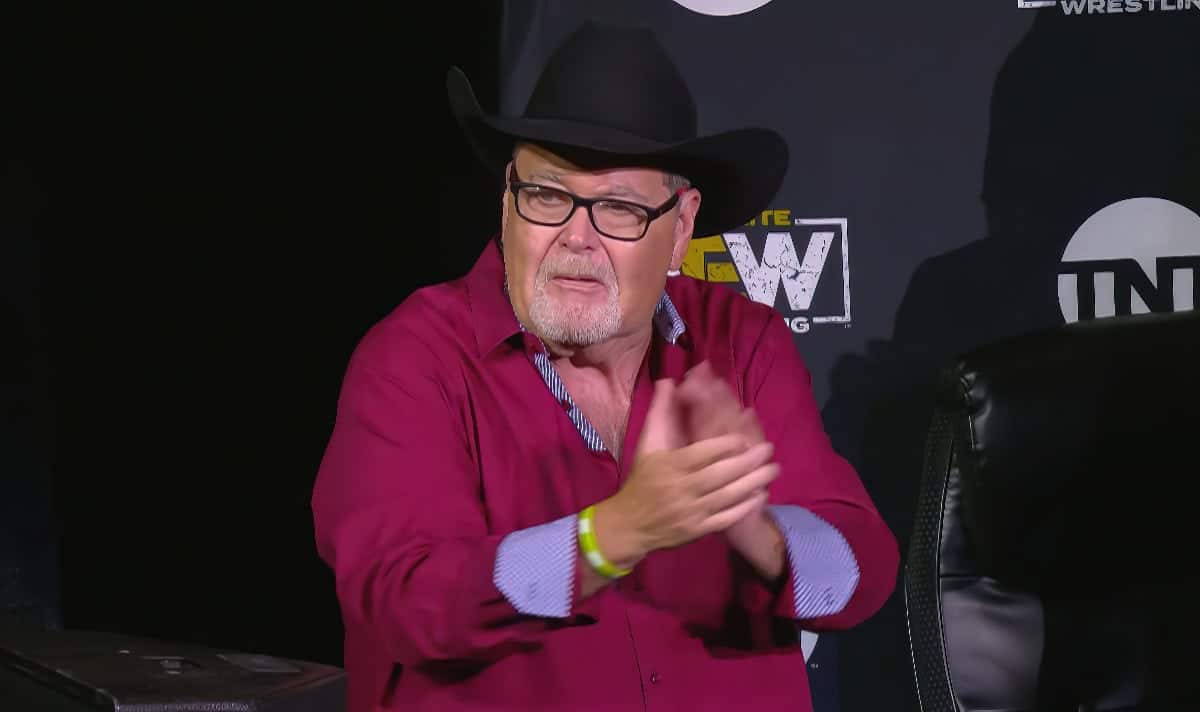
Jim Ross, the legendary wrestling commentator and WWE Hall of Famer, has voiced strong criticism of WWE’s Legacy Wing induction process, calling it “a joke” and suggesting it serves primarily as a way to offer certain individuals a payday or superficial recognition rather than honoring their true contributions to the sport. His comments came during an episode of his podcast, Grilling JR, where he discussed the 2022 induction of Sid Eudy, better known by his ring name Sycho Sid, into the WWE Hall of Fame’s Legacy Wing.
Ross expressed understanding for the frustration felt by Gunner Eudy, Sycho Sid’s son, who publicly questioned why his father was not inducted into the main WWE Hall of Fame. According to Ross, Sycho Sid’s in-ring impact during the 1990s — particularly his runs in WCW and WWE — warranted consideration for the highest honor, not a secondary category. The Legacy Wing, established in 2015, was created to recognize contributors who may not have achieved the same level of mainstream fame as top-tier stars but still played meaningful roles in wrestling history.
The controversy surrounding Sid’s induction highlights ongoing debates within the wrestling community about how the WWE Hall of Fame evaluates legacy, and merit. While the main Hall of Fame typically inducts headline acts like Hulk Hogan, Stone Cold Steve Austin, or The Rock, the Legacy Wing has honored figures such as managers, referees, and behind-the-scenes personnel. Ross argued that Sid’s two WWF Championship reigns, high-profile feuds with stars like Shawn Michaels and The Undertaker, and lasting cultural imprint should have placed him in the primary category.
During the Grilling JR episode, Ross did not speculate on WWE’s internal motivations but emphasized that the perception of the Legacy Wing as a consolation prize undermines its intended purpose. He noted that while any Hall of Fame recognition is an honor, the distinction between wings can carry symbolic weight for performers and their families. Gunner Eudy’s public comments reflected this sentiment, suggesting that placement in the Legacy Wing diminished his father’s achievements in the eyes of fans.
WWE has not publicly detailed the specific criteria used to determine whether an inductee goes into the main Hall of Fame or the Legacy Wing. However, industry analysts have pointed to factors such as mainstream visibility, championship pedigree, and duration of top-tier prominence as potential influences. The Legacy Wing has included individuals like Howard Finkel (the longtime ring announcer), Jimmy Hart (manager and musician), and J.J. Dillon (wrestler and manager), all of whom contributed significantly to the industry outside of active in-ring competition.
Sycho Sid, born Sidney Eudy, competed professionally from the late 1980s through the early 2000s, with major stints in World Championship Wrestling (WCW) and the World Wrestling Federation (WWF, now WWE). He first gained national attention in WCW as one half of the Skyscrapers tag team before transitioning to a singles career in the WWF, where he won the WWF Championship twice — once in 1996 and again in 1997. His feuds with top stars of the era, including Bret Hart and Shawn Michaels, were frequently featured on pay-per-view events such as In Your House and SummerSlam.
Despite his success, Sid’s career was also marked by periods of instability, including releases from both WCW and WWF due to contractual and creative differences. His final major WWE run came in 1999–2000 before he departed for independent circuits and occasional returns to WCW during its final years. After retiring from full-time wrestling, Sid made sporadic appearances on the independent scene and participated in legends’ events, maintaining a presence in fan conventions.
The WWE Hall of Fame ceremony itself has evolved since its inception in 1993, expanding over the years to include categories beyond performers. The introduction of the Legacy Wing in 2015 was framed by WWE as a way to broaden recognition to include referees, announcers, trainers, and other non-wrestling roles essential to the industry’s operation. Still, some observers believe the distinction creates an unintended hierarchy that can affect how legacies are perceived.
Ross’s critique adds to a broader conversation about transparency in Hall of Fame selections. While WWE does not publish a formal voting process or eligibility rubric, the company has stated that inductions are based on a combination of in-ring accomplishment, character impact, and contributions to the growth of professional wrestling globally. Fans and journalists alike have called for greater clarity, especially when prominent figures from the 1990s boom period are placed in the Legacy Wing rather than the main hall.
As of now, there have been no announced changes to the Hall of Fame structure or induction procedures. WWE typically unveils its Hall of Fame class each year in the spring, culminating in a ceremony held the night before WrestleMania. The 2023 class included names like Rey Mysterio, The Great Muta, and Stacy Keibler, with no public indication of Legacy Wing inductees beyond those announced alongside the main class.
For fans seeking official updates on WWE Hall of Fame announcements, the company’s corporate website and press release portal remain the primary sources. WWE also streams its Hall of Fame ceremony live on Peacock in the United States and through various international partners, with replays available on-demand shortly after the event.
Jim Ross continues to be a prominent voice in wrestling media through his podcast and occasional commentary appearances. His insights, drawn from decades of experience both in front of and behind the microphone, carry weight among fans and industry observers alike. While he did not call for systemic reform, his comments underscored the emotional significance that Hall of Fame placement holds for wrestlers and their families.
The discussion around Sycho Sid’s induction serves as a reminder that recognition in sports entertainment, like in traditional athletics, often extends beyond statistics or titles to include narrative, memory, and cultural resonance. Whether future adjustments to the Hall of Fame format will address concerns about categorization remains to be seen, but voices like Ross’s ensure the conversation continues.
If you have thoughts on the WWE Hall of Fame, the Legacy Wing, or how wrestling legacies should be honored, consider sharing them in the comments below. Experience free to share this article with fellow fans who appreciate the history and evolution of professional wrestling.
Worth a look