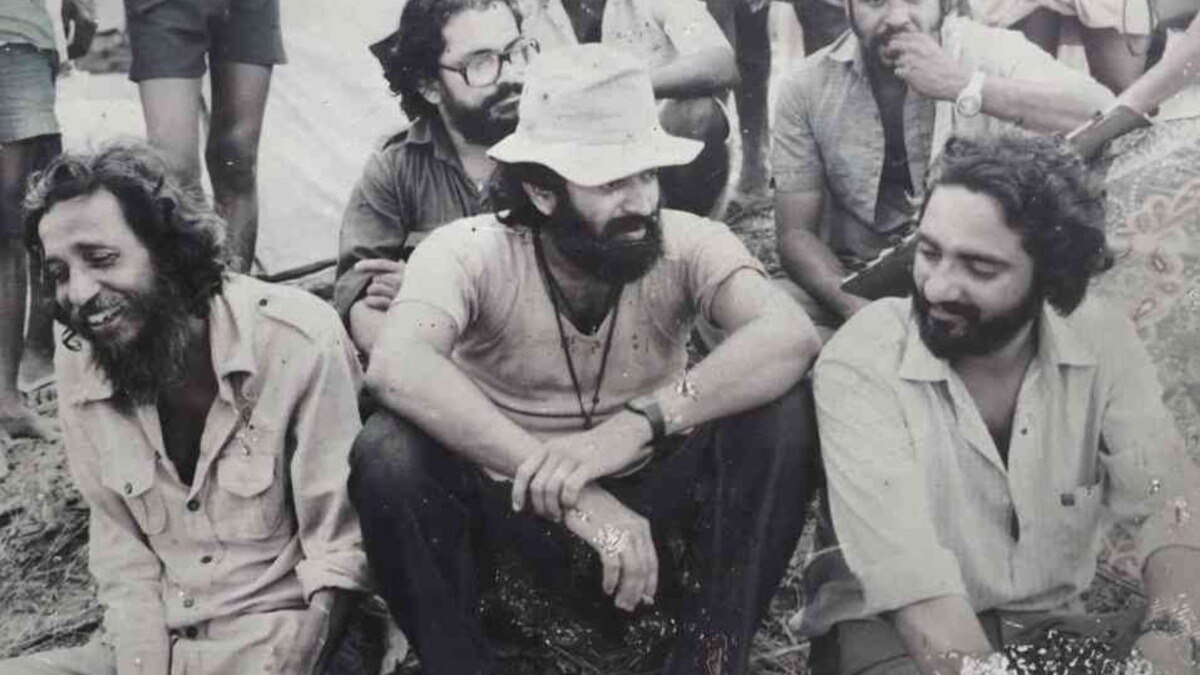
For many global cinema fans, the name John Abraham evokes images of the muscular Bollywood superstar and commercial powerhouse. However, the cinematic world is currently buzzing about a different John Abraham—the iconoclastic filmmaker whose legacy continues to challenge the boundaries of Indian cinema. This John Abraham is heading back to the spotlight at the Cannes Film Festival, but not for a red-carpet premiere of a new blockbuster.
The focus is instead on the restoration and screening of his seminal work, Amma Ariyan (translated as Report to Mother), which is set to appear in the Cannes Classics section of the 2026 festival. This event marks a significant moment for independent Indian cinema, bringing a restored version of a film that remains a cornerstone of political filmmaking in the region.
The inclusion of Amma Ariyan in the Cannes Classics program highlights the enduring relevance of Abraham’s vision. Far from the glitz of mainstream industry productions, the film represents a raw, unfiltered exploration of social unrest and personal grief, captured through striking black and white imagery that defines its aesthetic power.
The Return of Amma Ariyan to the Global Stage
Produced in 1985, Amma Ariyan is a 115-minute odyssey that delves deep into the political history of Kerala. The narrative follows a character named Purushan, played by Joy Mathew, who sets out for Delhi with a promise to write to his mother. His journey takes a tragic turn when he discovers a dead body identified as Hari. In a poignant act of duty and solidarity, Purushan decides to travel to Hari’s home to inform the man’s mother of her son’s death.

As Purushan travels, he gathers a motley group of comrades and his small party swells into a crowd, mirroring the growing political consciousness of the era. The film is set against the backdrop of the social and political ferment that gripped Kerala in the 1970s, utilizing the intimate journey of a son’s letter to a mother to explore broader systemic failures and revolutionary aspirations.
The restoration of the prints for the 2026 festival ensures that the film’s stunning black and white cinematography is preserved for a new generation of viewers. By placing the film in the Cannes Classics category, the festival acknowledges Amma Ariyan not just as a regional artifact, but as a piece of global cinematic heritage.
A Grassroots Masterpiece: The Odessa Collective
What makes Amma Ariyan as significant as its content is the radical nature of its production. The film was produced by the Odessa Collective, a group of film enthusiasts who rejected traditional studio funding in favor of a truly democratic approach to art. To finance the project, the collective traveled from village to village, seeking small contributions from local people.
This method of funding was a political statement in itself, aligning the creation of the film with the socialist ideals it portrayed on screen. By bypassing the commercial machinery of the film industry, John Abraham and the Odessa Collective ensured that the film remained an independent voice, free from the constraints of marketability or censorship that often plague state-funded or studio-backed projects.
The cast further emphasizes this commitment to authenticity, featuring performances by Joy Mathew as Purushan, Maji Venkatesh as Paru, and Kunhilakshmi in the role of the mother. The production’s willingness to rely on community support rather than corporate investment remains one of the most daring experiments in the history of Indian cinema.
Political Ferment and the Landscape of Kerala
The film serves as a visceral document of the 1970s in Kerala, a period marked by intense ideological struggles and the rise of various social movements. Through the eyes of Purushan and his growing entourage, the film captures the landscape of the state not just geographically, but emotionally and politically.
The “intimate journey” described in the film’s framework is a metaphor for the political awakening of the youth during that era. The transition from a personal mission—reporting a death to a mother—to a collective movement reflects the shift from individual grief to shared political struggle. The use of black and white imagery strips away the distractions of color, forcing the audience to confront the stark realities of the characters’ lives and the gravity of their political environment.
By focusing on the relationship between a son and a mother—both biological and symbolic—Abraham creates a bridge between the personal and the political, suggesting that the struggles of the state are inextricably linked to the struggles of the family unit.
The Legacy of an Iconoclastic Visionary
John Abraham is described as an “iconoclastic filmmaker,” a term that fits his refusal to adhere to the conventions of storytelling and production. While mainstream Indian cinema of the 1980s was largely defined by melodrama and song-and-dance routines, Abraham sought a cinematic language that could capture the truth of the working class and the marginalized.

His work with the Odessa Collective paved the way for future independent filmmakers in India, proving that cinema could be created outside the studio system through community engagement and political conviction. The restoration of Amma Ariyan for the 2026 Cannes festival is a testament to the fact that true art, especially that which is born of political necessity, does not age; it only becomes more relevant as history unfolds.
For the global audience at Cannes, the screening of Amma Ariyan offers a window into a specific moment in Indian history while posing universal questions about loss, loyalty, and the cost of political conviction.
The next confirmed milestone for this cinematic treasure is its presentation within the Cannes Classics program in 2026, where these restored prints will finally be seen by a wider international audience.
Do you believe grassroots funding is still viable for independent cinema today? Share your thoughts in the comments below.
Worth a look