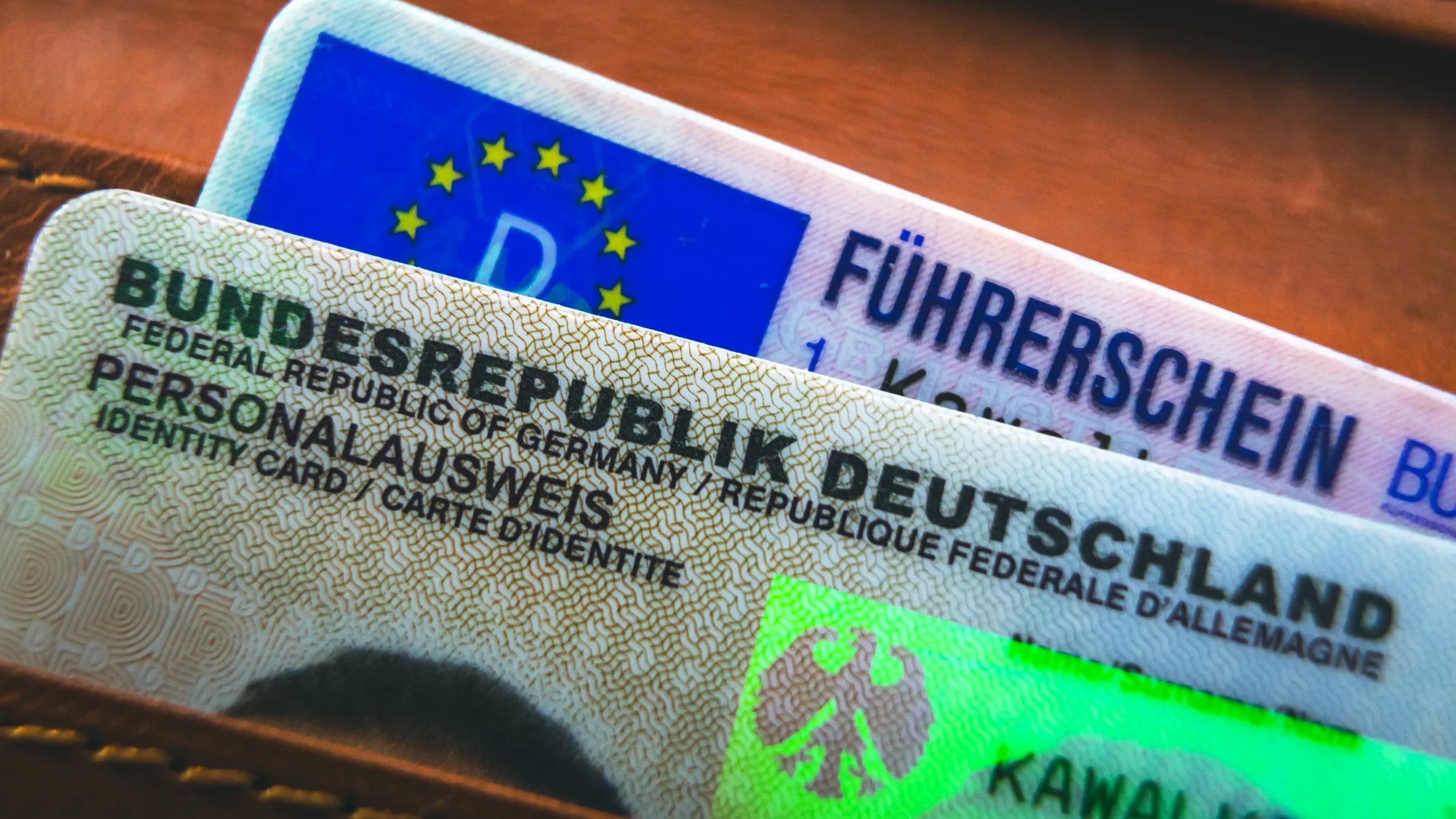
Starting in January 2027, residents in Germany will face significant shifts in how they interact with government and financial institutions, as new regulatory frameworks for digital identification and banking processes take effect. These updates are part of a broader European and national push to modernize administrative services, including the integration of the digital Personalausweis (national ID card), the digitization of the Führerschein (driver’s license), and enhanced transparency requirements for Bankkonto (bank account) management.
The Evolution of Digital Identification
The German government has been steadily expanding the functionality of the eID function of the Personalausweis. By 2027, the objective is to move beyond physical documents toward a fully integrated digital wallet ecosystem. According to the Federal Ministry of the Interior and Community, the goal is to allow citizens to identify themselves securely online for both public and private services without the need for physical card readers. This transition is supported by the ongoing implementation of the German Digital Strategy, which prioritizes the interoperability of digital identity services across all federal states.
For the average user, this means the smartphone will increasingly serve as the primary credential. The integration process aims to simplify administrative tasks such as registering a vehicle, applying for government benefits, or verifying age for commercial services. The Federal Office for Information Security (BSI) continues to oversee the security standards for these digital transactions, ensuring that end-to-end encryption remains a mandatory requirement for all service providers accessing the eID infrastructure.
Driver’s Licenses and the Digital Shift
The digitization of the Führerschein is moving in tandem with broader EU-wide efforts. While physical plastic cards remain valid, the transition toward a digital version is designed to be completed by 2027 to align with the European Commission’s proposal for a mobile driving license. This digital format is intended to be recognized across all EU member states, facilitating easier verification for law enforcement and rental agencies.

For drivers, the primary benefit is the reduction of bureaucratic friction during traffic stops or vehicle rentals. When the system is fully operational, users will be able to present their license via a government-authorized app. The Federal Ministry for Digital and Transport has emphasized that the digital license will maintain the same legal status as the physical document, with security protocols designed to prevent tampering and unauthorized access.
Banking and Financial Transparency
The financial sector is also subject to rigorous updates effective by 2027, largely driven by the European Union’s Anti-Money Laundering (AML) package. Financial institutions are required to tighten their Know Your Customer (KYC) processes. As reported by the European Banking Authority, banks must implement more robust digital verification methods for new account openings and periodic status checks on existing accounts to combat financial crime.
These changes mean that customers may encounter more frequent requests for identity verification when accessing their Bankkonto. This is not merely a bank-internal policy but a response to stricter EU-wide legislative requirements that mandate higher standards for digital identity validation. Customers are encouraged to keep their digital documents updated and to utilize the official apps provided by their banking institutions to ensure a seamless transition when these new compliance measures become standard in 2027.
Practical Implications for Residents
As these systems converge, the reliance on paper-based bureaucracy will decrease, but the technical requirements for the average citizen will increase. Staying informed on the rollout of official government applications is essential for maintaining access to these services. The official Personalausweis portal remains the primary source for documentation on how to activate and secure your digital ID functions.

The shift represents a fundamental change in how individuals interact with the state and private financial entities. By 2027, the ability to manage identification and banking credentials digitally will be an expected standard rather than a convenience feature. Users should ensure their current hardware, such as smartphones, supports the latest NFC (Near Field Communication) requirements necessary for eID verification.
The next major checkpoint for these transitions will be the release of updated technical guidelines by the BSI and the European Commission in late 2026. These documents will provide the final specifications for private sector integration. We encourage readers to share their experiences with current digital ID implementations in the comments section below.
Keep reading