Dengue Vaccination Expands in Joinville, Brazil, Prioritizing Healthcare Workers
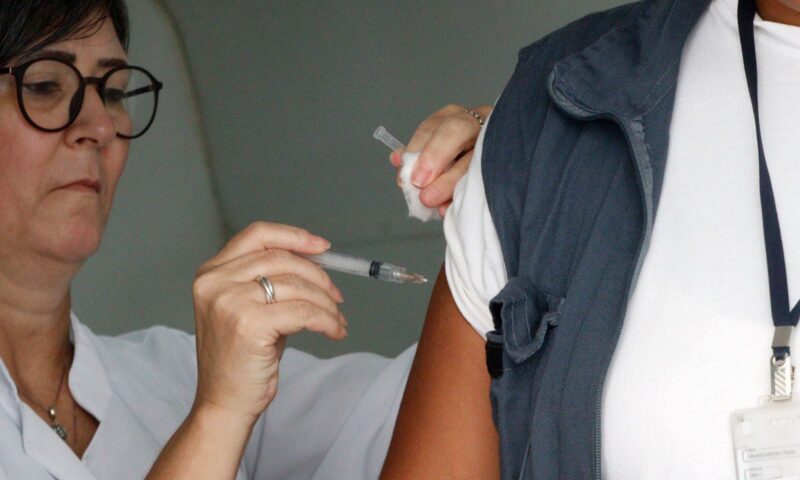
A new phase in the fight against dengue fever has begun in Joinville, Brazil, with the rollout of vaccinations for frontline healthcare professionals. The initiative, utilizing the Butantan-DV vaccine developed by the Instituto Butantan, aims to protect those most exposed to the virus while simultaneously bolstering the city’s broader dengue prevention strategy. This expansion of the vaccination program comes as Joinville demonstrates significant progress in curbing dengue cases compared to the previous year, a testament to integrated public health efforts. The Butantan-DV vaccine offers protection against all four serotypes of the dengue virus with a single dose, representing a crucial tool in managing the ongoing public health challenge.
The vaccination campaign commenced on Wednesday, February 25th, with agents of endemic diseases – those directly involved in mosquito control and surveillance – receiving the first doses at the city’s Environmental Surveillance headquarters. This prioritization reflects their critical role in identifying and mitigating dengue hotspots within the community. According to Daniela França Cavalcante, Joinville’s Secretary of Health, “We started vaccination with our endemic agents because they are in the territories, in homes, working on prevention and detection of dengue outbreaks.” This targeted approach underscores the city’s commitment to protecting those on the front lines of dengue control. The Butantan Institute, a leading Brazilian biomedical research institution, developed the vaccine, which has undergone rigorous testing and received approval for use in the country. More information about the Butantan-DV vaccine can be found on the Instituto Butantan’s website.
The success of Joinville’s comprehensive strategy is already evident in the latest epidemiological data. Secretary Cavalcante highlighted a dramatic reduction in cases: “At this time in 2024, we had almost 8,500 cases of dengue and 12 deaths. In the same period last year, there were 93 cases and this year, there are only 10 cases and no deaths.” This significant decrease is attributed to a combination of proactive measures, including increased surveillance, community engagement, mosquito control programs utilizing methods like the Wolbachia bacteria, and now, vaccination. The Wolbachia method involves releasing mosquitoes carrying the bacteria, which prevents the transmission of the dengue virus. World Vector Link provides further details on the Wolbachia method for dengue control. The integration of these strategies demonstrates a holistic approach to tackling the disease.
Frontline Workers Receive First Doses
Marcio Muller, an endemic agent with 24 years of experience, was the first healthcare professional in Joinville to receive the Butantan-DV vaccine. He expressed his enthusiasm for the program, stating, “I have been working on this for many years and have seen people struggle a lot. This vaccine will be extremely important for the population and also for our work, which is arduous, focusing on outbreaks. I am very happy. Any vaccine that comes to support us, I am always available, my vaccination card is full, and I am very pleased to be the first.” His sentiment reflects the relief and optimism among those directly involved in combating the disease.
Alexsandro da Silva Madeira, a three-year veteran of the endemic agent team, echoed Muller’s sentiments, emphasizing the added layer of protection the vaccine provides. “It’s more protection for us who are on the front lines every day, fighting, inspecting, working with traps, and living directly with the mosquito,” he explained. These firsthand accounts underscore the practical benefits of the vaccination program for those facing the highest risk of exposure.
Prioritization and Rollout Strategy
The initial vaccine supply will be allocated to healthcare professionals within the Unified Health System (SUS) who are on the front lines of dengue control and primary healthcare. This prioritization aligns with guidance from the Brazilian Ministry of Health, which identifies endemic agents and staff working in Family Health Units (UBSFs) as key priority groups. The UBSFs are the cornerstone of primary care in Brazil, providing essential health services to communities across the country. This includes agents of community health, doctors, nurses, auxiliary and technical nurses, dentists, multidisciplinary teams, and administrative staff.
Maria Cristina Willemann, Director of Health Surveillance in Joinville, explained the phased rollout: “Starting next week, the vaccines from this first batch will be made available, by appointment, to primary care professionals who meet the vaccination criteria, such as not being pregnant, breastfeeding, or having an immunosuppressive condition. The application of the vaccine will be organized by the Immunization area of Joinville.” The city received 998 doses of the vaccine this week, initiating the vaccination process for a significant portion of its healthcare workforce. The careful scheduling and criteria for vaccination aim to ensure equitable access and maximize the impact of the limited initial supply.
Vaccine Eligibility and Recommendations
The Butantan-DV vaccine is recommended for individuals aged 15 to 59 years who have not previously received a dengue vaccine, regardless of prior dengue infection. The Ministry of Health recommends a six-month waiting period after a recent dengue infection before vaccination. But, the vaccine is not recommended for individuals under 12 or over 59, pregnant or breastfeeding women, or those with a history of hypersensitivity to vaccine components or with HIV or other immunodeficiencies. These guidelines are based on clinical trial data and aim to minimize potential risks and maximize vaccine effectiveness.
For children and adolescents aged 10 to 14 years, a two-dose dengue vaccine is already available through the UBSFs and Central Vaccination Room, integrated into the national immunization schedule. To receive the vaccine, a child or adolescent must be accompanied by a responsible adult and present official identification and their vaccination card. No appointment is necessary for this age group; individuals can visit the vaccination site at least 30 minutes before closing time. This existing program provides a foundation for expanding dengue protection to younger populations.
The expansion of dengue vaccination efforts in Joinville represents a significant step forward in protecting both healthcare workers and the broader community. By prioritizing those on the front lines and implementing a comprehensive prevention strategy, the city is demonstrating a proactive approach to managing this persistent public health threat. The success of this initiative will likely serve as a model for other municipalities across Brazil as they navigate the challenges of dengue control.
Looking ahead, the Ministry of Health continues to monitor the epidemiological situation and adjust vaccination strategies accordingly. Further vaccine deliveries are expected in the coming months, allowing for broader coverage and increased protection against dengue fever. Continued vigilance, community engagement, and adherence to preventative measures remain crucial in minimizing the impact of this disease. The next update on vaccine distribution and program expansion is expected from the Ministry of Health in early April 2024. Stay informed about the latest developments on the Brazilian Ministry of Health’s website.
What are your thoughts on the expanded dengue vaccination program? Share your comments below, and help spread awareness by sharing this article with your network.
Related reading