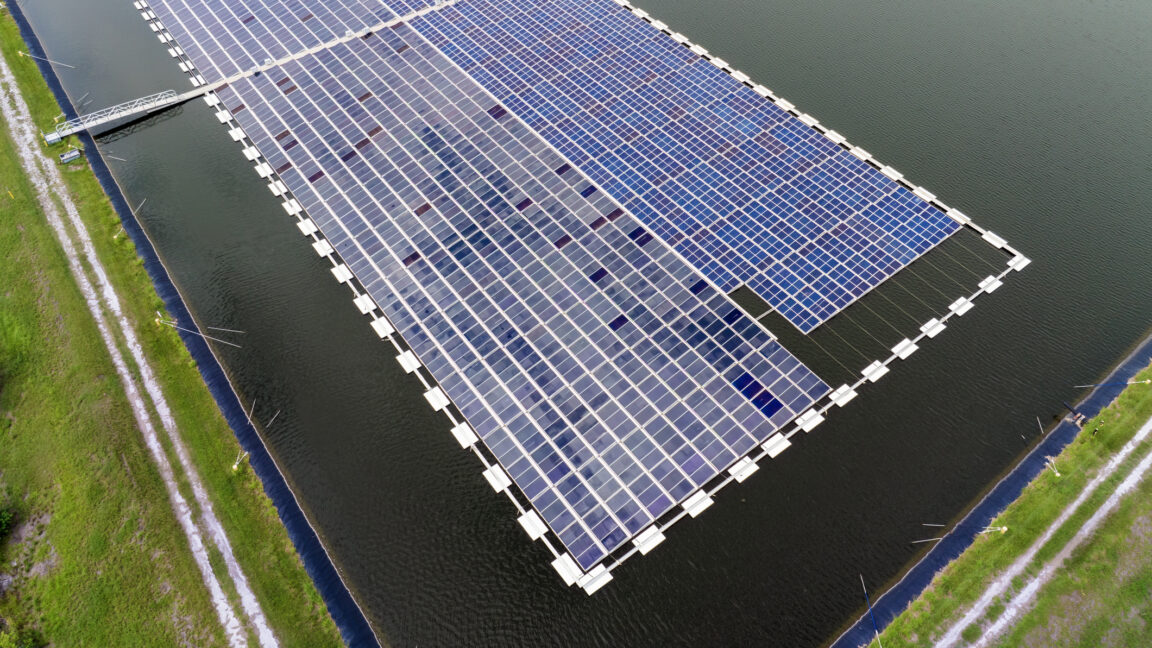
Solar Power Surpasses Hydropower in US Electricity Generation
The United States achieved a significant milestone in its energy transition in 2025, with solar power generating more electricity than hydropower for the first time, according to data released by the U.S. Energy Information Administration (EIA). This shift reflects the continued, rapid growth of solar energy, which saw a 35% increase in power generation compared to the previous year. However, the gains in renewable energy were partially offset by a rise in overall electricity demand and a corresponding increase in coal-fired power generation, presenting a complex picture of the nation’s evolving energy landscape.
The surge in solar energy production underscores the declining costs and increasing efficiency of photovoltaic technology. Driven by both utility-scale solar farms and distributed solar installations – like rooftop panels – solar is becoming an increasingly competitive and vital component of the US power grid. This transition isn’t just about environmental concerns; it’s likewise about energy independence and economic opportunity, creating jobs in manufacturing, installation, and maintenance. The growth of solar power is a key element in the Biden administration’s goal of achieving a carbon pollution-free power sector by 2035, as outlined in the Inflation Reduction Act. The White House details the investments and initiatives supporting this transition.
Despite the positive trend in solar, overall electricity consumption in the US rose by 2.8%, or approximately 121 terawatt-hours, in 2025. This increase marks a departure from the relatively flat consumption rates seen in previous decades, which were largely attributable to energy efficiency improvements and a shift away from industrial activity. The EIA attributes this renewed demand to factors such as increased heating and cooling needs, the ongoing recovery from the COVID-19 pandemic, and the growing electrification of various sectors of the economy. The electrification of transportation, the adoption of heat pumps for heating and cooling, and the expansion of data centers are all contributing to a higher demand for electricity.
Demand Growth and the Role of Fossil Fuels
The 85 terawatt-hours of additional power generated from expanded solar installations, combined with wind power, covered approximately 73% of the increased demand. However, the remaining gap was filled largely by coal, highlighting the challenges of transitioning to a fully renewable energy system. The lack of significant new nuclear power capacity further constrained the options for meeting the rising demand without relying on fossil fuels. According to the EIA, coal-fired power generation increased by an estimated 17% in 2025, reversing a long-term decline. The EIA’s “Today in Energy” provides daily updates and analysis on energy trends.
This reliance on coal is a cause for concern among environmental advocates, who argue that it undermines efforts to reduce greenhouse gas emissions and combat climate change. The situation underscores the need for continued investment in renewable energy sources, energy storage technologies, and grid modernization to ensure a reliable and sustainable energy future. The intermittency of renewable sources like solar and wind requires robust energy storage solutions, such as batteries and pumped hydro storage, to ensure a consistent power supply. Upgrading the grid infrastructure is crucial to accommodate the increasing influx of renewable energy and improve its distribution efficiency.
The growth in electricity demand also raises questions about the pace of decarbonization. While the electrification of transportation and heating are essential steps towards reducing reliance on fossil fuels in those sectors, they simultaneously increase the demand for electricity, potentially offsetting some of the emissions reductions if the electricity is generated from fossil fuels. This highlights the importance of a holistic approach to decarbonization, focusing not only on electrifying conclude-use sectors but also on ensuring that the electricity supply is increasingly sourced from renewable and zero-emission sources.
The Future of Solar and Renewable Energy
Looking ahead, the future of solar energy in the US appears bright. Falling costs, technological advancements, and supportive government policies are expected to drive continued growth in the coming years. The Inflation Reduction Act, for example, provides significant tax credits and incentives for solar energy development, which are projected to accelerate the deployment of solar projects across the country. These incentives include the Investment Tax Credit (ITC) and the Production Tax Credit (PTC), which can significantly reduce the cost of solar energy projects. The Solar Energy Industries Association (SEIA) provides detailed information on these incentives and their impact on the industry. SEIA’s website is a valuable resource for industry data and policy updates.
However, challenges remain. Supply chain disruptions, permitting delays, and grid interconnection issues can hinder the deployment of solar projects. Addressing these challenges will require coordinated efforts from policymakers, industry stakeholders, and grid operators. Streamlining the permitting process, investing in grid infrastructure, and diversifying supply chains are all crucial steps to unlock the full potential of solar energy. Addressing concerns about land use and environmental impacts associated with large-scale solar farms is essential to ensure the sustainable development of solar energy.
The increasing demand for electricity, coupled with the need to decarbonize the power sector, will likely drive further innovation in renewable energy technologies. Emerging technologies such as perovskite solar cells, floating solar farms, and agrivoltaics (combining solar energy generation with agriculture) offer promising avenues for expanding renewable energy capacity. These technologies have the potential to overcome some of the limitations of traditional solar technologies and unlock new opportunities for renewable energy development.
Key Takeaways
- Solar power generation in the US surpassed hydropower for the first time in 2025, marking a significant milestone in the energy transition.
- Overall electricity demand increased by 2.8% in 2025, leading to a rise in coal-fired power generation.
- The Inflation Reduction Act provides significant incentives for solar energy development, which are expected to accelerate its growth.
- Challenges remain in deploying solar projects, including supply chain disruptions, permitting delays, and grid interconnection issues.
- Continued investment in renewable energy, energy storage, and grid modernization is crucial for a sustainable energy future.
The EIA is scheduled to release its next comprehensive energy outlook in July 2026, providing updated projections for electricity generation and demand. Staying informed about these developments is crucial for understanding the evolving energy landscape and making informed decisions about energy policy and investment. The agency’s reports are a vital resource for policymakers, industry stakeholders, and the public alike.
What are your thoughts on the increasing role of solar energy in the US power grid? Share your comments below, and please share this article with your network to help spread awareness about the latest developments in renewable energy.
Keep reading