A Star Wars Movie to Fall Asleep To: Why ‘The Mandalorian and Grogu’ Feels Like a TV Episode
Seven years after the last theatrical Star Wars release, Disney has delivered what may be the most forgettable entry in the franchise’s modern era: The Mandalorian and Grogu. Directed by Jon Favreau, the film that was supposed to reignite the saga instead offers a two-hour experience better suited for a Sunday afternoon nap than a summer blockbuster. With its flat dialogue, lackluster action, and self-contained story, the movie feels less like a cinematic event and more like an extended episode of the hit Disney+ series—even when projected on an IMAX screen.
The film follows the armored bounty hunter Din Djarin (Pedro Pascal), now serving the New Republic, as he embarks on a mission to rescue Rotta the Hutt (voiced by Jeremy Allen White), the son of the late crime lord Jabba. Alongside his adorable, Yoda-like companion Grogu, the duo navigates a galaxy where the stakes feel remarkably low. While the plot occasionally teases broader connections to the Star Wars universe, it ultimately retreats into familiar, low-risk territory—prioritizing safe, family-friendly entertainment over the kind of bold storytelling that once defined the franchise.
For fans expecting another Rogue One or The Force Awakens, this film will be a disappointment. But for those willing to lower their expectations, The Mandalorian and Grogu offers a harmless, if uninspired, diversion. The problem isn’t that it’s bad—it’s that it’s boring. With minimal conflict, predictable pacing, and a lack of emotional or narrative depth, the movie struggles to justify its existence beyond being a vehicle for merchandise sales.
Why This Film Misses the Mark
- Self-contained storytelling: Unlike recent Star Wars films, this movie avoids the broader galaxy-spanning conflicts that define the saga, opting instead for a contained adventure.
- Family-friendly focus: The film prioritizes lighthearted, kid-centric moments over the darker, more complex themes that have resonated with older fans in the past.
- Lack of stakes: With minimal danger and predictable resolutions, the movie fails to create the tension or emotional investment that makes Star Wars compelling.
- TV-show pacing: Despite its theatrical release, the film’s structure and runtime feel more suited to a two-hour television episode than a cinematic experience.
- Missed opportunities: Standout moments—like Grogu’s swamp adventure and Martin Scorsese’s voice work—are not enough to elevate the film from forgettable to memorable.
- Merchandising over narrative: The film’s strongest asset may be its ability to drive toy sales, but its storytelling fails to justify its existence beyond that.
The Problem With a Franchise That’s Afraid to Grow Up
The Mandalorian and Grogu arrives at a pivotal moment for the Star Wars franchise. After years of divisive films like The Rise of Skywalker (2019) and a television universe that has expanded aggressively—yet often incoherently—the studio seems to have retreated into safety. Where once Star Wars pushed boundaries with films like The Empire Strikes Back or Return of the Jedi, today’s entry feels like a corporate decision to minimize risk rather than take creative chances.
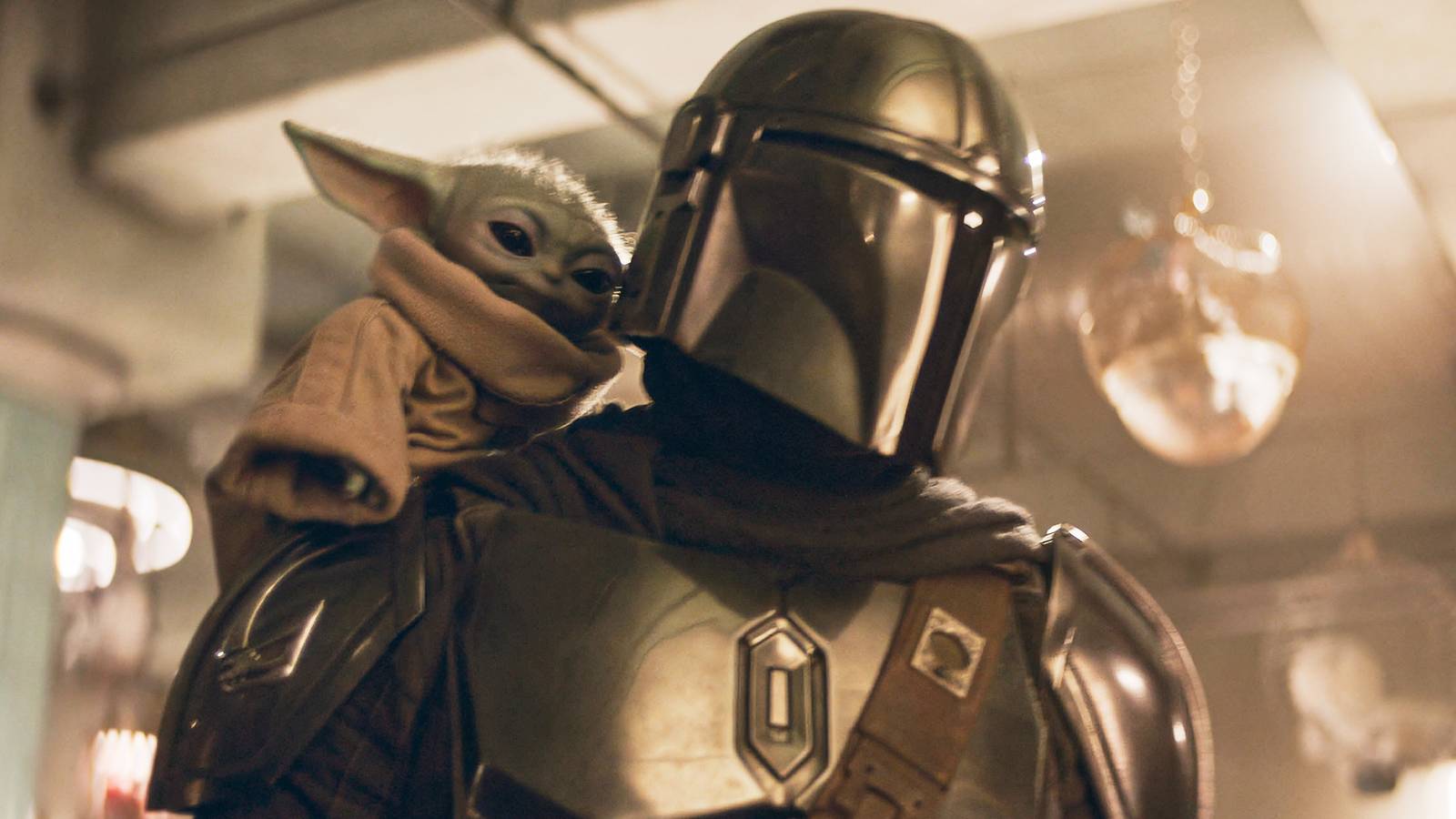
The film’s biggest misstep may be its refusal to engage with the larger Star Wars mythology. Set after Return of the Jedi, it could have explored the aftermath of the Empire’s fall or the challenges of rebuilding the galaxy. Instead, it confines itself to a single, self-contained mission—one that feels more like an extended Mandalorian TV episode than a cinematic adventure. This approach may satisfy younger audiences and casual fans, but it leaves longtime enthusiasts craving something with more depth.
“The key problem lies in the Mandalorian himself… Without a face and with the awkwardness of post-synchronized dialogue, the Mandalorian feels more like a vessel and less like a person.”
—Critic review from Vulture, May 18, 2026
Grogu Gets the Best Moments—But Not Enough to Save the Film
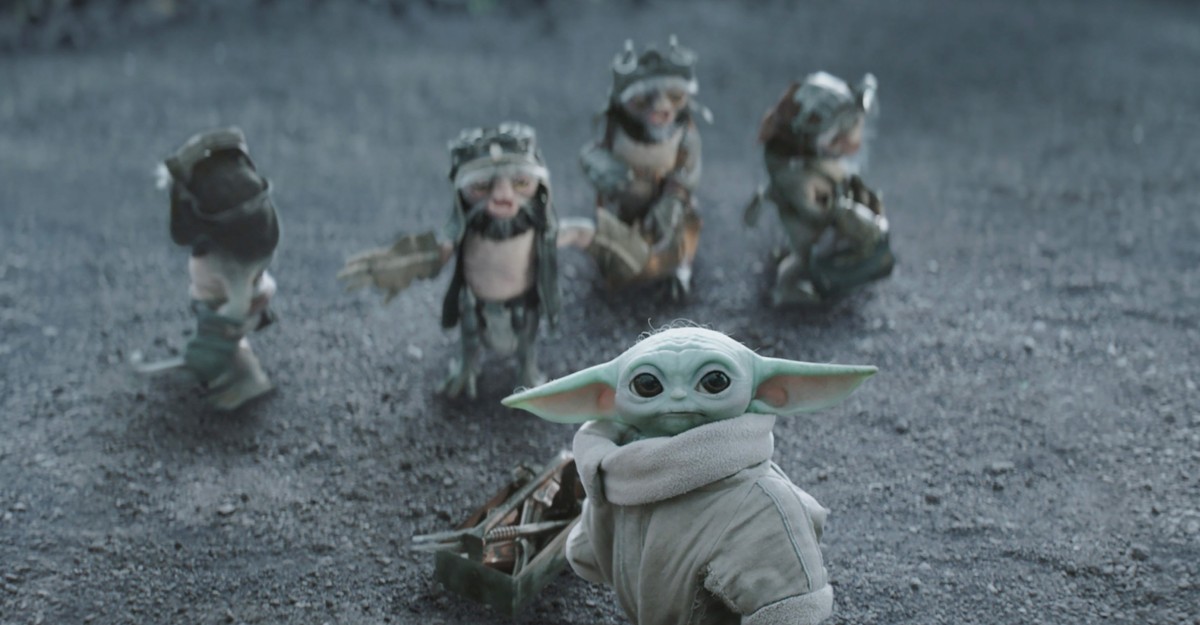
If there’s a silver lining to The Mandalorian and Grogu, it’s the character of Grogu. The adorable, Force-sensitive alien—once known as “Baby Yoda”—steals the show in the film’s third act, leading a swamp-bound adventure that feels like a throwback to the whimsical Amblin films of the 1980s. This segment is the only part of the movie that feels truly alive, offering a rare moment of creativity in an otherwise formulaic script.
Even this highlight, however, isn’t enough to transform the film into a must-see experience. The rest of The Mandalorian and Grogu suffers from flat performances, particularly from Pedro Pascal’s voice work as the titular character. Without the benefit of Clint Eastwood’s iconic presence (as referenced in critic reviews), the Mandalorian’s stoic demeanor comes across as lifeless rather than compelling.
A Film Built for Kids, Not for the Galaxy
The most glaring issue with The Mandalorian and Grogu is its apparent target audience. The film feels designed for children—filled with roaring monsters, silly creatures, and minimal stakes. While this approach may ensure a PG rating and broad appeal, it alienates the older fans who have kept Star Wars relevant for decades.
Consider the film’s two most engaging moments:
- Martin Scorsese’s voice work: The legendary director lends his voice to a four-armed alien food truck vendor, providing the only truly memorable performance in the film. This casting choice—while fun—feels like a novelty rather than a deliberate creative decision.
- Grogu’s swamp adventure: A well-executed, kid-friendly sequence that stands out against the film’s otherwise lackluster pacing. Yet even this segment doesn’t elevate the movie to must-watch status.
The rest of the film is a series of safe, unremarkable set pieces. Battles feel generic, dialogue is flat, and the emotional core—what little there is—lacks the depth that once made Star Wars special. The result is a movie that will satisfy no one except the most devoted franchise fans and parents looking for a distraction during a long flight.
What This Means for the Future of Star Wars
The Mandalorian and Grogu isn’t just a bad film—it’s a film that signals a shift in how Disney approaches Star Wars. Rather than taking risks or pushing the franchise forward, the studio seems content to play it safe, delivering content that minimizes controversy and maximizes merchandising potential.
For business analysts, this approach raises questions about the long-term viability of the franchise. While Star Wars has always had a broad appeal, its ability to innovate has been a key driver of its success. If future films continue to prioritize safety over creativity, they risk losing the passion of their core audience—those who grew up with the original trilogy and demand more than just safe, forgettable entertainment.
The film’s box office performance will be telling. If it underperforms, Disney may double down on this cautious approach, leading to a franchise that becomes increasingly irrelevant to older fans. If it performs well, it could signal that the studio is willing to settle for incremental growth over bold innovation—a decision that could have serious consequences in the long run.
The Bottom Line: A Movie for Naps, Not for Fans
The Mandalorian and Grogu is not a bad film—it’s just a boring one. It lacks the ambition, the stakes, and the emotional resonance that have made Star Wars a cultural phenomenon. For families looking for a lighthearted diversion, it may suffice. For fans expecting a true Star Wars experience, it will be a disappointment.
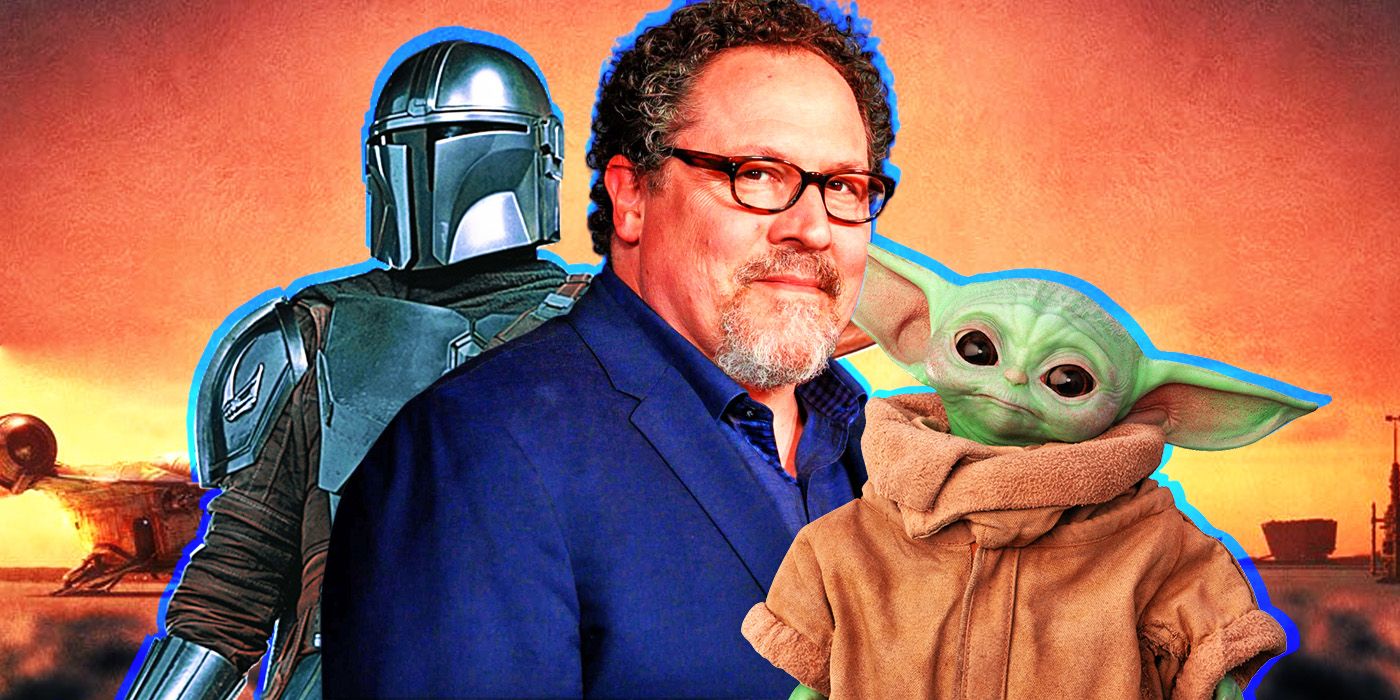
The real tragedy is that this could have been so much more. With Jon Favreau’s direction, Dave Filoni’s storytelling expertise, and the star power of Pedro Pascal and Sigourney Weaver, the film had the potential to be a landmark entry in the franchise. Instead, it feels like a missed opportunity—a chance to grow up, to take risks, and to redefine what Star Wars could be in the modern era.
What’s Next for Star Wars?
With The Mandalorian and Grogu now in theaters, all eyes turn to the future of the franchise. Upcoming projects include:
- A potential Star Wars TV series focusing on a fully grown Grogu, as hinted at in recent interviews with Favreau and Filoni.
- Continuation of the Mandalorian series on Disney+, though its future remains uncertain following this film’s mixed reception.
- Rumors of a new trilogy directed by Taika Waititi, which could finally bring the bold, creative energy back to the franchise.
For now, fans are left wondering: Will Disney continue to play it safe, or will it take the risks needed to keep Star Wars relevant for the next generation?
Share your thoughts: Do you think The Mandalorian and Grogu is a step forward or backward for the franchise? Leave your comments below or join the discussion on our social channels.