In the complex and often opaque landscape of the United States Supreme Court, the “shadow docket”—a term used to describe the Court’s emergency orders and summary decisions issued without full briefing or oral argument—has become a focal point of intense scrutiny. Recent discourse surrounding the Court’s use of this mechanism has highlighted a growing tension, particularly regarding the consistency of how these emergency stays are applied. Legal observers and scholars have increasingly questioned whether the internal processes governing these urgent requests, specifically those managed by individual justices, reflect a neutral application of the law or a more variable approach based on the underlying merits of the case.
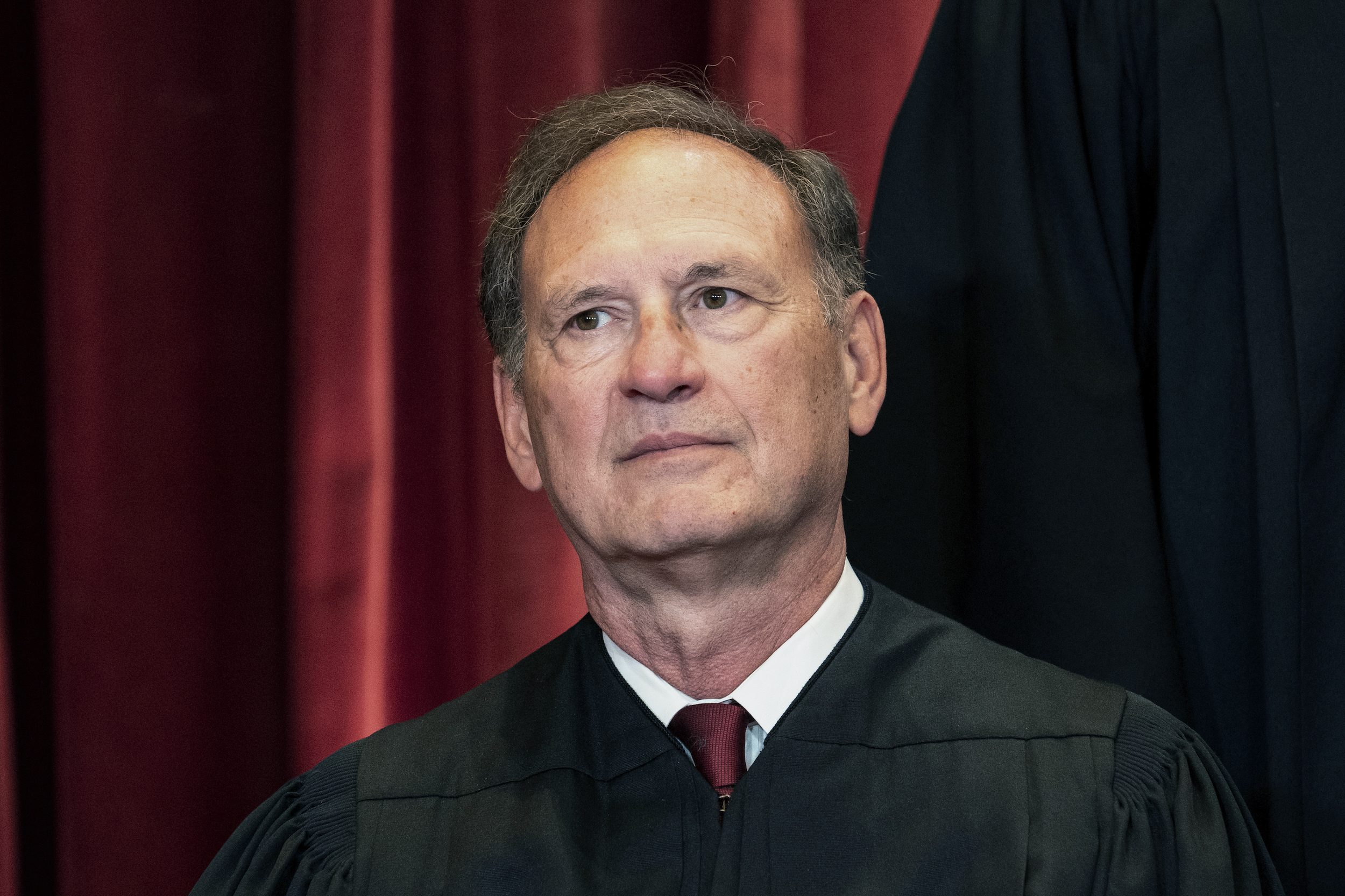
At the center of this debate is the role of Justice Samuel Alito. As the Circuit Justice for the Fifth Circuit, Justice Alito frequently handles initial emergency applications from that region. Observers have noted distinct patterns in how these administrative stays are issued, suggesting that the procedural handling—specifically whether a stay is open-ended or subject to a strict deadline—often correlates with the Justice’s apparent perspective on the case. This procedural variation has sparked a broader conversation about the legitimacy of the shadow docket and whether the lack of transparent reasoning in these orders undermines the Court’s perceived impartiality.
The Mechanics of Administrative Stays
An administrative stay is a temporary measure designed to maintain the status quo while the Court considers whether to grant a more formal stay of a lower court’s ruling. While these orders are intended to be procedural stopgaps, their impact can be profound. When a justice issues an administrative stay, it effectively freezes the legal landscape, often preventing the implementation of a lower court’s decision until the full Court can act. The concern raised by critics is that the duration and conditions of these stays appear to be managed with a level of discretion that can signal the outcome or the Court’s leanings before a formal decision is even reached.

The controversy is not merely academic. For parties involved in high-stakes litigation, the difference between an indefinite stay and a time-limited one can create significant uncertainty. When the Supreme Court issues an order—whether on the merits or as part of the emergency docket—the absence of an explanation can leave lower courts, litigants and the public to interpret the signals behind the silence. This “tea-leaf reading” process, as some legal experts describe it, is precisely what many critics argue should be avoided to preserve the Court’s institutional integrity.
Evaluating Consistency and Transparency
The debate over the shadow docket is fundamentally a debate about transparency. When the Supreme Court issues an unexplained order, it provides no rationale for its decision, making it difficult for observers to understand the legal principles being applied. While the Court has long utilized emergency procedures to handle time-sensitive matters, the increased frequency and visibility of these orders have prompted calls for a more structured and transparent approach. Some legal scholars advocate for a clearer set of criteria that would dictate when an emergency stay is appropriate and require the Court to provide at least a baseline level of reasoning for its actions.
the criticism directed at Justice Alito and other members of the Court regarding their handling of these dockets often emphasizes the risk of appearing partisan. If the procedural rules for emergency relief are perceived as shifting depending on the political or ideological nature of the case, it can erode public trust in the judiciary. The challenge for the Court is to balance the need for efficient, timely resolution of emergency matters with the fundamental requirement that its decisions be grounded in clear, consistent, and explainable legal reasoning.
The Broader Implications for Judicial Reform
Discussions regarding the shadow docket are frequently linked to wider conversations about potential Supreme Court reform. Proposals for change often focus on the need for increased transparency, the potential for expanding the number of justices to reduce the influence of any single member, or the implementation of binding ethics codes. However, any serious effort at reform must address the practical realities of how the Court manages its emergency caseload. The goal, according to many reform advocates, is to ensure that the shadow docket is reserved for genuine emergencies where immediate action is required to prevent irreparable harm, rather than serving as a tool for managing the Court’s broader docket.
the debate serves as a reminder of the vital role the Supreme Court plays in the American legal system and the high expectations placed upon it. Whether the Court will move toward greater transparency in its emergency orders remains an open question. For now, the focus remains on the individual and collective actions of the justices as they navigate the difficult balance between expediency and the need for a reasoned, predictable, and transparent judicial process. As the Court continues to address complex legal challenges, the scrutiny of its procedures will likely remain a central theme in the national conversation about the rule of law.
The Supreme Court’s next steps in addressing these procedural concerns remain to be seen, as the Court periodically updates its internal practices and procedures during its term. Interested parties and the public can monitor the Court’s official website for future orders, docket updates, and any potential changes to the handling of emergency applications. We encourage our readers to follow these developments and share their insights on the role of the judiciary in our modern legal landscape.