
As Idahoans head to the polls on Tuesday, May 19, 2026, the state’s political landscape is undergoing a critical moment of evaluation. The 2026 primary elections are set to determine the trajectory of Idaho’s representation in Washington and the leadership of its state government, with several high-profile incumbents facing challenges that could signal shifts in voter priorities.
With voting currently underway across the state, the focus remains on the high-stakes contests for the U.S. Senate, the Governor’s office and key seats in the U.S. House of Representatives. In a state where Republican primary winners often carry the momentum into the general election, these contests are proving to be the definitive battles for political influence in the region.
High-Stakes Battles: U.S. Senate and Gubernatorial Races
One of the most watched contests is the Republican primary for the U.S. Senate. Incumbent Senator Jim Risch is seeking re-election, navigating a field that includes several challengers. The race features Joe Evans, Denny LaVe, and Josh Roy, all of whom are vying to present an alternative vision for Idaho’s representation in the upper chamber of Congress.
On the Democratic side, the primary to determine the party’s nominee for Senate includes candidates David Roth and Brad Moore. As the results begin to trickle in, the margin between these candidates will provide essential data on the direction of the Idaho Democratic Party heading into the autumn months.
Parallel to the Senate race, the battle for the Idaho Governor’s mansion is reaching a fever pitch. Incumbent Governor Brad Little is seeking another term, facing competition within the Republican primary from Sean Calvert Crystal and Mark Fitzpatrick. Given the importance of executive leadership in managing the state’s rapid growth and economic policy, the outcome of this primary is expected to have long-lasting implications for Idaho’s administrative direction.
The Democratic primary for Governor is also characterized by a competitive field. Candidates Terri Pickens, Maxine Durand, Jill C. Kirkham, and Chanelle Torrez are all contending for the nomination. The diversity of this field suggests a robust debate within the party regarding the state’s social and economic priorities.
Congressional Contests: Shaping the House Delegation
The primary elections also extend to Idaho’s congressional districts, where the stability of the state’s House delegation is being tested. In the 1st Congressional District, the Republican primary features incumbent Russ Fulcher, who is facing a challenge from Andy Briner. On the Democratic side, Kaylee Peterson is running to secure the party’s nomination for the district.
The 2nd Congressional District presents another significant contest. Incumbent Representative Mike Simpson is seeking to maintain his seat in the Republican primary, where he faces a challenge from Brian Keene. The Democratic primary for this district includes Ellie Gilbreath and Julie Wiley, both of whom are competing to represent the party in the general election.
Key Takeaways from the 2026 Idaho Primaries
- Incumbent Strength: Several key figures, including Jim Risch, Brad Little, Russ Fulcher, and Mike Simpson, are defending their seats, testing the strength of established political leadership in Idaho.
- GOP Dominance: As is characteristic of Idaho politics, the Republican primaries are serving as the primary battlegrounds for determining the state’s future legislative and executive direction.
- Democratic Competition: Both the gubernatorial and Senate Democratic primaries feature multi-candidate fields, indicating a period of internal party deliberation.
- Congressional Stability: The races in House Districts 1 and 2 will determine whether the current congressional representation remains intact or shifts toward new voices.
Understanding the Impact of Idaho’s Primary Results
For observers of American politics, Idaho’s primaries offer a window into the evolving preferences of conservative and moderate voters in the Mountain West. The results of these elections will not only decide who appears on the November ballot but will also serve as a barometer for the national political climate. A strong showing for incumbents may suggest a desire for continuity, while successful challenges could signal a growing appetite for change within the state’s political establishment.
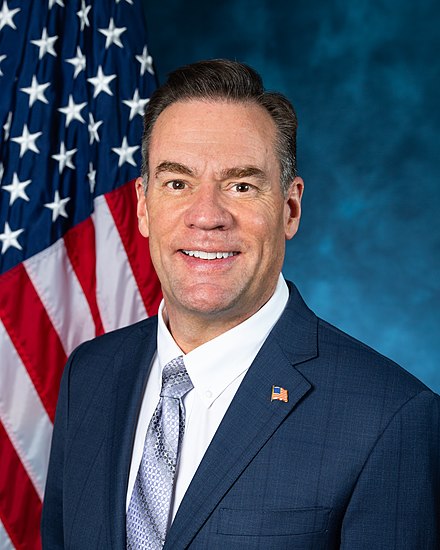
As the night progresses, election officials will continue to process ballots. While initial reports may fluctuate, the final tallies will provide a definitive roadmap for Idaho’s political engagement throughout the remainder of 2026.
| Office | Republican Candidates | Democratic Candidates |
|---|---|---|
| U.S. Senate | Jim Risch (Incumbent), Joe Evans, Denny LaVe, Josh Roy | David Roth, Brad Moore |
| Governor | Brad Little (Incumbent), Sean Calvert Crystal, Mark Fitzpatrick | Terri Pickens, Maxine Durand, Jill C. Kirkham, Chanelle Torrez |
| U.S. House (Dist. 1) | Russ Fulcher (Incumbent), Andy Briner | Kaylee Peterson |
| U.S. House (Dist. 2) | Mike Simpson (Incumbent), Brian Keene | Ellie Gilbreath, Julie Wiley |
Official results are expected to be finalized following the completion of the vote count and the subsequent certification process by state election authorities.
We will continue to provide updates as official election tallies become available. Please share this report and join the conversation in the comments below regarding the impact of these elections on your community.
Keep reading