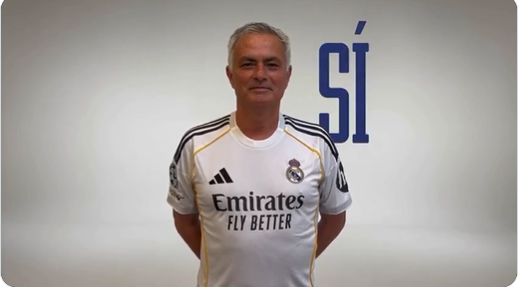
The persistent rumors surrounding a potential return of José Mourinho to Real Madrid have once again dominated the headlines in European football. As a journalist who has followed the tactical shifts of the “Special One” for over a decade, I find the discourse surrounding his possible reunion with Florentino Pérez to be as much about the club’s institutional identity as it is about on-pitch strategy. While speculation often runs rampant in the Spanish sports media, it is essential to distinguish between calculated political maneuvering and concrete professional commitments.
The narrative of a Mourinho comeback typically surfaces during periods of uncertainty at the Santiago Bernabéu. With Florentino Pérez’s long-standing leadership often subject to the rigorous democratic processes of the club’s presidential elections, the mention of a high-profile manager serves as a potent rallying cry for the membership—the socios. However, looking at the current landscape of the Spanish La Liga, one must weigh these reports against the reality of the club’s existing project and the financial implications of such a significant coaching transition.
The Context of Presidential Elections at Real Madrid
To understand why these rumors gain traction, one must first understand the structure of Real Madrid. Unlike many European clubs that have moved toward private equity ownership, Real Madrid remains a member-owned institution. The presidency is decided by the socios, and the promise of a marquee managerial appointment is a time-tested strategy to secure support. Florentino Pérez, who has served as president in two distinct stints—first from 2000 to 2006 and again from 2009 to the present—has historically utilized the “Galáctico” philosophy, whether applied to players or managers, to define his mandate, as detailed in the official club governance records.
Recent reports suggesting that Mourinho has “said yes” to a return contingent upon a Pérez reelection remain, as of this writing, unconfirmed by any official statement from either the club or the manager’s representatives. In the world of elite football, “agreements” that are contingent upon future political events are rarely binding in a legal sense. They are often expressions of mutual interest rather than signed contracts, and any claims of a “signed contract” circulating in the media should be viewed with extreme skepticism until verified by the club’s official communication channels.
Financial Realities and the Cost of Change
The financial impact of hiring a manager of Mourinho’s stature is substantial. Beyond the base salary, which would undoubtedly rank among the highest in world football, We find the complexities of existing contractual obligations to current staff and the potential for significant restructuring of the technical department. When discussing the potential for a multi-million-euro expenditure, it is vital to remember the club’s adherence to Financial Fair Play (FFP) regulations and La Liga’s own strict economic control measures, which monitor the salary caps of all member clubs, as outlined by La Liga’s official economic control portal.
Speculation regarding an increase of “10 million” in costs—often cited in various outlets—lacks a transparent breakdown of whether these figures refer to severance packages, signing bonuses, or auxiliary staff costs. Without a verified financial disclosure or a statement from the club’s board, these numbers remain speculative. In my experience, the cost of a managerial change at a club the size of Real Madrid involves layers of legal and financial negotiation that are rarely captured accurately in the early stages of a rumor cycle.
Mourinho’s Legacy and the “Special One” Factor
José Mourinho’s tenure at Real Madrid (2010–2013) remains one of the most polarizing and successful chapters in the club’s modern history. During his three seasons, he guided the team to a historic La Liga title in 2012, setting records for points and goals that stood for years. His time in Madrid was defined by an intense rivalry with Pep Guardiola’s Barcelona, a period that fundamentally altered the tactical landscape of European football.
For many fans, the idea of a return represents a desire to recapture that level of intensity and domestic dominance. However, football is a sport that rarely permits a perfect recreation of the past. The tactical requirements of the current Real Madrid squad, which features a different blend of youth and experience compared to the 2010 roster, would require a different approach. Any analysis of a potential return must consider not just the nostalgia of the fans, but the current strategic direction of the club’s sporting directorate.
Key Considerations for the Future
- Governance: The club’s presidential election cycle dictates the timing of any major strategic announcements.
- Contractual Status: There is currently no official verification that any pre-agreement exists between the parties mentioned.
- Regulatory Compliance: Any major hiring must fit within the stringent budget limits enforced by the Spanish football authorities.
- Squad Dynamics: The current roster’s tactical profile would need to be reconciled with the manager’s established philosophy.
As we monitor this situation, it is important to look for updates from the club’s official website and verified press releases. Real Madrid, as a publicly transparent institution in its reporting to members, will eventually clarify its path forward through its annual assembly or official statements. Until then, the focus remains on the current season and the challenges ahead in the league and European competition.
We will continue to track any official developments regarding the club’s leadership and technical staff as they occur. For those interested in the formal proceedings of the club, the Real Madrid Newsroom remains the only primary source for confirmed information. What are your thoughts on a potential return for the Portuguese manager? Join the conversation in the comments section below and share your perspective on the future of the club.