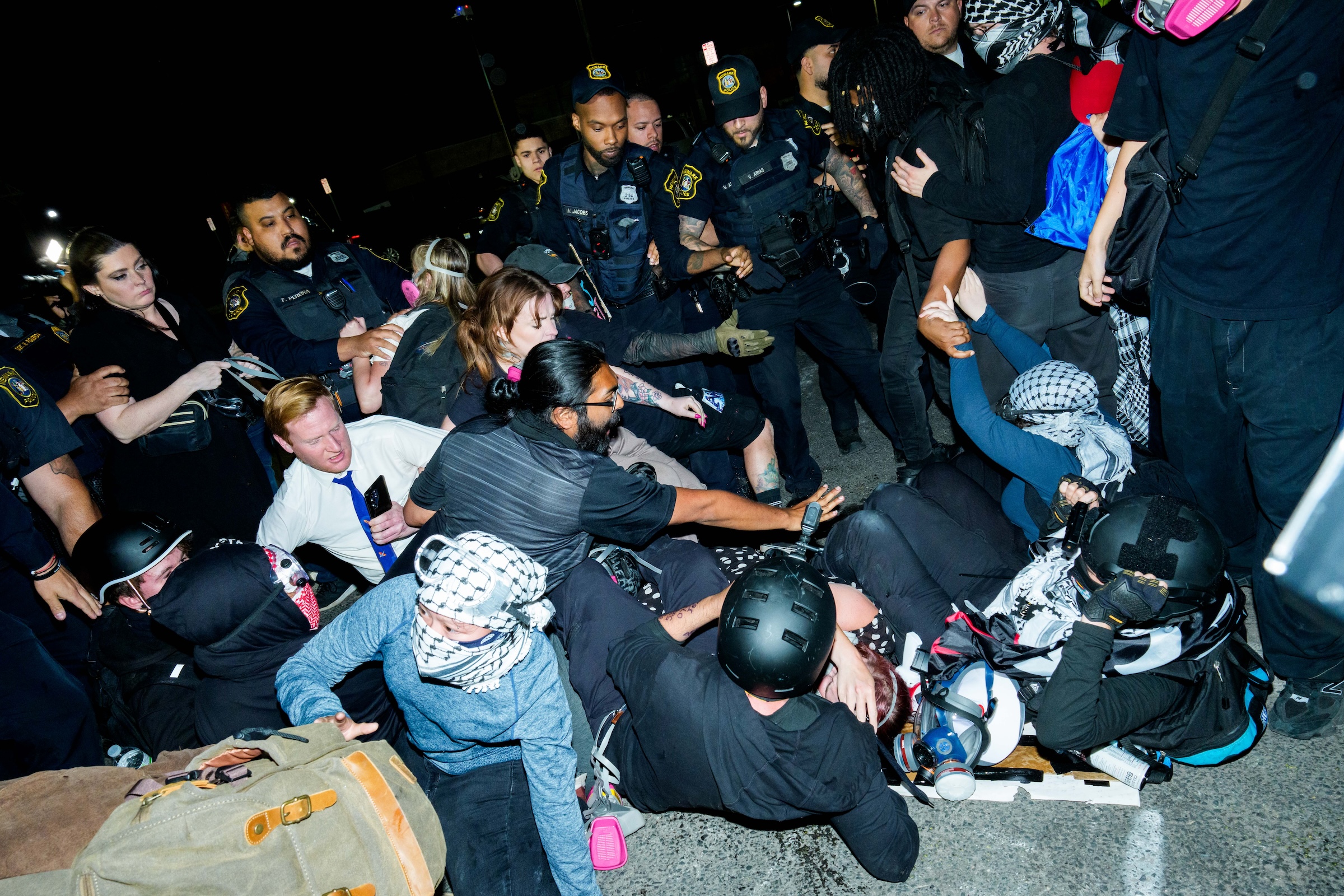
In the wake of ongoing protests at the Delaney Hall immigration detention facility in Newark, New Jersey, a significant coalition of press freedom advocates has formally denounced the legal actions taken against members of the media. The controversy centers on the events of May 31, during which at least three journalists were arrested while documenting demonstrations at the site. The situation has ignited a broader conversation regarding the protection of the press and the limits of law enforcement authority during public assemblies.
The coalition, representing over a dozen organizations dedicated to the defense of journalism, is calling for the immediate dismissal of charges against the detained reporters. These arrests are the latest point of tension in a series of confrontations between protesters, who are highlighting the conditions faced by hunger strikers at the facility, and the law enforcement agencies tasked with maintaining order. As the debate intensifies, stakeholders are increasingly focused on the intersection of civil liberties, the right to assembly, and the essential role of independent reporting in the public interest.
Press Freedom and the Right to Report
The core of the current dispute rests on the legal protections afforded to journalists covering civil unrest. According to the U.S. Press Freedom Tracker, which documents incidents of targeted violence and legal retaliation against the media, the environment for photojournalists and reporters has become increasingly volatile. The coalition of advocacy groups argues that the detention of journalists impedes the public’s right to be informed about the conditions inside detention centers and the nature of the protests occurring outside them.
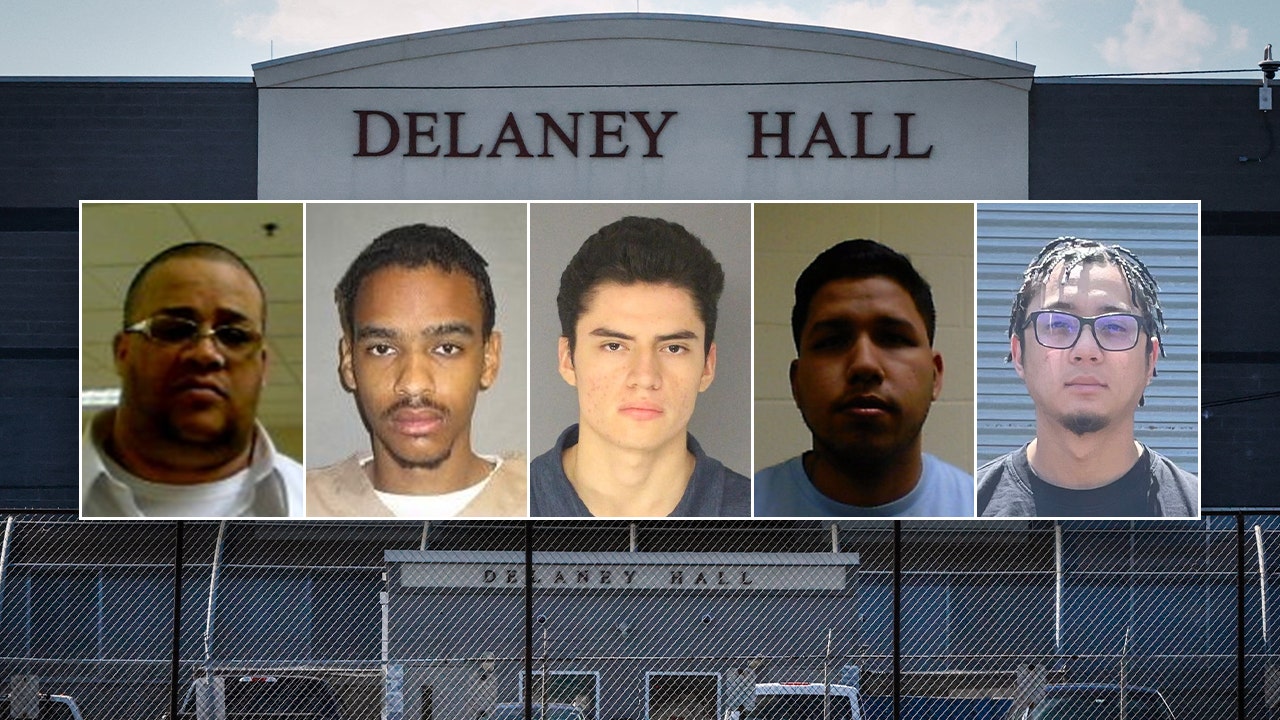
Legal experts note that while law enforcement agencies, including those operating under the jurisdiction of U.S. Immigration and Customs Enforcement (ICE), have mandates to maintain facility security, these actions must be balanced against First Amendment rights. The arrests in Newark have prompted a review of how local and federal agencies interact with the press, particularly during demonstrations where the line between participant and observer can be contested by responding officers.
Understanding the Conflict at Delaney Hall
Delaney Hall has served as a flashpoint for immigration policy debates for several months. Protesters have gathered consistently to advocate for the rights of individuals held in detention, specifically citing the health and safety of those participating in hunger strikes. These strikes, often used as a tool of last resort by detainees to protest detention conditions, have drawn attention to the broader U.S. Immigration detention system.
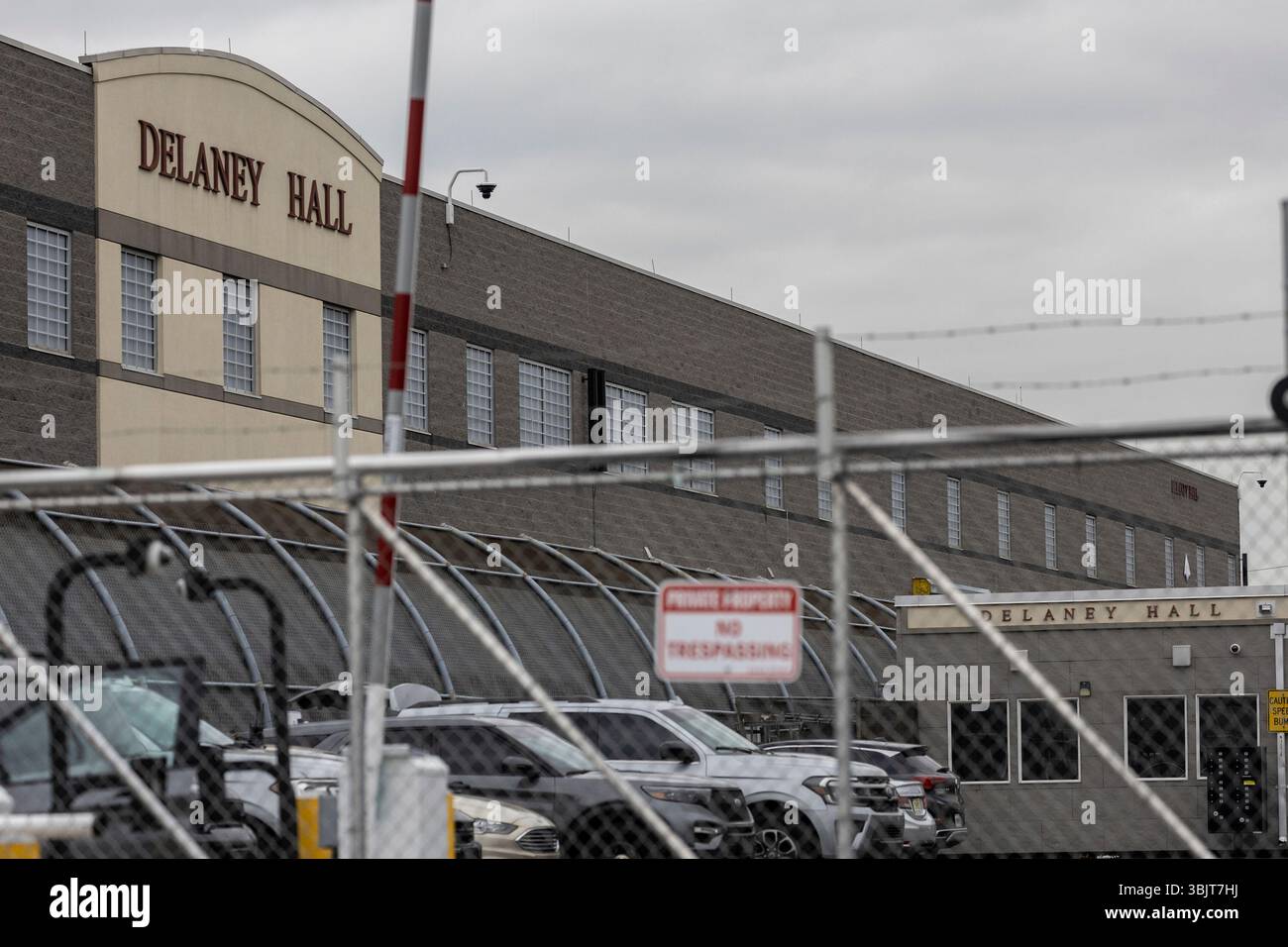
The presence of journalists has been vital to documenting these events, yet many in the field report a pattern of obstruction. Photojournalists have alleged that they are frequently singled out by law enforcement during these protests. While figures regarding the total number of incidents vary, the recurring nature of these reports has led to heightened scrutiny from civil rights organizations, who are now pressuring local authorities to provide transparency regarding the policies governing media access at the Newark facility.
Impact on the Media Landscape
The incident on May 31 is being scrutinized not only for the specific charges brought against the three journalists but for the chilling effect it may have on the press. When journalists are arrested while performing their duties, it raises fundamental questions about the transparency of government institutions. The Society of Professional Journalists emphasizes that the duty of the reporter is to minimize harm while seeking the truth, a mandate that is difficult to fulfill when the reporter themselves is subject to detention or physical intimidation.
As the legal process unfolds for those arrested, the media community remains vigilant. The focus is now on whether the prosecutor’s office will move forward with the charges or if the pressure from national advocacy groups will lead to a withdrawal of the complaints. Observers note that the outcome of this case could set a significant precedent for how future protests at immigration facilities are handled across the United States.
Looking Ahead: Accountability and Legal Next Steps
As of June 6, 2026, there have been no further official updates regarding the specific court dates for the journalists arrested on May 31. Legal observers are awaiting the next filing from the Newark municipal court, which will clarify whether the charges will be pursued or dismissed. Civil rights organizations have indicated they are preparing to file formal inquiries into the conduct of the responding officers during the protests.
For those following this developing story, official updates can typically be monitored through the New Jersey Courts public access portal, where case dockets are updated as motions are filed. The broader implications for press freedom in the United States remain a subject of intense debate, and further demonstrations are expected at the facility in the coming weeks. We encourage our readers to share their perspectives on the balance between security and the freedom of the press in our comments section below.
Keep reading