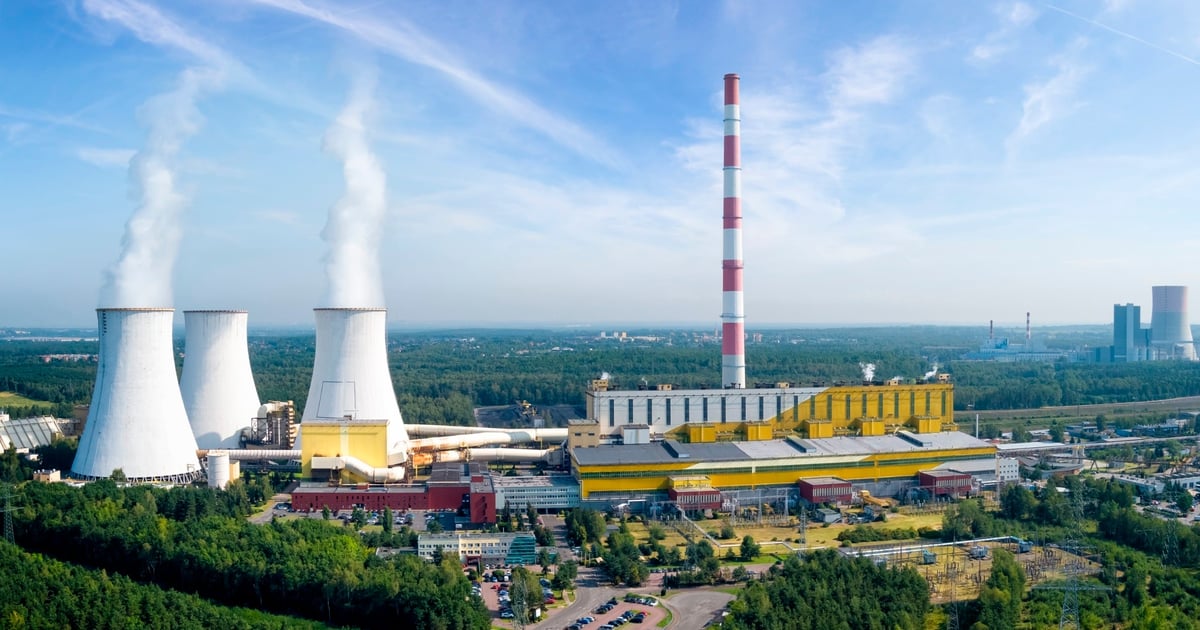
European Union member states face mounting pressure over sweeping revisions to the Emissions Trading System (ETS), with energy sector analysts warning that proposed modifications fail to insulate household budgets from steep increases. According to reports from Business Insider Polska, structural adjustments to the carbon market are advancing through legislative pipelines, yet critics and energy providers argue the adjustments remain largely superficial. As industrial giants across the continent caution against escalating compliance costs, everyday consumers confront the prospect of escalating utility bills, with particular pressure accumulating around electricity tariffs, district heating, and municipal waste management charges.
The core policy debate centers on how industrial compliance expenses under the EU’s climate architecture trickle down to municipal service providers and retail ratepayers. While European regulators maintain that market-based mechanisms are essential to achieve long-term decarbonization targets, national energy firms and financial economists contend that the current reform timeline provides inadequate protection against price shocks. Industry stakeholders point out that structural market adjustments offer nominal relief on paper while leaving the underlying cost burdens intact for regional utility operators.
As EU finance ministers prepare for contentious negotiations regarding budgetary autonomy and revenue allocation, the debate highlights a deepening rift between overarching climate mandates and regional economic realities. National governments find themselves balancing compliance with strict carbon reduction schedules against the immediate political and social fallout of surging living costs.
Industrial Warnings and the Anatomy of ETS Reform
The European Commission’s updated framework for the Emissions Trading System has triggered intense pushback from heavy industry and energy producers throughout Central and Eastern Europe. Major utility providers in Poland and Germany have evaluated the reform proposals, concluding that the adjustments fall short of what is required to safeguard regional manufacturing competitiveness. As reported by Money.pl, corporate leaders in energy-intensive sectors have issued stark warnings regarding industrial decline if carbon allowance pricing continues to outpace technological adaptation cycles.
The revised mechanism modifies allowance allocation rules and tightens overall emission caps, designed to accelerate the green transition across member states. However, because energy generation and municipal heating systems still rely heavily on transitional fuels, operators must purchase increasingly expensive emission certificates. These expenses flow directly into the operational budgets of municipal utility companies, which must pass the costs on to end-users.
Financial analysts reviewing the regulatory updates note that the reforms preserve the fundamental cost drivers of the carbon market. While modifications include certain provisions for phasing in obligations or providing temporary allowances, the underlying trajectory of carbon pricing points upward, ensuring that compliance expenses remain a primary driver of wholesale energy inflation.
Impact on Electricity, Heating, and Municipal Waste Tariffs
Household budgets across the bloc face multi-sector pressures as the costs of the revised carbon framework permeate everyday services. Electricity generation remains directly tied to the cost of EU allowances, meaning wholesale power prices fluctuate in tandem with carbon market valuations. According to analyses published by wnp.pl, regional power producers argue that the proposed revision timeline offers insufficient safeguards during peak demand periods.
District heating networks, which heat millions of residential apartments across urban centers, face severe cost escalations. Municipal heating plants that have not yet completed full decarbonization face substantial outlays for ETS compliance, expenses that routinely appear on household heating bills. Simultaneously, municipal waste management and incineration facilities fall under expanding regulatory scopes, driving up the cost of waste disposal for local communities.
Local government associations have repeatedly cautioned that municipal budgets cannot absorb these recurring compliance expenses without raising local taxes and service fees. Consequently, consumers face a cumulative financial burden spanning electricity consumption, winter heating, and basic municipal sanitation services.
Intergovernmental Friction Over Budgetary Control
The regulatory dispute extends beyond energy markets into institutional power struggles between national capitals and Brussels. As documented by OKO.press, unresolvable disagreements have emerged among EU finance ministers regarding revenue distribution and national autonomy over green funds. Member states argue against overly prescriptive European Commission oversight concerning how national carbon revenues and transition funds must be allocated.
National treasuries rely on ETS auction revenues to cushion the social impact of high energy prices and fund local modernization projects. However, strict conditionalities imposed by European regulators limit how quickly and flexibly these funds can be deployed. This friction threatens to stall broader fiscal agreements as finance ministries demand greater discretion in managing transition expenditures.
The upcoming ministerial summits will test the cohesion of the bloc’s economic policy as governments negotiate the final parameters of the reform package. Observers note that without substantial compromises on revenue flexibility and localized buffer mechanisms, public resistance to the expanded ETS framework will likely intensify across member states.
Official timelines indicate that the European Council and relevant parliamentary committees will continue legislative debates through the upcoming legislative session, with formal ministerial votes scheduled in the coming months. Readers seeking detailed policy texts, regulatory filings, and updates on scheduled parliamentary hearings can consult the official portals of the European Commission and national energy regulatory authorities.
What are your thoughts on the impact of these carbon market reforms? Join the discussion below and share this analysis with your network.
Related reading