
A United States court has voided the latest set of Pentagon press restrictions, dealing a significant legal blow to Secretary of Defense Pete Hegseth. The ruling comes after a series of contentious attempts by the department to tighten control over journalist access and the dissemination of information from within the building.
The judicial decision follows a period of heightened tension between the military establishment and the press corps. According to reports from several major news outlets, including Politico and The New York Times, a judge rejected what was described as Hegseth’s second attempt to limit the movement and reporting capabilities of journalists at the Pentagon. The ruling was reportedly scathing, with the court finding that the department had previously violated a court order to restore press access.
This legal conflict centers on the balance between national security and the First Amendment. For the global press corps, the ruling is seen as a critical victory in maintaining transparency at the highest levels of American military command, particularly as the department navigates a period of significant structural and ideological transition.
The October 2025 Policy and the ‘Unauthorized Material’ Pledge
The roots of the current legal battle trace back to October 2025, when Secretary Hegseth implemented a stringent new press policy. Under this mandate, journalists were required to pledge that they would not solicit or use unauthorized material—a definition that notably included unclassified information. Reporters who refused to sign the pledge or were found to be in violation of it risked losing their access to the building entirely according to official records of Hegseth’s tenure.
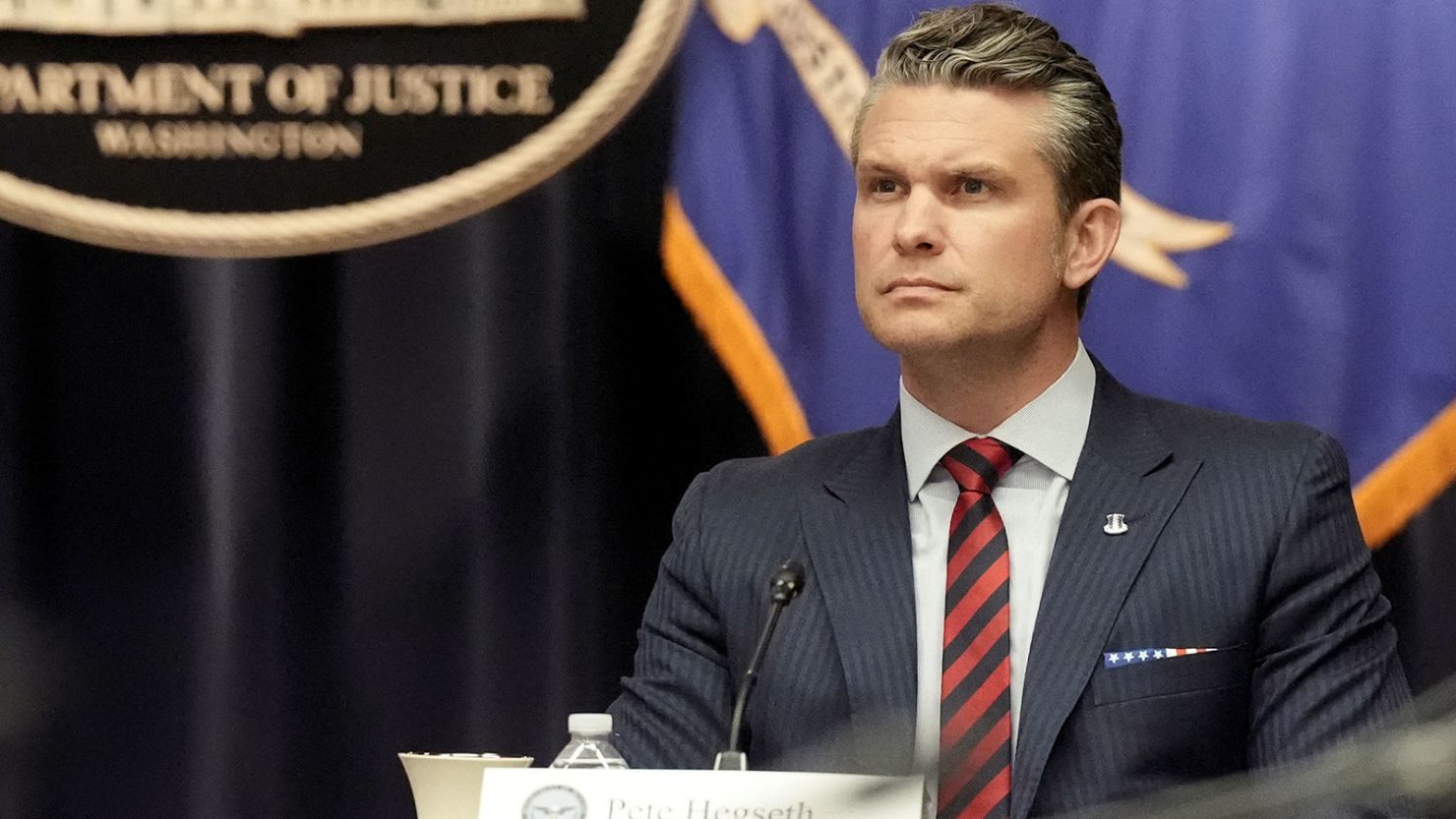
Critics of the policy argued that the broad definition of “unauthorized material” created a chilling effect on reporting, effectively allowing the Pentagon to dictate which unclassified facts could be shared with the public. By requiring a pledge against the use of information that was not explicitly authorized, the policy was viewed by press freedom advocates as an attempt to bypass traditional transparency standards.
The court’s decision to void these restrictions suggests a judicial rejection of the notion that the department can restrict the use of unclassified information as a condition for physical access to the facility. This ruling essentially reinstates the previous standards of access, though the relationship between the Secretary and the press remains strained.
Structural Shifts: From Defense to the Department of War
The struggle over press access has occurred against a backdrop of sweeping changes to the U.S. Military’s administrative identity. Pete Hegseth, who was sworn in as the 29th Secretary of Defense on January 25, 2025, oversaw a fundamental rebranding of the institution. On September 5, 2025, the department’s name was officially changed to the Department of War as detailed in the department’s official biography.
This shift in nomenclature was more than cosmetic; it mirrored a broader ideological pivot within the leadership. Hegseth, a former Fox News contributor and Army National Guard officer, has consistently advocated for a more aggressive and faith-driven approach to military leadership. The change to the “Department of War” signaled a return to a more direct interpretation of the military’s primary function, which some analysts suggest has informed the department’s more restrictive approach to media relations.
Ideological Transitions and the Chaplain Corps
Beyond press policies, Hegseth has sought to reshape the internal culture of the military. In March 2026, he announced significant changes to the military’s chaplain corps, claiming the institution had been “watered down” and “infected by political correctness and secular humanism.” He argued that chaplains had turn into “nothing more than therapists” focusing on self-care rather than faith and virtue as reported by The Guardian.
This drive for a more traditionalist military culture reached a peak during a religious service at the Pentagon on March 26, 2026. During the service, Hegseth prayed for “overwhelming violence of action against those who deserve no mercy” and asked that “every round find its mark against the enemies of righteousness and our great nation” per the service records. These remarks, coming shortly after the capture of Venezuelan President Nicolás Maduro by the U.S., highlighted the assertive posture the Secretary has adopted since taking office.
Impact on Global Journalism and Transparency
The voiding of the Pentagon press restrictions has immediate implications for how international affairs are reported. The Pentagon is the primary source of information for global conflicts, including the ongoing Middle East crisis and the 2025 Iran–Israel war. When access is restricted or conditioned on “pledges of silence,” the global community’s ability to verify military actions is diminished.
The legal victory for the press ensures that reporters can continue to operate without the threat of losing credentials for publishing unclassified but “unauthorized” information. This represents particularly vital for investigative journalists who rely on leaked unclassified documents to uncover policy failures or operational errors.
However, the “scathing” nature of the judge’s ruling—which noted that the Pentagon had previously violated a court order to restore access—indicates a deepening rift between the executive branch’s military leadership and the judicial system. The ruling serves as a reminder that although the Secretary of Defense has broad authority over military operations, that authority does not extend to the suspension of constitutional protections for the press.
| Date | Event | Significance |
|---|---|---|
| January 25, 2025 | Hegseth sworn in as 29th SecDef | Beginning of new leadership era |
| September 5, 2025 | Department renamed “Department of War” | Shift in institutional identity |
| October 2025 | New press policy implemented | Required pledge against unauthorized material |
| March 26, 2026 | Pentagon religious service prayer | Call for “overwhelming violence” against enemies |
| April 2026 | Court voids press restrictions | Judicial rejection of reporter limits |
What Happens Next
With the court ordering the restoration of press access, the Department of War must now comply with the ruling to avoid further judicial sanctions or contempt charges. While the specific “pledge” policy has been voided, it remains to be seen if the department will attempt to implement alternative methods of controlling information flow.
The next confirmed checkpoint will be the department’s formal response to the court’s order and the subsequent implementation of restored access protocols for the press corps. Legal observers will be watching to see if the administration appeals the ruling to a higher court or modifies its press engagement strategy to align with the judicial mandate.
World Today Journal encourages readers to share this story and leave their comments below regarding the balance between national security and press freedom.
Related reading