
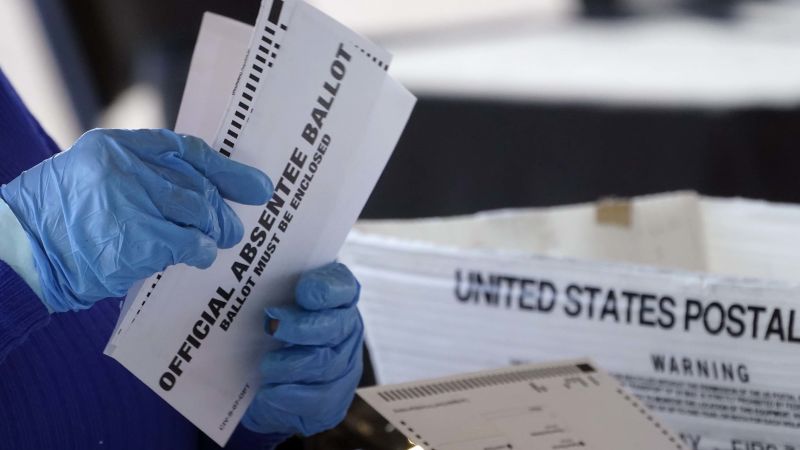
A United States District Judge has ruled that the Department of Justice (DOJ) may retain hundreds of 2020 election ballots and related records seized by the FBI from Fulton County, Georgia. The decision marks a significant legal setback for county officials who argued that the materials are essential for meeting state record-retention mandates and ensuring the smooth administration of future elections.
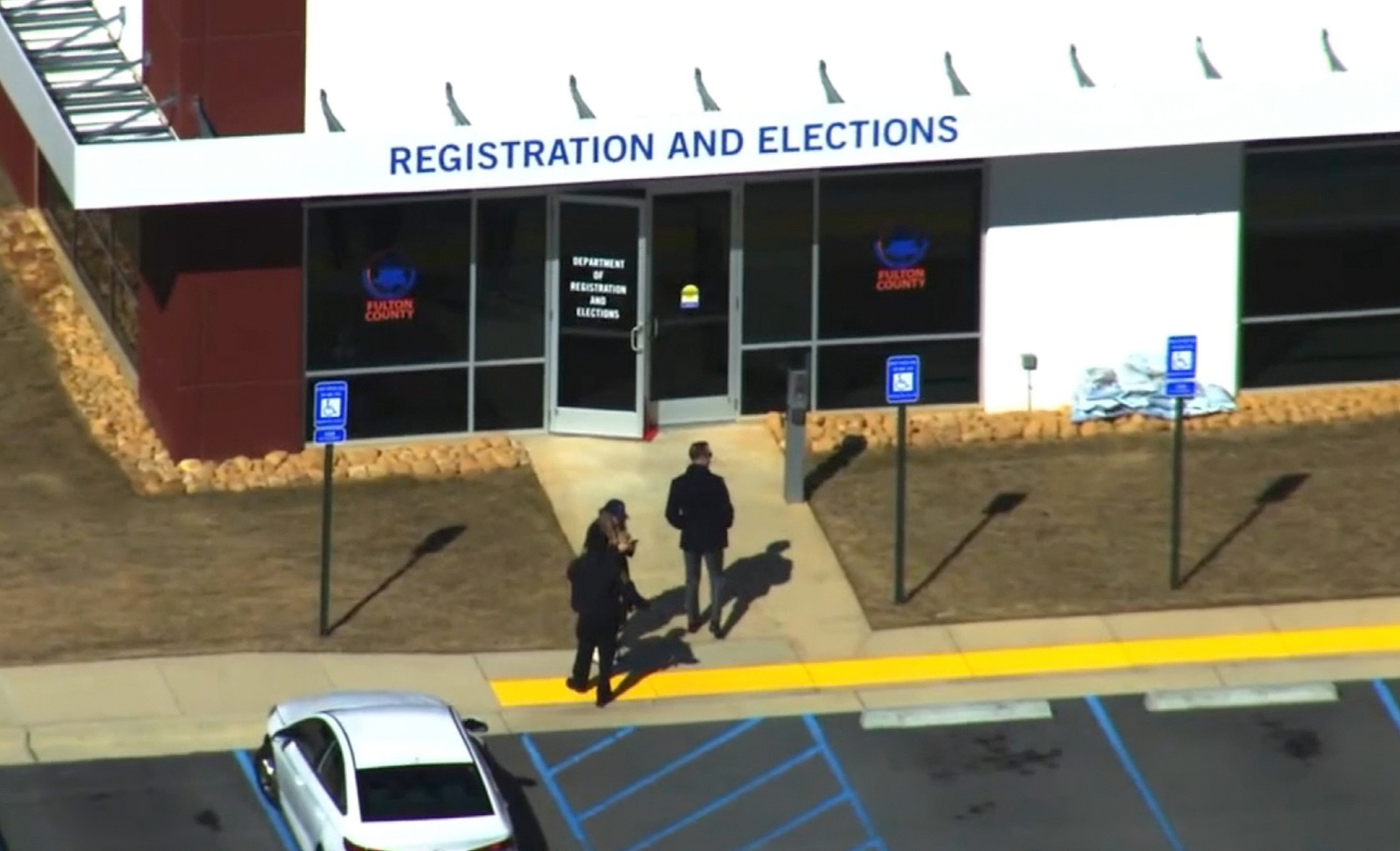
The ruling comes after a protracted legal battle following a January raid on the county’s election operations hub in Union City. Fulton County officials had petitioned the court to order the return of the seized materials, citing the need to maintain institutional records. Although, the court found that the federal government’s interest in maintaining the integrity of an ongoing criminal investigation outweighed the county’s immediate administrative requirements.
While the judge denied the request to return the ballots, the ruling was not a total victory for the federal government. U.S. District Judge J.P. Boulee ordered the Department of Justice to provide specific transparency regarding the timeline of the investigation, requiring the government to answer three precise questions concerning the initiation of the probe and the drafting of the search warrant affidavit.
This legal clash highlights the ongoing tension between state election administration and federal oversight, particularly as the United States continues to navigate the aftermath of the 2020 presidential election. For a global audience, the case serves as a case study in how judicial systems balance the secrecy of criminal investigations against the transparency and record-keeping obligations of democratic institutions.
The Legal Battle Over Election Records
The conflict began in early 2026 when the FBI executed a search warrant at the Fulton County election hub. The operation resulted in the seizure of hundreds of ballots and various materials from the 2020 general election. In response, Fulton County officials filed a lawsuit on February 8, 2026, asking a federal court to order the immediate return of the property Fulton County officials claimed was necessary to satisfy Georgia’s election record-retention requirements.
County representatives argued that the absence of these records could hinder their ability to manage subsequent election cycles, including the upcoming midterm elections. They contended that the ballots are county property and that the federal government’s continued possession of them creates an operational risk for the local election board.
The Department of Justice countered these claims by asserting that the materials are critical evidence in a criminal investigation. According to the affidavit supporting the search warrant, the FBI is investigating possible “deficiencies or defects” in the Fulton County vote count. A central point of the investigation is the county’s own admission that it does not possess scanned images of all the ballots counted during the original 2020 tally or the subsequent recount.
In the legal framework of federal seizures, the government typically maintains possession of evidence if it can demonstrate that the items are necessary for an ongoing probe and that their return would jeopardize the investigation. Judge Boulee’s decision aligns with this precedent, prioritizing the federal criminal inquiry over the county’s administrative preferences.
Scrutiny of the FBI Investigation and Referral
One of the most contentious aspects of the case is the origin of the FBI’s investigation. The probe was initiated following a referral from attorney Kurt Olsen, who currently serves as the “director of election security and integrity” for President Trump. Olsen’s role in overseeing investigations into the 2020 election results has placed the DOJ’s actions under intense scrutiny by political analysts and legal scholars.
The referral by Olsen led the FBI to examine the “deficiencies” mentioned in the affidavit, specifically the missing ballot images. In election administration, scanned images serve as a digital audit trail, allowing officials to verify the intent of the voter without having to handle physical paper ballots repeatedly. The lack of a complete set of these images in Fulton County provided the legal catalyst for the federal government to seek a criminal warrant.
Judge J.P. Boulee, while denying the return of the ballots, expressed that the government should be more transparent about the timing of these events. He ruled that the DOJ must share information regarding three specific dates:
- The exact date that Kurt Olsen referred the investigation to the FBI.
- The date the FBI formally opened the criminal investigation, as identified in the affidavit.
- The date on which the Department of Justice began drafting the affidavit used to secure the search warrant.
In his ruling, Judge Boulee noted that these requests seek “an extremely small amount of information and should be simple to answer.” By forcing the DOJ to disclose these dates, the court is providing a window into whether the investigation followed standard protocols or was accelerated by political pressures.
What This Means for Election Integrity and Law
The refusal to return the ballots has broader implications for how election records are handled in the United States. Georgia law requires strict adherence to record-retention schedules to ensure that elections can be audited and challenged if necessary. When federal authorities seize these records, it creates a legal vacuum where state officials are unable to comply with state law because the records are in federal custody.
For those unfamiliar with the process, an “affidavit” is a written statement confirmed by oath or affirmation, used as evidence in court. In this case, the DOJ’s affidavit served as the justification for the “raid” on the Union City hub. The transparency of this document is crucial, as it reveals the “probable cause” the FBI used to convince a judge that a crime may have been committed.
The focus on “scanned images” is particularly crucial. In modern election systems, the physical ballot is the gold standard, but the digital image is the primary tool for rapid auditing. The admission by Fulton County that some images were missing created a vulnerability that federal investigators are now exploiting to determine if the missing data indicates systemic failure or intentional interference.
From a global perspective, this case underscores the fragility of trust in electoral processes. When the agency responsible for law enforcement (the FBI) and the agency responsible for legal prosecution (the DOJ) seize ballots years after an election, it can be interpreted in two ways: as a necessary pursuit of justice to correct “deficiencies,” or as a politically motivated effort to challenge certified results.
Impact on Stakeholders
The primary stakeholders in this dispute include:
- Fulton County Election Officials: They face the challenge of managing current and future elections while missing a portion of their historical archives, potentially complicating future audits or legal challenges.
- The U.S. Department of Justice: The DOJ is attempting to build a criminal case around the 2020 vote count, and the retention of these ballots is central to their evidence locker.
- The Electorate: Voters in Georgia and across the U.S. Are affected by the perceived stability and security of the vote. The outcome of this investigation could either reinforce the legitimacy of the 2020 results or introduce fresh doubts.
- The Judiciary: Judge Boulee is tasked with balancing the constitutional rights of the government to investigate crimes against the administrative rights of a local government to maintain its records.
The decision to keep the ballots ensures that the evidence remains pristine and under federal lock and key, preventing any possibility of tampering or loss that might occur if the records were returned to the county. However, it also ensures that the “cloud” of investigation remains over Fulton County’s election hub.
Next Steps in the Legal Process
The immediate next step in this legal saga is the delivery of the DOJ’s responses to Judge Boulee’s three questions. The judge had previously set a deadline for these briefs, and the court will now evaluate whether the dates provided by the government align with the narrative presented in the search warrant affidavit.
Once these dates are established, Fulton County may have grounds to challenge the timeline of the investigation or argue that the referral process was irregular. The court continues to consider the broader question of whether the federal government must eventually return the documents once the specific evidence needed for the criminal probe has been mirrored or digitized.
As the investigation continues, the public and legal community will be watching for any indictments or final reports stemming from the “deficiencies” found in the 2020 vote count. Until then, the ballots remain in the custody of the U.S. Department of Justice.
Confirmed Checkpoint: The court is currently awaiting the Department of Justice’s formal response to the three specific timeline questions ordered by Judge Boulee. Any further motions for the return of the ballots will likely depend on the information revealed in these responses.
World Today Journal encourages readers to share this report and provide their perspectives in the comments section below regarding the balance between federal investigations and local election administration.