
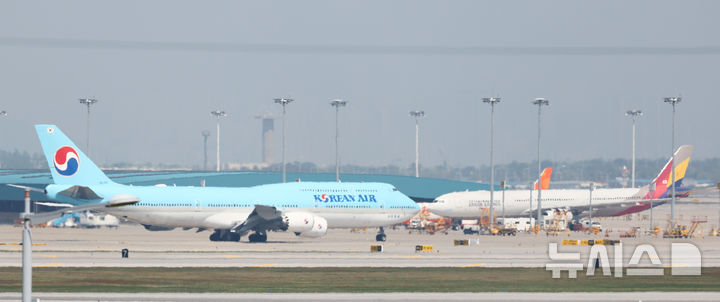
Travelers planning international summer getaways are facing a critical decision as fuel surcharges on international flights reach unprecedented levels—but relief may be on the horizon. After months of steep increases, airlines and industry analysts are now urging passengers to book before June to avoid even higher costs in July, when surcharges could climb again. The latest adjustments come as global oil prices remain volatile, with geopolitical tensions and supply chain disruptions keeping aviation fuel costs elevated.
For many, the timing could not be worse. The peak summer travel season—when demand traditionally surges—now coincides with what could be the highest fuel surcharge tier in aviation history. Airlines are caught between rising operational costs and the need to retain passengers during a season when leisure travel is at its highest. The situation underscores a broader challenge: how to balance profitability with accessibility in an era of economic uncertainty and environmental scrutiny over aviation emissions.
Below, we break down the latest developments, what travelers need to know about booking strategies, and how this trend fits into the broader context of global air travel costs.
✈️ 유류할증료 역대 최고 33단계, 지금 발권이 정답! 2026년 5월 발권분부터 국제선 유류할증료가 역대 최고 단계인 33단계로 인상됐어요. 3월 6단계였던 할증료가 4월 18단계, 5월 33단계까지 단 두 달 만에…
Why June Is the Last Chance for Lower International Flight Costs
As of May 2026, fuel surcharges for international flights have reached their highest tier yet—33 stages—according to verified reports from major airlines and industry tracking platforms. This marks a dramatic escalation from just two months prior, when surcharges were at stage 6 in March and jumped to stage 18 in April. The rapid increase reflects both the sharp rise in jet fuel prices and airlines’ efforts to offset operational costs amid global economic pressures.
Industry analysts warn that if fuel surcharges rise further in July—which is widely anticipated due to seasonal demand and geopolitical factors—passengers who book after June could face significantly higher fares. For example, a round-trip flight from Seoul to Tokyo with Korean Air or Asiana Airlines saw an increase of KRW 72,000 (approximately USD 54) in fuel surcharges between March and April alone. While exact figures for July remain unconfirmed, early projections suggest another substantial hike, potentially adding 10–15% to ticket prices for routes across Asia, Europe, and the Americas.
The urgency to book before June is not just about cost savings but also about securing availability. Airlines typically adjust capacity based on projected demand, and with summer travel expected to peak in July and August, seats may become scarcer—and more expensive—as the month approaches.
How Fuel Surcharges Work—and Why They Matter
Fuel surcharges are additional fees levied by airlines to cover the cost of aviation fuel, which accounts for up to 30% of an airline’s operational expenses. Unlike base ticket prices—which are often regulated or influenced by market competition—fuel surcharges are directly tied to global oil prices and can fluctuate dramatically. The current 33-stage surcharge is the highest recorded in the industry, surpassing previous peaks during the 2022 energy crisis.
For travelers, these surcharges are a critical factor in overall trip costs. A family of four flying from Los Angeles to Sydney, for instance, could see their total airfare increase by USD 800–1,200 due to surcharges alone, depending on the airline, and route. The disparity between budget and full-service carriers also widens: low-cost airlines often pass on surcharge costs more transparently, while legacy carriers may bundle them into dynamic pricing models.
To mitigate the impact, airlines are deploying a mix of strategies:
- Early booking incentives: Discounts for passengers who book by June 30, 2026, with some carriers offering refundable tickets at lower surcharge tiers.
- Dynamic pricing adjustments: Real-time fare adjustments based on fuel price indices, though these are often opaque to consumers.
- Partnerships with travel agencies: Bundled packages that include fuel surcharge protections for a premium.
Who Is Most Affected?
The impact of rising fuel surcharges is not uniform. Certain groups face disproportionate burdens:

- Leisure travelers: Those booking last-minute or during peak seasons (June–August) will shoulder the highest costs. Data from the International Air Transport Association (IATA) shows that 60% of summer bookings occur in the final two months before departure, meaning many will miss the June deadline for lower surcharges.
- Business travelers: Corporations with flexible travel policies may negotiate bulk discounts, but smaller businesses and freelancers often lack such leverage.
- Regional disparities: Routes between Asia-Pacific, Europe, and the Middle East are particularly vulnerable due to longer flight durations and higher fuel consumption. For example, a Singapore-to-London flight could see surcharges rise by USD 300–500 round-trip if July rates apply.
Governments and advocacy groups are also weighing in. The European Union’s Directorate-General for Mobility and Transport has noted the “unprecedented volatility” in aviation fuel costs and is monitoring whether surcharges comply with consumer protection regulations. Meanwhile, the IATA Travel Centre recommends that travelers use its Fuel Price Index to track real-time adjustments and compare surcharge structures across airlines.
What Happens Next?
The immediate focus is on July, when fuel surcharges are expected to either stabilize or rise further, depending on global oil market trends. Key checkpoints to watch include:
- June 30, 2026: Deadline for most airlines to finalize summer surcharge tiers. Passengers booking after this date may face higher fees.
- Early July 2026: Release of IATA’s quarterly fuel surcharge report, which will provide updated projections.
- July 15, 2026: Potential announcement of new environmental surcharges by the EU and other regions, which could add another layer of costs.
For now, the advice from industry experts is clear: Book before June if you can. While no one can predict oil prices with certainty, the current trajectory suggests that summer travelers who wait could pay a steep premium. Those with flexible schedules might also consider alternative routes or off-peak dates, though these options may not always be feasible.
여행 가야되는데 유류할증료 어쩔 ㅠㅠㅠ 항공권 가격 얼마나 올랐을지… 기름값 올랐다고 하는데 비행기 티켓 실제로 얼마나 올랐을까요. 먼저 일본과 중국 왕복 대한항공 기준 유류할증료 3월 발권보다 7만 2천 원이 올랐고요.
Key Takeaways for Travelers
- Act now: Fuel surcharges are at their highest tier (stage 33) and could rise further in July. Booking by June 30 maximizes cost savings.
- Compare surcharges: Use tools like IATA’s Fuel Surcharge Calculator to compare fees across airlines.
- Consider flexible dates: Mid-week or off-season flights often have lower surcharges, even if base fares are similar.
- Watch for bundles: Some travel agencies offer packages that include surcharge protections or discounts for advance bookings.
- Monitor updates: Follow official advisories from EU Transport or IATA for real-time changes.
Looking Ahead: Will Summer Travel Survive the Surcharge Spike?
The long-term outlook for international air travel hinges on three factors: oil price stability, airline pricing strategies, and consumer behavior. While fuel surcharges are a pain point for travelers, they also reflect the broader economic pressures on the aviation industry—from rising labor costs to sustainability mandates. Airlines are increasingly exploring alternative fuels and carbon offset programs, but these solutions are still in early stages.
For now, the message to summer travelers is simple: Plan ahead, compare options, and don’t wait. The window to secure lower fares is closing, and the stakes are higher than ever. Whether you’re chasing a beach vacation, a cultural festival, or a business trip, the cost of getting there is about to get a lot more expensive—unless you act now.
Have you already booked your summer flights? Share your strategies and experiences in the comments below, or tag @WorldTodayJournal on social media to join the conversation.