June Social Media Toolkit: A Month of Health, Pride, and Prevention
June isn’t just the start of summer—it’s a month brimming with opportunities to promote health, equity, and prevention through social media. From Pride Month, which celebrates LGBTQ+ communities and sexual health, to Men’s Health Month, Caribbean American HIV/AIDS Awareness Day, and National HIV Testing Day, the month offers critical touchpoints to educate, engage, and empower audiences. But with misinformation rampant online, how can health communicators—whether in clinics, NGOs, or media—craft messages that are both impactful and accurate?
As a physician and health journalist, I’ve seen firsthand how social media can amplify public health messages when grounded in evidence. This toolkit provides verified facts, platform-specific strategies, and resources to help you navigate June’s observances responsibly. Whether you’re a healthcare provider, educator, or advocate, these insights will help you turn awareness into action—without spreading unverified claims or oversimplifying complex topics.
Key takeaways: June’s observances aren’t just about awareness—they’re about action. From debunking myths about HIV to promoting consent in intimate relationships, this month is your chance to foster dialogue that saves lives. Below, we break down each observance, its historical context, and how to engage audiences ethically and effectively.
June’s Monthly Observances: Pride and Prevention
1. Pride Month: Celebrating Progress and Advocating for Health Equity
June marks Pride Month, a global celebration of LGBTQ+ identity, resilience, and the ongoing fight for equality. Originating from the 1969 Stonewall Uprising in New York City, Pride Month has evolved into a platform for health advocacy, particularly around sexual health, HIV prevention, and mental wellness.
For health communicators, Pride Month is an opportunity to:
- Educate on LGBTQ+ health disparities, such as higher rates of HIV among gay and bisexual men (CDC data shows 66% of new HIV diagnoses in 2022 were among this group).
- Amplify resources like Planned Parenthood’s LGBTQ+ health guides or TheBodyPRO’s HIV treatment updates.
- Highlight intersectional health, such as the needs of transgender individuals, who face barriers to care due to discrimination.
Social media tip: Use #Pride2024 and #HealthyPride, but avoid tokenism. Partner with LGBTQ+ health organizations (e.g., AMFAR) for verified content. For example, share CDC’s Pride resources, which include fact sheets on PrEP, HIV testing, and mental health.
2. Men’s Health Month: Beyond the Stereotypes
June is also Men’s Health Month, an observance that often gets overshadowed by women’s health campaigns. Yet, men face unique health risks: they have shorter life expectancies in 35 countries, including the U.S., and are less likely to seek preventive care. The Men’s Health Network reports that suicide is the 7th leading cause of death for men, yet only 40% of men discuss their mental health with a provider.
Key focus areas for June:
- Mental health: Share ASHA’s sexual health resources for men, which include stress management and relationship tips.
- Prostate cancer: Highlight early detection—the CDC estimates 1 in 9 men will be diagnosed.
- Testicular cancer: Use self-exam guides from the American Cancer Society.
Social media tip: Debunk myths (e.g., “men don’t get depression”) with data. Example post:
“Did you know? Men are 3.5x more likely to die by suicide than women. #MensHealthMonth is your reminder: Check in on the men in your life. #RealMenTalk”
June’s Awareness Days: Turning Attention into Action
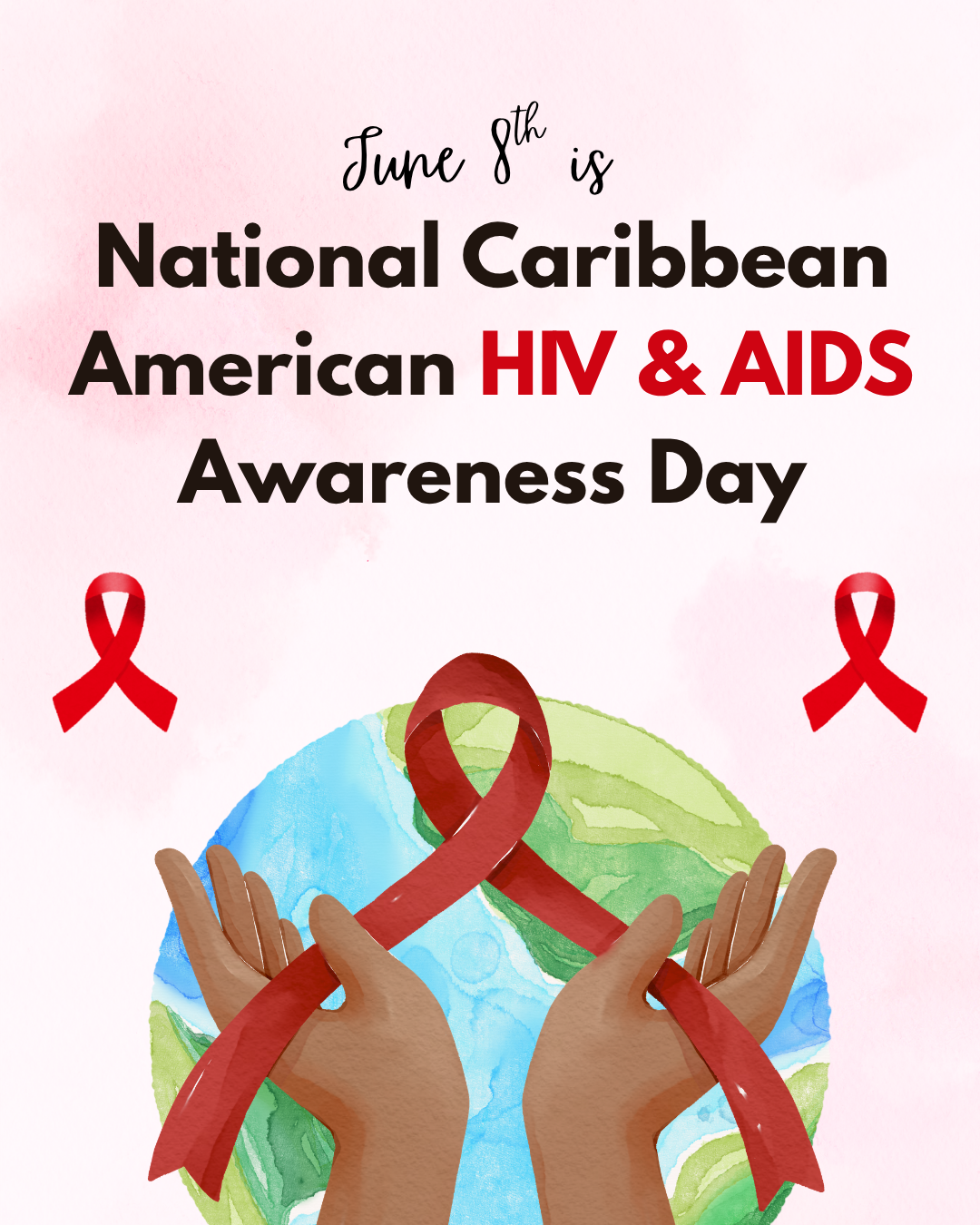
June 8: Caribbean American HIV/AIDS Awareness Day
Caribbean American communities face disproportionate HIV rates, with 1 in 20 Caribbean men living with HIV in some U.S. Cities. This day, established by the Caribbean HIV/AIDS Awareness Coalition, aims to reduce stigma and increase testing.
How to engage:
- Share CDC’s culturally tailored resources, including PrEP access for high-risk groups.
- Partner with local clinics offering free or low-cost HIV testing.
- Use #CaribbeanAIDS and #EndTheStigma, but avoid sensationalism. Example:
“HIV doesn’t discriminate—but access to care should. #CaribbeanAIDS is about breaking barriers, not stereotypes.”
June 22: National Kissing Day
Yes, kissing is a thing—and it’s good for your health. Research in Psychological Science (2010) found that couples who kiss regularly have lower stress hormones and stronger immune responses. But here’s the catch: consent is non-negotiable, and kissing can transmit infections (e.g., herpes, cold sores).

Social media strategy:
- Educate on healthy relationships and STI risks.
- Avoid romanticizing kissing without context. Example:
“A good smooch can boost your mood—but did you know it can also spread cold sores? #NationalKissingDay: Consent + safety first. 💋”
- Tag @CDCgov and @PlannedParenthood for reach.
June 27: National HIV Testing Day
This day, coordinated by the National HIV Testing Day coalition, aims to double the number of people who know their HIV status. The CDC reports that 1 in 7 people with HIV in the U.S. Are undiagnosed, delaying treatment and transmission.
Actionable tips:
- Share testing locations: Use CDC’s locator tool or HIV.gov’s directory.
- Debunk myths:
“‘I don’t have symptoms, so I’m fine.’ WRONG. HIV can be silent for years. #NHTD: Get tested today. Undetected HIV spreads.”
- Highlight PrEP: Post CDC’s PrEP guidelines with a focus on accessibility.
Beyond the Hashtags: How to Communicate Responsibly
With misinformation spreading faster than accurate health messages, here’s how to ensure your June content is evidence-based and ethical:
1. Avoid These Common Pitfalls

- Overpromising: Example ❌ “This cure works!” → Example ✅ “Clinical trials for HIV vaccines are ongoing. Here’s how you can support research.”
- Stigma: Never use language that blames individuals (e.g., “HIV is a gay disease”). Instead, focus on systemic barriers.
- Ignoring consent: Always pair sexual health messages with consent education.
2. Platform-Specific Tips
| Platform | Best Content Type | Example Post |
|---|---|---|
| Twitter/X | Threads + polls |
|
| Carousels + Stories |
|
|
| Long-form articles |
|
3. Where to Find Verified Resources
- CDC HIV/AIDS – Testing, treatment, and data.
- TheBodyPRO – HIV research and news.
- Planned Parenthood – Sexual health for all.
- AMFAR – LGBTQ+ health advocacy.
- HIV.gov – U.S. Government resources.
Frequently Asked Questions
Q: How can I make my HIV awareness posts more engaging?
A: Use real stories (with permission) and interactive elements. Example:
“Meet James, a 35-year-old who didn’t know he had HIV until a routine test. ‘I thought I was fine,’ he says. Get tested today—it’s the only way to know. #NHTD”
Partner with AVERT for global HIV narratives.

Q: Are there cultural considerations for Pride Month messaging?
A: Absolutely. For example:
- In Latin American communities, use #PrideLatino and highlight organizations like Movimiento Humano.
- In Asia-Pacific regions, focus on legal barriers to LGBTQ+ rights (e.g., HRW’s reports).
What’s Next? Stay Informed, Stay Engaged
June’s observances are just the beginning. To keep the conversation going, bookmark these resources:
- CDC Pride Updates (ongoing)
- AMFAR’s HIV Research News (monthly)
- HIV Expert Q&As (weekly)
Your turn: Which June observance will you prioritize? Share your plans in the comments—and tag @WorldTodayJournal for a chance to be featured.
Next checkpoint: July 10 marks World Population Day, focusing on sexual and reproductive health. Start planning now!