
Engaging in 90 to 120 minutes of strength training per week is linked to a significant reduction in all-cause mortality, according to a longitudinal analysis of data from the National Health Interview Survey. This volume of resistance exercise, which focuses on building muscle mass and bone density, appears to offer a specific range of longevity benefits that extend beyond those provided by cardiovascular activity alone. Research published in the British Journal of Sports Medicine indicates that individuals who meet this weekly target see lower risks of death from cardiovascular disease, cancer, and diabetes compared to those who do not perform strength-based workouts.
As a physician, I frequently discuss the “sweet spot” of physical activity with patients who are looking to improve their long-term health outcomes. While many people prioritize walking or running, the evidence increasingly suggests that resistance training is a critical pillar of healthy aging. By integrating structured muscle-strengthening activities into a weekly routine, individuals may protect their neurological and metabolic health in ways that aerobic exercise—while essential—cannot achieve in isolation.
The Relationship Between Muscle Strength and Longevity
The biological rationale for strength training goes well beyond aesthetics. Resistance exercise is a primary driver of metabolic health, as muscle tissue is highly active and helps regulate blood glucose levels. According to the World Health Organization (WHO), regular physical activity is proven to help prevent and manage noncommunicable diseases such as cardiovascular disease, cancer, and diabetes. When we strengthen our muscles, we are essentially building a metabolic reserve that helps the body withstand the physiological stresses of aging.
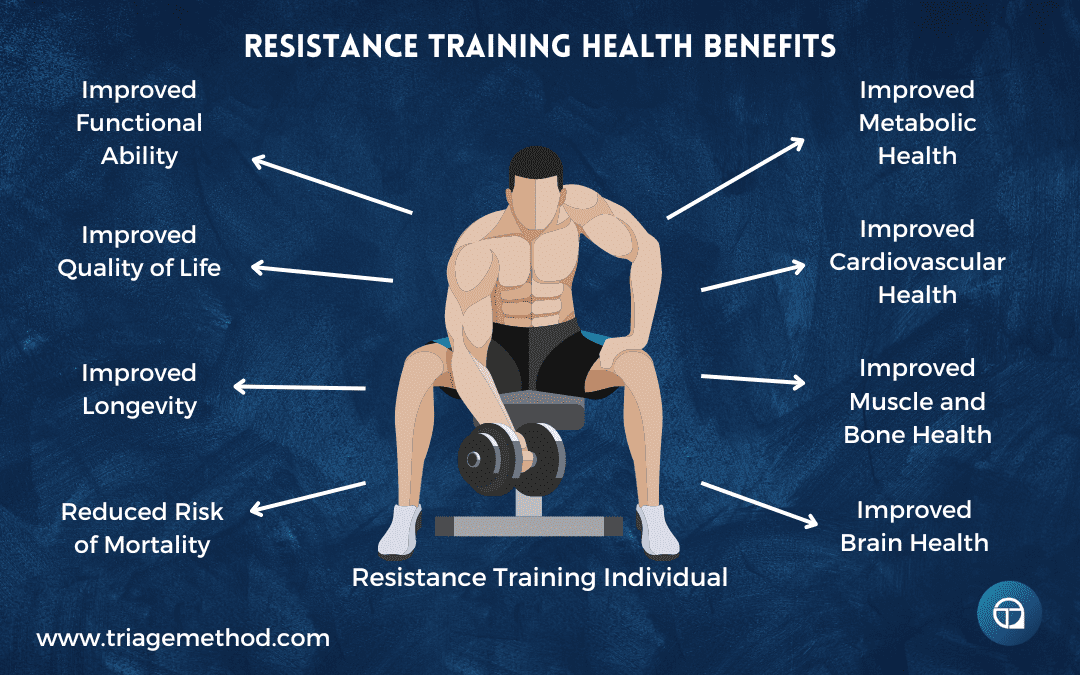
A study involving more than 147,000 participants followed over a 30-year period examined the mortality risks associated with various types of exercise. The findings suggest that the benefits of strength training are distinct. Researchers observed that the lowest risk of all-cause mortality occurred in individuals who combined strength training with aerobic physical activity. This combination appears to create a synergistic effect, where the cardiovascular improvements from aerobic work are bolstered by the structural and metabolic advantages of increased muscle mass.
Defining the Optimal Weekly Volume
For those questioning how much time is truly necessary, the data points toward a clear window of efficiency. The 90-to-120-minute range acts as a threshold; exceeding this amount may provide additional benefits, but the most significant gains in risk reduction are seen as individuals move from sedentary habits to this moderate weekly commitment. This is consistent with Physical Activity Guidelines for Americans, which recommend that adults perform muscle-strengthening activities of moderate or greater intensity that involve all major muscle groups on two or more days a week.

It is important to note that “strength training” does not necessarily require a commercial gym membership. The objective is to provide sufficient tension to the muscles to stimulate adaptation. This can be achieved through:
- Bodyweight exercises, such as push-ups, squats, and lunges.
- Resistance bands, which provide consistent tension throughout a movement.
- Free weights or weight machines, which allow for progressive overload.
- Heavy household tasks that involve digging, shoveling, or carrying loads.
Why Combining Exercise Modalities Matters
The distinction between aerobic exercise and strength training is functional, not just descriptive. Aerobic exercise—such as brisk walking, cycling, or swimming—primarily improves the efficiency of the heart and lungs. Conversely, strength training maintains the integrity of the musculoskeletal system, which is vital for preventing frailty in later life. According to the Centers for Disease Control and Prevention (CDC), muscle-strengthening activities are essential for bone health and the maintenance of functional independence as we age.
When these modalities are combined, the body benefits from a comprehensive approach to health. Aerobic exercise lowers blood pressure and improves cholesterol profiles, while strength training improves insulin sensitivity and functional mobility. For many, the challenge is not capability, but consistency. Dividing 90 to 120 minutes into three 30-to-40-minute sessions per week can make this goal more attainable for those with demanding schedules.
Practical Guidance for Starting a Routine
If you are currently inactive, the most important step is to begin slowly. Abruptly starting a high-intensity program can increase the risk of injury, particularly for those who have not trained in several years. Medical literature emphasizes the importance of progressive overload—the gradual increase of weight, frequency, or number of repetitions in your strength training routine. This ensures that the body continues to adapt without exceeding its recovery capacity.

Before beginning a new exercise regimen, it is advisable to consult with a primary care physician, especially if you have pre-existing cardiovascular or orthopedic conditions. Your doctor can help tailor a plan that aligns with your specific health status and goals. As we look toward future public health updates, expect more focus on the integration of resistance training into standard clinical recommendations for longevity and chronic disease prevention.
We invite you to share your experiences with incorporating strength training into your weekly routine in the comments section below. How have you balanced resistance work with your existing aerobic activities? We look forward to hearing your insights.
Related reading